Powder Cap Care (Asterophora lycoperdoides)

Powder Cap

About Powder Cap

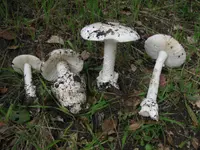
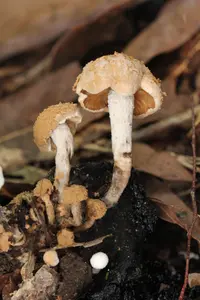
Powder cap, Asterophora lycoperdoides, is a small parasitic mushroom that grows on old, decaying fruiting bodies of other fungi, especially russulas and brittlegills. It forms powdery, grey to brown caps covered with a dense layer of spores, giving it a dusty appearance.

This species occurs mainly in temperate forests of Europe and North America, usually appearing in clusters on thoroughly rotted host mushrooms. It is not a typical houseplant or cultivated species, and attempts to care for Powder Cap are challenging because it depends on specific host fungi and advanced fungal culture conditions.

In nature it favors cool, moist, shaded forest floors with plenty of decaying organic material and reliable host populations.

Main Plant Requirements

Care Difficulty

Hard Care

Light Preference

Shade

Water Requirements

Keep Soil Moist

Temperature Preference

Cool Climate

Hardiness Zone

Unknown

Soil Texture

Organic-rich, Loamy

Soil pH

Acidic (5.5–6.5)

Soil Drainage

Moist but well-drained

Fertilization

Minimal (feed rarely)

Get Personalized Care Plan

Scan your plant to receive care tips personalized for your specific plant

Available on iOS and Android

How to Care for the Powder Cap

This fungus grows on decaying, shaded mushrooms and needs low, indirect light rather than direct sun.

  • Site Asterophora lycoperdoides in deep shade to dappled light, similar to a forest floor under dense canopy, avoiding direct midday and afternoon sun entirely.
  • Allow brief early-morning or late-afternoon filtered light only, limiting exposure to 1–2 hours to prevent desiccation of both the host mushroom and the fungus.
  • In summer, protect from any strong sun; in winter, light levels can drop further, but maintain open shade rather than bright, exposed positions.

This fungus depends on the moisture of its decaying host mushroom and surrounding substrate rather than direct watering.

  • Maintain consistently damp, not waterlogged, leaf litter or woody debris; surface should feel moist but not have standing water for more than a few hours.
  • If grown in a controlled setting, re-moisten once the top 1–2 cm of substrate feels just barely dry, using a fine mist to avoid washing away mycelium.
  • Signs of overwatering include sour, foul-smelling substrate and collapsing host mushrooms; underwatering shows as shriveling caps and brittle, overly dry surrounding material.

This species prefers cool, stable conditions that mimic shaded forest floors where host mushrooms decay.

  • Aim for 50–65°F (10–18°C) for best development, with slow, steady changes rather than rapid swings.
  • It tolerates down to about 40°F (4–5°C) but prolonged frost below 32°F (0°C) can damage both the host and the fungus.
  • Heat above 72–75°F (22–24°C), especially with low humidity, can dry substrates quickly, so increase shade and moisture buffering during warmer months.

This fungus prefers consistently moist, cool air but tolerates moderate variation if its substrate stays damp.

  • Aim for 60–80% humidity around the host mushrooms to reduce drying of the fruiting bodies.
  • Short-term drops to 40–50% are usually tolerated if the wood or host mushrooms remain moist, not wet.
  • Crumpling, cracking, or rapid shrinking of caps signals low humidity; increase moisture by lightly misting the surrounding substrate, not the caps directly.

This species develops on decaying mushrooms, so it is not grown in conventional soil but in a woody, decomposing substrate.

  • Use a substrate made of well-rotted conifer wood, old pine cones, and decaying mushroom tissue rather than any standard potting mix.
  • Keep the substrate loose and highly aerated; add coarse bark chips or wood shavings so excess moisture drains away easily.
  • Maintain a slightly acidic environment in the pH 5.0–6.5 range, which suits fungi associated with decaying conifer litter.
  • Avoid dense, peat-only mixes, standing water, and any mineral garden soil that compacts and restricts air flow around the fungal mycelium of Asterophora lycoperdoides.

This species is not naturally suited to ornamental container growing, but experimental culture in containers is possible with careful moisture control.

  • Choose a broad, shallow container that allows a wide layer of woody substrate and host mushrooms, which better mimics forest-floor spread.
  • Use a rigid, non-flexing pot material so the decomposing wood and fungal network are not disturbed when the container is moved.
  • Elevate the container on slats or mesh so air can circulate under the base, reducing prolonged saturation of the lower substrate layer.

This fungus grows on decaying, often already decomposing mushrooms and does not benefit from direct fertilizing.

Asterophora lycoperdoides does not need intentional pruning, as fruiting bodies are short-lived and decay naturally.

This species is not grown in conventional pots; focus on suitable host mushrooms rather than repotting the fungus itself.

  • Transplant only by moving colonized substrate or wood that already carries the host mushroom and fungus together.
  • Work during mild, moist weather to limit desiccation of mycelium, keeping material shaded and cool.
  • Disturb the substrate as little as possible and avoid breaking apart dense mycelial areas.
  • After moving, maintain similar moisture, shade, and host presence to reduce stress and encourage re-establishment.

Practical home propagation of Asterophora lycoperdoides is challenging because it depends on specific decaying host mushrooms.

In natural settings this fungus requires no specific winter care, as it is adapted to local seasonal cycles.

Care Tips

Select Suitable Hosts

Choose only healthy, established Russula or Lactarius fruiting bodies as hosts, since this fungus depends on decaying gilled mushrooms and will fail if the host collapses too quickly from rot or insect damage.

Control Competing Fungi

Remove heavily sporulating molds or aggressive look‑alike fungi from the rearing container, since they can outcompete Powder Cap for the limited nutrients left in the host mushroom.

Optimize Air Exchange

Provide very gentle but regular fresh‑air exchange in any propagation box by cracking the lid or using small vents, which helps limit bacterial growth and keeps the powdery spores from clumping on overly stagnant, wet surfaces.

Stage Host Decomposition

Introduce the fungus to host mushrooms that are just starting to soften rather than fully mushy, so the tissues are still firm enough to support fruiting but decomposed enough to release nutrients for growing Powder Cap.

Use Clean Tools

Disinfect knives, tweezers, and containers with 70% isopropyl alcohol before handling host fruiting bodies or spores to reduce contamination and extend the useful life of each culture.

Common Pests and Diseases

Substrate desiccation

Symptoms include rapid drying and cracking of the decaying host mushroom, followed by shriveling and cessation of growth in the powder cap fruiting bodies. This condition occurs when humidity is too low or airflow is too strong around the colonized host.

Solution

Maintain very stable high humidity of 85–95% with gentle, indirect airflow, and avoid allowing the host russula or lactarius fruit body to dry out between misting cycles. Use a humidity-controlled fruiting chamber, mist the chamber walls rather than the fungus directly, and replace overly dried host mushrooms with fresh ones to restore a suitable substrate for growing Powder Cap.

Host mold overgrowth

This disease appears as fast-spreading white, gray, green, or black fuzzy mold on the decaying russula or lactarius host, often smothering the powdery caps and halting their development. This problem arises when competitive mold spores colonize the nutrient-rich, decomposing mushroom tissue before or along with the powder cap.

Solution

Remove and discard any host mushrooms with aggressive mold growth, including attached powder cap structures, to limit spore spread. Improve hygiene by sterilizing or pressure-cooking support materials, increasing fresh air exchange slightly, and introducing only clean, recently collected host mushrooms to favor Asterophora lycoperdoides plant care over competitor molds.

Substrate bacterial slime

Symptoms include wet, slimy, foul-smelling patches on the host mushroom surface, often yellowish or translucent, with nearby powder cap structures becoming discolored and collapsing. This issue develops when the host fruit body stays waterlogged with poor airflow and warm temperatures, favoring bacterial growth.

Solution

Discard excessively slimy or foul-smelling host mushrooms promptly and reduce free water on surfaces by using finer misting and better drainage. Keep the fruiting environment clean, slightly increase airflow without causing drying, and use firmer, not water-soaked, host russula or lactarius mushrooms as substrate.

Fungus gnats

These insects are small, dark flying gnats whose larvae tunnel into moist, decaying host mushrooms, leading to pitted, soft tissue and weakened powder cap fruiting bodies. This pest thrives in constantly wet, organic substrates with limited airflow.

Solution

Use fine mesh or fitted lids on fruiting containers, yellow sticky traps to capture adults, and allow the surface of any casing or support material to approach just slightly less wet conditions while keeping humidity high. Remove and discard heavily infested host mushrooms and refresh the setup with clean materials to break the life cycle.

Interesting Facts

Obligate mushroom parasite

This fungus does not decompose wood or leaf litter directly but grows almost exclusively on decaying fruitbodies of certain Russula and Lactarius mushrooms, using them as both substrate and food source.

Powdery spore cap

Mature fruitbodies develop a dense, flour-like coating of asexual spores on the cap surface, giving a dusted appearance that inspired the common name powder cap.

Late-season fruiting

It typically appears late in the fruiting season, often after its Russula or Lactarius hosts have begun to decay, and can persist in cool, moist autumn conditions when many other mushroom species are already gone.

Botan icon

Did you know?

The asexual spores that form the powdery coating on the caps are produced in large numbers on specialized short stalks called synnemata, an unusual reproductive adaptation among gilled mushrooms that allows this species to rapidly exploit its already short-lived host fruitbodies.

FAQs about Powder Cap

This fungus develops slowly compared with many common mushrooms. Fruiting bodies usually appear only after the host mushroom is well decayed, and they remain small. Growth rate depends strongly on moisture, temperature, and the condition of the host.

Grow Healthy Plants with Botan Care

Keep your plants happy and healthy with plant identification, disease detection, and easy care guidance.

Botan plant care app — identify plants on mobile

Explore More Plants