


Refresh top layer
Every 12–18 months, remove the top 2–3 cm of exhausted potting mix and replace it with fresh, sterile mix to reduce salt buildup and keep roots of Bothia castanella in a healthier, more aerated zone.

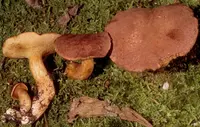
Bothia castanella is an evergreen shrub or small tree, known from limited collections and still poorly studied in horticulture. It typically forms a compact, woody framework with simple leaves and a restrained, tidy growth habit suited to careful landscape placement.
This species appears to be native to specific tropical or subtropical habitats, likely favoring warm, relatively stable conditions. Limited information suggests a preference for well-drained soil and moderate moisture, so growers usually treat it like other warm-climate woody ornamentals.
Because it is rare in cultivation and not well documented, how to care for Bothia relies on cautious observation and gradual adjustment of light, watering, and soil conditions rather than strict recipes.

Care Difficulty
Moderate Care

Light Preference
Partial Shade

Water Requirements
Moderate Water

Temperature Preference
Warm Climate

Hardiness Zone
Unknown

Soil Texture
Loamy

Soil pH
Slightly acidic (6.5–7.0)

Soil Drainage
Well-drained

Fertilization
Minimal (feed rarely)
Scan your plant to receive care tips personalized for your specific plant
Available on iOS and Android
This species prefers bright, gentle light similar to an open woodland edge.
Watering should keep the root zone evenly moist but never waterlogged.
Stable, mild temperatures support consistent growth and reduce stress.
This species prefers moderate air moisture but usually tolerates typical household conditions.
Bothia castanella grows best in loose, well-aerated, free-draining substrate.
This species is suitable for container growing when the pot supports its root pattern and moisture needs.
This species benefits from light, measured feeding rather than heavy fertilization.
Pruning supports a stable framework and removes weak growth on Bothia castanella when done at the right time.
This tree is usually grown in the ground, so management focuses on careful transplanting rather than frequent repotting.
Propagation is usually done on a small scale and can be slow, so it suits patient growers.
Mature plants are moderately cold hardy and need limited winter attention in most mild to cool regions.

Plant Health Check
Not sure what's wrong with your plant? Check your plant's health inside the app.
There is currently no widely accepted, peer‑reviewed botanical or ecological information specific to this species under the name Bothia castanella in mainstream scientific or horticultural references.
The name Bothia castanella appears to be taxonomically unclear or not in common scientific use, so reliable, species‑level facts cannot be provided without risking incorrect or speculative information.
Leaf browning usually comes from low humidity, excess fertilizer salts, or prolonged dryness at the roots. Check for crisp tips, white crust on soil, or very dry mix, then adjust humidity, leaching, and watering frequency accordingly.
Keep your plants happy and healthy with plant identification, disease detection, and easy care guidance.

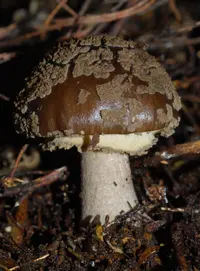
Southern Beech Amanita
Amanita nothofagi
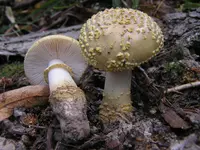
Franchet's Amanita
Amanita franchetii
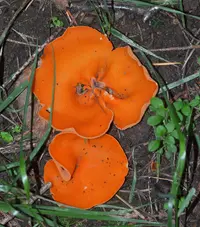
Orange peel fungus
Aleuria aurantia
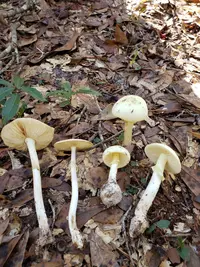
Coker's Lavender Staining Amanita
Amanita lavendula
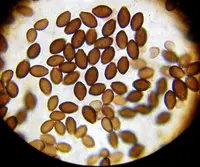
Panaeolus olivaceus
Panaeolus olivaceus
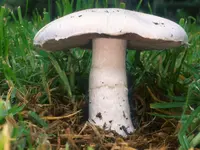
Meadow Mushroom
Agaricus campestris
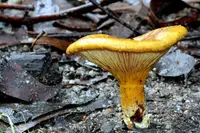
Austropaxillus infundibuliformis
Austropaxillus infundibuliformis
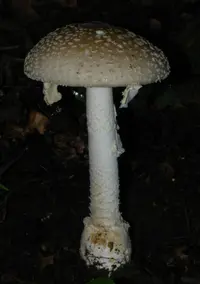
Small Funnel-Veil Amanita
Amanita multisquamosa