Panaeolus olivaceus Care

Panaeolus olivaceus

About Panaeolus olivaceus

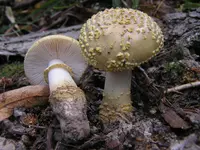
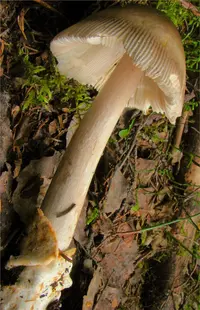
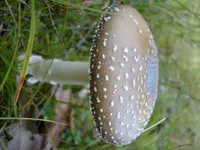
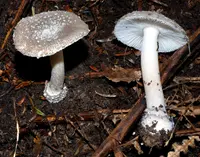
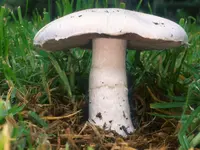
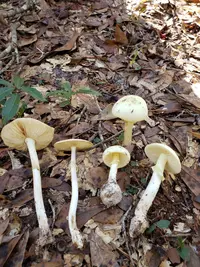
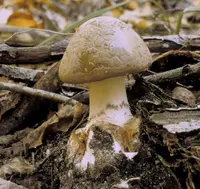
Panaeolus olivaceus is not a plant but a small, dark-spored mushroom that often appears in grassy areas, lawns, and pasture soils rich in organic matter. It typically forms thin, brownish to olive caps on slender stems, usually in scattered clusters rather than dense groups.

This species is saprotrophic, meaning it feeds on decaying organic material and plays a role in nutrient recycling. It can be difficult to identify accurately, as it closely resembles several other Panaeolus species.

Because of this identification challenge and its potential for confusion with toxic look-alikes, it is not recommended for casual collection or home cultivation. Anyone wanting to care for Panaeolus olivaceus should focus mainly on recognizing and monitoring it rather than attempting to grow it intentionally.

Main Plant Requirements

Care Difficulty

Hard Care

Light Preference

Partial Shade

Water Requirements

Keep Soil Moist

Temperature Preference

Warm Climate

Hardiness Zone

Unknown

Soil Texture

Loamy, Organic-rich

Soil pH

Acidic (5.5–6.5)

Soil Drainage

Moist but well-drained

Fertilization

Minimal (feed rarely)

Get Personalized Care Plan

Scan your plant to receive care tips personalized for your specific plant

Available on iOS and Android

How to Care for the Panaeolus olivaceus

This dung-loving mushroom prefers gentle, indirect natural light rather than direct, prolonged sun.

  • Provide bright, indirect light or light dappled shade for 2–4 hours, avoiding harsh midday sun that can dry the substrate and damage developing caps.
  • Site Panaeolus olivaceus where it receives early morning or late-afternoon light, with partial shade during the strongest sun of the day.
  • In summer, protect from reflective heat and full afternoon exposure; in cooler months, ensure the fruiting area is not in deep, continuous shade.

Moisture management focuses on keeping the substrate evenly damp, not saturated.

  • Maintain the substrate slightly to moderately moist; the surface should feel damp but not glossy or puddled when touched.
  • Allow the top 0.5–1 cm of substrate to lose its wet sheen before gently misting; deep pooling or sour odor indicates overwatering and poor aeration.
  • In warm, dry weather increase light misting frequency, while in cool, humid conditions reduce watering to prevent anaerobic, waterlogged conditions around the mycelium.

Stable, mild temperatures support reliable fruiting and healthy mycelial growth.

  • Aim for 65–77°F (18–25°C) for active growth, a range that balances metabolic activity and moisture retention in the substrate.
  • Avoid temperatures below 50°F (10°C), since prolonged cold slows or stalls development and increases the risk of decay before fruiting.
  • Above about 82–86°F (28–30°C), monitor closely; excess heat combined with low humidity can dry the substrate and stress the organism, especially in exposed sites.

Humidity plays a minor role compared to substrate moisture for Panaeolus olivaceus.

This fungus develops best on consistently moist, well-aerated organic substrate rather than typical garden soil.

  • Use a loose mix of aged manure, straw, and finely shredded compost to provide high organic content and an open structure.
  • Ensure rapid drainage so excess water runs off quickly, leaving the substrate damp but never waterlogged or compacted.
  • Keep pH roughly neutral to slightly alkaline by blending in a small amount of agricultural lime if the compost is very acidic.
  • Avoid dense clay, peat-only mixes, or substrates that form a crust, since they reduce oxygen around the developing mycelium.

This species is generally not suitable for long-term or decorative container growing.

This wild saprotrophic fungus is adapted to low-nutrient conditions and does not benefit from routine fertilization in cultivation.

As a short-lived mushroom-forming fungus, Panaeolus olivaceus does not require pruning in the horticultural sense.

Cultivation of this species uses prepared substrates rather than true pot culture, so handling focuses on renewing the growing medium rather than classic repotting.

  • Renew bulk substrate once nutrient depletion leads to smaller, sparse fruiting bodies or contamination appears dominant.
  • Plan any transfer of colonized substrate during active mycelial growth, avoiding very high or very low temperatures.
  • Move blocks gently, keeping the mycelium intact and limiting vibration or compression to reduce stress.
  • Maintain similar moisture, aeration, and temperature conditions in the new container or tray to prevent shock.

Reproduction of this fungus relies on controlled spore work and sterile technique rather than standard plant-style propagation methods.

Outdoor occurrences decline naturally with cold, and this fungus is not managed like a hardy garden perennial in winter.

Care Tips

Use clean tools

Disinfect knives, scalpels, and tweezers with 70% isopropyl alcohol before cutting substrate or handling mycelium to reduce contamination by mold and bacteria when growing Panaeolus olivaceus.

Control fresh air

Provide brief, frequent air exchanges in the fruiting area using a small fan set on low or by manually fanning, but avoid direct airflow on the substrate surface to limit drying while preventing carbon dioxide buildup.

Monitor surface moisture

Check the substrate surface visually several times a day and mist lightly only when it looks dull and matte, avoiding visible pools of water that can cause aborts and bacterial blotch on developing caps.

Use fine misting

Choose a sprayer that produces an extra-fine mist and spray above the substrate so droplets fall like fog, which maintains surface humidity without bruising or damaging delicate pins and caps.

Harvest at veil break

Harvest mushrooms as the partial veil just begins to tear by gently twisting and lifting at the base, which improves spore management, reduces rot risk on the substrate, and encourages subsequent flushes.

Everything About Panaeolus olivaceus

Common Pests and Diseases

Fungus gnat larvae

This pest lives in very moist substrates and can colonize trays or containers where Panaeolus olivaceus is being fruited. Symptoms include tiny black adult gnats flying around and larvae feeding on fine mycelium and organic debris in the surface layer.

Solution

Reduce standing water and avoid over-saturating the fruiting substrate, then use yellow sticky traps to catch adults and a biological control such as Bacillus thuringiensis israelensis (BTi) in waterings to reduce larvae. Cover air inlets with fine mesh and promptly remove spent or heavily infested substrate to break the breeding cycle.

Mite infestation

These insects (actually arachnids) can invade culture containers or monotubs, grazing on mycelium, spores, and developing fruiting bodies. Symptoms include poor pin formation, slowed growth, and tiny moving white or reddish dots on the surface or under caps.

Solution

Discard heavily infested cultures and clean all equipment, shelving, and work areas with hot soapy water followed by 70% isopropyl alcohol. Improve hygiene by pressure-sterilizing or thoroughly pasteurizing substrates, using tight-fitting filters on gas-exchange holes, and keeping the grow area free of spilled grain or substrate that can harbor mites.

Green mold (Trichoderma)

This disease is caused by aggressive Trichoderma fungi that invade the substrate or casing layer, outcompeting Panaeolus olivaceus mycelium. Symptoms include rapidly spreading bright white mycelium that soon turns patchy, dull, or vivid green as spores form, often accompanied by stalled mushroom growth.

Solution

Isolate and remove contaminated trays or blocks in sealed bags to prevent spore spread, and do not open them indoors. For future cycles, improve sterile technique, fully pasteurize or sterilize substrates, lower spore loads by cleaning the grow room between runs, and avoid reusing any tools or liners that contacted green mold without thorough disinfection.

Bacterial blotch

This disease is usually caused by Pseudomonas species thriving on persistently wet caps and poorly ventilated conditions. Symptoms include slimy, greasy-looking yellow to brown spots on mushroom caps and sometimes a sour or unpleasant odor.

Solution

Reduce or stop direct misting onto caps, instead humidify the air and allow surfaces to dry slightly between cycles while keeping overall humidity high. Increase fresh air exchange, remove and discard blotched mushrooms, clean surfaces with a mild disinfectant, and avoid using contaminated water sources for misting.

Cobweb mold

This disease is caused by fast-growing Cladobotryum species that produce very thin, greyish web-like growth over casing layers and pins. Symptoms include soft, cottony mycelium that collapses mushrooms, often turning light pink or tan as spores develop.

Solution

At first signs, carefully remove affected areas with a margin of clean substrate and seal for disposal, then increase fresh air exchange and lower surface moisture to slow spread. In future grows, improve hygiene and air filtration, avoid over-misting, and promptly discard any tray where cobweb mold returns or covers a large portion of the surface despite corrective steps.

Interesting Facts

Olive-brown spore print

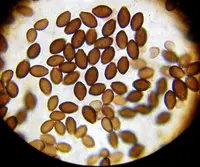
This species produces a distinctly olive-brown to dark brown spore print, which is an important diagnostic feature separating it from many similar, non-psilocybin Panaeolus species.

Speckled gill pattern

Its gills show a characteristic mottled or speckled appearance as the dark spores mature in irregular patches, a hallmark of Panaeolus mushrooms that helps field identification when combined with habitat and spore print color.

Nitrogen-rich habitat specialist

The fungus typically fruits on well-decayed herbivore dung, manured soil, and heavily fertilized lawns or pastures, reflecting its adaptation to nitrogen-rich substrates and its role in decomposing animal waste.

FAQs about Panaeolus olivaceus

This mushroom is not recommended for consumption. Identification within the Panaeolus group is difficult, and misidentification risks exposure to toxic or psychoactive compounds. For safety, treat it as inedible and avoid eating wild specimens.

Grow Healthy Plants with Botan Care

Keep your plants happy and healthy with plant identification, disease detection, and easy care guidance.

Botan plant care app — identify plants on mobile

Explore More Plants