Sulphur Tuft Care (Hypholoma fasciculare)

Also known as: sulfur tuft
Sulphur Tuft

About Sulphur Tuft

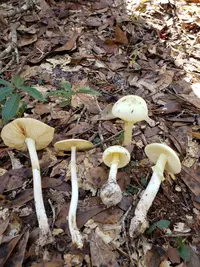
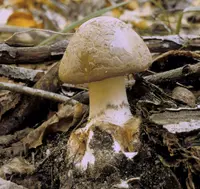
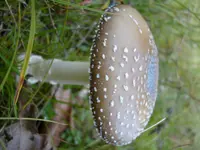
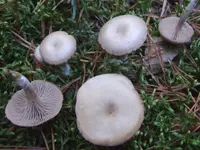
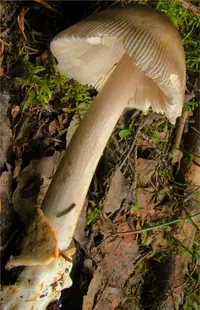
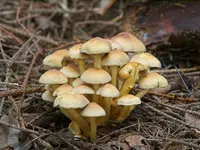
Sulphur tuft, Hypholoma fasciculare, is a wood-decaying mushroom rather than a leafy houseplant. It forms dense clusters of small, bright yellow to greenish caps with slender stems, often on dead logs or buried wood. In nature it commonly appears in forests, parks, and woodlands across temperate regions. The species is known for its bitter, inedible, and toxic flesh. It is not typically recommended for home cultivation, as it requires consistently moist, woody substrates and cool, shaded conditions that are hard to maintain indoors. Most home gardeners focus on identification and safety rather than learning how to care for Sulphur Tuft.

Main Plant Requirements

Care Difficulty

Hard Care

Light Preference

Shade

Water Requirements

Keep Soil Moist

Temperature Preference

Cool Climate

Hardiness Zone

Unknown

Soil Texture

Loamy, Organic-rich, Peaty

Soil pH

Acidic (5.5–6.5), Slightly acidic (6.5–7.0)

Soil Drainage

Moist but well-drained

Fertilization

Minimal (feed rarely)

Get Personalized Care Plan

Scan your plant to receive care tips personalized for your specific plant

Available on iOS and Android

How to Care for the Sulphur Tuft

This wood-rotting fungus prefers cool, shaded woodland conditions rather than strong direct sun.

  • Provide bright dappled shade or full shade with brief early-morning sun; direct midday or afternoon sun for more than 1–2 hours can dry substrates and inhibit fruiting.
  • Site Sulphur Tuft on the shaded side of logs, stumps, or buried wood, where surrounding vegetation filters light through most of the day.
  • In summer, protect colonized wood from intense exposure; in winter, low-angle light is usually acceptable if moisture is maintained and surfaces do not dry out.

This fungus depends on consistently moist, not waterlogged, woody substrate to form healthy fruiting clusters.

  • Ensure colonized logs or stumps stay evenly moist; if exposed, surface wood should feel damp but not slimy, avoiding standing water around the base.
  • Allow the outer 2–5 cm of surrounding soil or mulch to begin to lose surface sheen before re-moistening, using gentle soaking rather than frequent light splashes.
  • Watch for shriveling, cracking caps as a sign of drying, and for sour odor or soft, collapsing wood as an indication of prolonged waterlogging affecting Hypholoma fasciculare.

This species fruits best in cool to mild conditions typical of temperate woodlands.

  • Aim for 45–65°F (7–18°C) during main fruiting periods, as cooler temperatures support denser clusters and more sustained development.
  • Colonized wood often survives down to about 25°F (−4°C), but hard, prolonged freezes below this can kill exposed mycelium, especially in thin branches.
  • Temperatures above 75°F (24°C), particularly if combined with dry air and sun, slow or stop fruiting; provide shade and moisture during heat waves to protect the mycelium.

This wood-decaying mushroom tolerates a wide humidity range but fruits best in consistently moist, not soggy, conditions.

  • Aim for 70–90% humidity around developing fruiting bodies, especially in sheltered or cultivation setups.
  • Dry air causes caps to crack, edges to curl, and pins (young mushrooms) to abort before maturing.
  • Increase humidity by misting nearby surfaces, using a humid chamber or tent, and keeping the substrate evenly moist without standing water.

This species grows on decaying wood rather than true soil, so the key is providing a consistently moist, well-aerated lignin-rich substrate.

  • Use a substrate of hardwood chips, sawdust, or well-rotted logs, optionally blended with some leaf litter or coarse bark for structure.
  • Ensure rapid drainage so free water does not pool; excess water encourages anaerobic (oxygen-poor) pockets and bacterial rot.
  • Keep the substrate slightly acidic to neutral, roughly pH 5.5–7.0, which supports balanced fungal enzyme activity.
  • For Hypholoma fasciculare, avoid compacted mineral soil, heavy clay, or pure garden compost, which retain too much water and restrict oxygen.

This fungus can be grown in containers if they mimic a moist, well-aerated wood-based habitat.

  • Choose a deep, rigid container that holds a substantial volume of wood-based substrate so it does not dry out rapidly between waterings.
  • Use side or bottom ventilation holes above the drainage area to keep the woody substrate oxygenated while still holding moisture.
  • Stabilize the container with weight or a broad base, as dense colonized wood and clustered fruiting bodies can make tall pots prone to tipping in wind.

Hypholoma fasciculare is a saprophytic fungus that usually needs no fertilizer when grown on fresh, nutrient-rich wood or woody debris.

Pruning Hypholoma fasciculare is generally unnecessary, as the fungus completes short-lived flushes on its own substrate.

This species is typically managed by moving colonized wood rather than repotting in standard containers.

  • Transplant only when the log or stump is exhausted, growth declines, or new fruiting is desired elsewhere.
  • Best timing is during cool, moist seasons, keeping colonized wood shaded and moist during the move.
  • Shift the entire colonized log or block without breaking it apart to limit disturbance of the mycelium network.
  • After transplanting, maintain steady moisture around the wood and avoid direct sun to reduce stress on the mycelium.

Hypholoma fasciculare cultivation relies on expanding mycelium rather than traditional plant-style propagation.

  • Use spore inoculation or mycelium spawn on fresh hardwood logs, chips, or prepared sterile substrate.
  • Late spring to early fall works well, provided temperatures stay cool to mild and moisture is stable.
  • Drill holes or open pockets in the wood, insert spawn, then seal with wax or tape to retain humidity.
  • Keep inoculated material shaded, evenly moist, and well ventilated to encourage strong mycelium colonization.

Sulphur Tuft is quite cold hardy in temperate climates and usually requires minimal winter care outdoors.

  • Established colonies on logs or stumps generally tolerate freezing and snow without extra protection.
  • In exposed sites, a light mulch over the wood base can moderate temperature swings and retain moisture.
  • Container-grown cultures can be moved to an unheated but frost-free shed or garage to prevent substrate desiccation.

Care Tips

Use fresh substrate

When establishing a culture, always inoculate freshly cut, disease-free hardwood logs or chips, since old or decomposing wood often carries competing fungi that will quickly overwhelm Sulphur Tuft.

Control competitors

Before introducing spawn, heat-treat small wood pieces in hot water (70–80°C for 30–60 minutes) or steam if possible, to reduce mold and other fungal competitors and give this species a head start.

Optimize log size

Choose logs roughly 10–20 cm in diameter and 30–60 cm long, as this size balances enough nutrient reserve for multiple flushes while still allowing the wood to colonize and fruit in a reasonable timeframe.

Maintain shade cover

Site inoculated logs or beds in stable shade using shade cloth or placement under shrubs to prevent direct sun from overheating the substrate and drying out the mycelium.

Seasonal moisture checks

In dry or windy periods, check colonized wood frequently and rehydrate by soaking logs in clean water for 12–24 hours when they feel very light, which can help trigger fruiting and support growing Sulphur Tuft over several seasons.

Common Pests and Diseases

Fungus gnat larvae

This pest primarily affects cultivated mycelium and mushroom blocks, where larvae tunnel through substrate and feed on developing fruiting bodies. Symptoms include slow pin development, deformed caps, and small white maggots visible in or on the substrate.

Solution

Use fine insect-proof netting on vents, sticky traps near grow containers, and avoid over‑wet substrate; allow the surface to dry slightly between misting while maintaining internal humidity. In controlled setups for Hypholoma fasciculare care, introduce biological controls such as Bacillus thuringiensis israelensis (Bti) to the moist substrate according to label directions to reduce larval populations.

Mite infestation

This pest is attracted to high-humidity grow spaces and can colonize spawn bags, trays, and fruiting blocks. Symptoms include pale, patchy mycelium, reduced fruiting, dusty or moving specks on surfaces, and sometimes pitted or scarred caps.

Solution

Quarantine affected blocks or bags and discard heavily infested material to prevent spread. Improve cleanliness of the growing area, reduce organic debris, and use tight-fitting lids or filtered air inlets; in larger or professional setups, some growers use heat treatment of empty rooms and racks and then reintroduce only clean spawn.

Green mold (Trichoderma)

This disease arises when competitor mold spores colonize the same substrate, especially if sterilization or pasteurization was incomplete. Symptoms include white cottony patches that quickly turn bright to dark green, often accompanied by stalled or overtaken mushroom mycelium.

Solution

Remove and discard contaminated blocks, trays, or bags as soon as green patches appear, taking care not to spread spores in the grow room. For future cycles, improve substrate sterilization or pasteurization, reduce handling after inoculation, and maintain good air filtration and cleanliness around the incubation and fruiting area.

Bacterial blotch

This disease develops under conditions of very high surface moisture and poor air movement, leading to bacterial growth on caps. Symptoms include slimy, greasy, or dark spots on caps, sometimes with a sour odor and soft tissue breakdown.

Solution

Increase fresh air exchange and avoid leaving standing water or heavy condensation on fruiting bodies; use finer misting and shorter intervals, allowing surfaces to dry slightly between sprays. Remove and discard badly affected clusters, then clean interior surfaces, tools, and trays with a mild disinfectant before the next flush.

Mycelial contamination by competitor fungi

This disease occurs when other saprophytic fungi colonize the same log, stump, or artificial substrate, competing with Hypholoma fasciculare mycelium. Symptoms include mixed mycelial textures and colors, failure of expected fruiting, or unexpected different mushrooms appearing from the same substrate.

Solution

When growing Hypholoma fasciculare on logs, use fresh, properly drilled and plugged wood and seal inoculation points with wax to favor target mycelium. In artificial substrates, discard batches showing strong off-type mycelium, work in as clean a space as possible, and store inoculated materials away from outdoor spores and unsterilized organic waste.

Interesting Facts

Distinct bitter warning

This species has a strongly bitter taste and bright sulfur-yellow caps, traits believed to act as warning signals to deter animals from eating its toxic flesh.

Wood-decay specialist

It is a common saprotrophic fungus on dead or dying hardwood and conifer stumps, where it helps decompose lignin-rich wood and recycle nutrients back into forest soils.

Toxic look-alike risk

Its dense clusters on stumps and log edges often resemble edible species such as some Hypholoma and Kuehneromyces mushrooms, which makes accurate identification critical due to its toxicity.

Botan icon

Did you know?

This fungus often fruits in large, tightly packed clusters that can repeatedly emerge from the same buried wood source for several seasons, as long as there is enough dead wood remaining for its underground mycelium to digest.

FAQs about Sulphur Tuft

This species is considered poisonous and should not be eaten. It contains bitter-tasting toxins that can cause serious gastrointestinal upset. Foragers sometimes confuse it with edible lookalikes, so any small yellow tufted woodland mushrooms should be avoided.

Grow Healthy Plants with Botan Care

Keep your plants happy and healthy with plant identification, disease detection, and easy care guidance.

Botan plant care app — identify plants on mobile

Explore More Plants