Austropaxillus infundibuliformis Care

Austropaxillus infundibuliformis

About Austropaxillus infundibuliformis

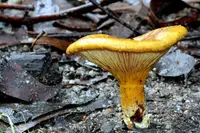
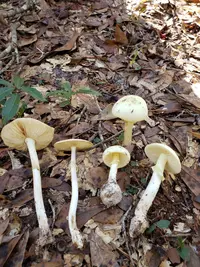
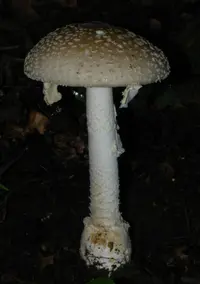
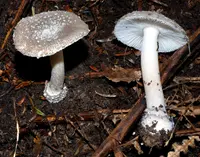
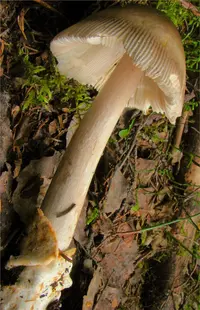
Austropaxillus infundibuliformis is a funnel-shaped mushroom, not a typical houseplant. It forms sturdy, often large caps with a central depression and a thick stem. The cap surface is usually brownish, with gill-like folds running down the stem. It appears in groups on the ground rather than on wood.

This species is native to southern regions, particularly in Australia and New Zealand, where it grows in association with trees in forested areas. It tends to prefer moist, cool to mild conditions and well-drained, organic-rich soil. For those studying how to care for Austropaxillus infundibuliformis in cultivation, the main challenges are replicating its natural tree partnership and forest floor environment.


Main Plant Requirements

Care Difficulty

Moderate Care

Light Preference

Partial Shade

Water Requirements

Moderate Water

Temperature Preference

Cool Climate

Hardiness Zone

Unknown

Soil Texture

Loamy, Sandy, Organic-rich

Soil pH

Acidic (5.5–6.5)

Soil Drainage

Moist but well-drained

Fertilization

Minimal (feed rarely)

Get Personalized Care Plan

Scan your plant to receive care tips personalized for your specific plant

Available on iOS and Android

How to Care for the Austropaxillus infundibuliformis

This ectomycorrhizal fungus prefers cool, shaded forest conditions with only brief, gentle sun exposure.

  • Aim for bright shade or dappled light under trees, with at most 1–2 hours of low-intensity morning sun and no direct afternoon sun to prevent drying of fruiting sites.
  • Choose locations with continuous canopy cover or filtered light, mimicking eucalypt or mixed woodland where Austropaxillus infundibuliformis is typically found.
  • In summer, protect sites from strong sun and hot, exposed edges; in cooler months, slightly more open canopy is acceptable as long as the soil surface does not bake or crack.

Moist, well-drained forest soil is essential for reliable fruiting and mycelium health.

  • Maintain soil that feels consistently moist 3–5 cm down but never saturated; allow the surface to lose its gloss before adding water if you are supplementing rainfall.
  • Improve drainage with leaf litter and coarse organic matter so water does not pool for more than a few hours, reducing the risk of root-associated rot and anaerobic conditions.
  • In dry or hot seasons, increase watering frequency slightly, watching for shrinking, leathery caps or cracked soil as signs of drought stress, and for sour smell or slimy patches as signs of overwatering.

This species performs best in cool to mild conditions typical of sheltered forest floors.

  • Target an active growth range of 50–68°F (10–20°C), similar to cool, moist woodland weather that encourages stable mycelial activity.
  • Avoid sustained cold below 32°F (0°C), which can damage exposed fruiting bodies, although buried mycelium often tolerates short light frosts if soil stays insulated with litter.
  • Limit exposure to temperatures above 82°F (28°C); in hot spells, deeper mulch and shade help keep the upper 5–10 cm of soil cooler and prevent desiccation of developing fruiting bodies.

This mycorrhizal fungus does not require controlled air humidity for normal development in cultivation trials.

This ectomycorrhizal mushroom relies on suitable host trees and well-prepared ground rather than a conventional potting substrate.

  • Use a loose, humus-rich, slightly sandy loam that mimics forest soil and allows easy movement of air and water.
  • Ensure rapid drainage by incorporating coarse sand, fine gravel, or grit so water does not stand around tree roots.
  • Maintain a slightly acidic pH around 5.0–6.5, avoiding liming, which can suppress associated fungal activity.
  • Avoid compacted, waterlogged, or heavily fertilized ground, which reduces aeration and can damage both host roots and fungal mycelium.

This species is not suitable for conventional container growing because it depends on ectomycorrhizal association with living tree roots.

This ectomycorrhizal fungus gains nutrients through its tree partners, so Austropaxillus infundibuliformis usually needs no direct fertilization.

Pruning is not a typical practice, as this species is a wild, ground-dwelling fungus rather than a garden shrub or houseplant.

This species is not suitable for conventional repotting, since it depends on living host tree roots in soil rather than container culture.

  • Avoid attempting to grow Austropaxillus infundibuliformis in pots, as it requires a stable ectomycorrhizal association with suitable trees.
  • If moving soil, keep disturbance minimal to avoid damaging the host tree root system and fungal mycelium network.
  • Transplanting fruiting bodies alone is ineffective because the main organism is the hidden mycelium in the soil.
  • Allow natural colonization to occur in undisturbed, compatible forest or woodland settings instead of forced transplanting.

Reproducing this ectomycorrhizal fungus artificially is difficult and not typically attempted by home growers.

In its natural habitat this species is adapted to local seasonal changes and generally needs no targeted winter care.

Care Tips

Host tree mapping

Record exactly which eucalyptus or other myrtaceous trees the fungi fruit under each season, as this helps track the stability of the mycorrhizal partnership and shows where conditions are best for future monitoring and spore collection.

Spore print scheduling

Take spore prints from several mature caps collected over 2–3 weeks in peak season, then label and store them cool and dry so you can compare year-to-year color, density, and timing as an indicator of local population health.

Minimal disturbance paths

Flag or mark narrow access paths through fruiting sites and stick to them to avoid compacting soil and damaging the fine root–fungus interface that supports long-term colony vigor.

Microhabitat notes

Note canopy density, litter depth, and nearby shrub species each time fruitbodies appear, since reproducing these microhabitat conditions in adjacent areas is more useful than adjusting basic factors like watering when growing Austropaxillus infundibuliformis.

Targeted photo records

Photograph the same clumps from the same angle every few days through a season and store the images with dates and weather notes to build a simple phenology record that reveals how rainfall and temperature shifts affect fruiting patterns over time.

Common Pests and Diseases

Fungal parasitism

This disease involves overgrowth of competing soil or wood-decay fungi on the same substrate, which can suppress or distort fruiting bodies. Symptoms include poorly formed caps, shortened stems, and rapid decay of mushrooms.

Solution

Remove heavily colonized, decaying wood or litter and replace with fresh, well-seasoned eucalyptus debris to reduce competing fungi, and avoid overwatering or constantly saturated substrates that favor aggressive molds. When exploring Austropaxillus infundibuliformis care instructions in cultivation or observation settings, maintain good airflow around fruiting areas and promptly discard misshapen or rapidly molding sporocarps away from the site.

Mushroom fly larvae

This pest consists of small fly larvae (maggots) that tunnel into developing fruiting bodies. Symptoms include soft, water-soaked flesh, internal tunnels, and accelerated collapse of caps.

Solution

Collect and remove infested mushrooms as soon as damage is seen to break the life cycle, and avoid leaving overmature or damaged sporocarps on site. In managed beds, use fine mesh covers over fruiting areas during peak fly activity and maintain clean surrounding litter to reduce egg-laying sites.

Slugs and snails

These insects and mollusks feed on young and mature fruiting bodies, leaving irregular holes, shredded margins, and slime trails. Symptoms include missing sections of caps overnight and rapid loss of harvestable tissue.

Solution

Handpick slugs and snails at dusk or early morning and remove nearby hiding places such as boards, dense debris, and overturned pots. In cultivated or monitored patches, use copper barriers, rough mineral rings (such as sharp sand or diatomaceous earth kept dry), or targeted iron phosphate baits placed away from non-target wildlife.

Bacterial blotch

This disease causes greasy, discolored spots or streaks on caps and stems, often under persistently wet conditions. Symptoms include yellow-brown or dark patches that feel slimy and may spread across crowded fruiting bodies.

Solution

Improve air circulation around the fruiting area and avoid prolonged surface wetness by using gentler, less frequent watering that does not leave standing droplets on caps. Remove and discard affected mushrooms promptly and clean tools, trays, or supports with a mild disinfectant between uses to reduce bacterial inoculum.

Interesting Facts

Southern beech associate

This fungus forms ectomycorrhizal partnerships with Nothofagus (southern beech) trees in Australasia, exchanging mineral nutrients for sugars from the tree roots and helping the host tolerate nutrient-poor soils.

Distinct funnel-shaped cap

Mature fruiting bodies typically develop a deeply depressed to funnel-shaped cap with strongly decurrent gills that run well down the stem, a key field feature used by mycologists to separate it from similar brownish fungi.

Brown spore producer

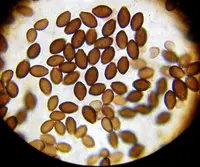
It releases brown, elliptical spores that leave a distinctly brown spore print, placing it within a group of former Paxillus-like fungi now segregated into Austropaxillus based on both spore color and molecular data.

Botan icon

Did you know?

This species was among the southern hemisphere taxa that helped mycologists recognize that several Australasian "Paxillus" species formed a distinct evolutionary lineage, leading to the description of the genus Austropaxillus in the early 2000s based on DNA and morphological evidence.

FAQs about Austropaxillus infundibuliformis

This fungus is not recommended for consumption. Related Paxillus species are known to cause serious immune-mediated reactions and delayed toxicity in humans. Identification is difficult, so foragers should avoid eating it and treat it as inedible.

Grow Healthy Plants with Botan Care

Keep your plants happy and healthy with plant identification, disease detection, and easy care guidance.

Botan plant care app — identify plants on mobile

Explore More Plants