Mycorrhizal partner protection
Maintain or lightly mulch the soil under established southern beech hosts instead of cultivating or turning it, as disturbing the root zone can damage the fine fungal connections this species relies on.

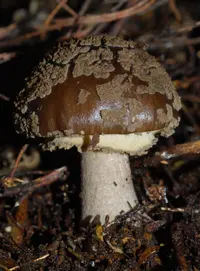
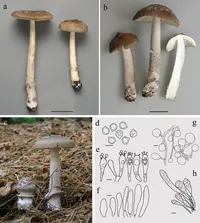
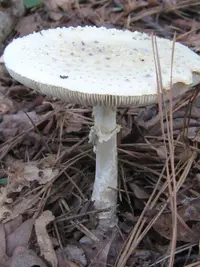
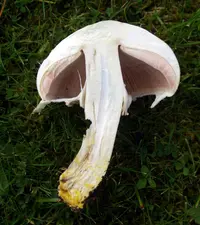
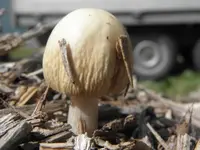
Southern beech amanita, Amanita nothofagi, is a fleshy, gilled mushroom rather than a traditional foliage houseplant. It typically forms medium-sized, pale to brownish caps with a stout stem and a classic amanita silhouette. The fruiting bodies emerge from the forest floor, often near beech relatives.
This species is associated with Nothofagus trees in its native range in South America, forming mycorrhizal partnerships, where fungus and tree roots exchange nutrients. Because of this close ecological relationship, it is not practical to grow or care for Southern Beech Amanita indoors or in regular garden settings.
In nature, it favors cool, moist, well-drained forest soils with consistent organic matter and dappled light under mature tree canopies.

Care Difficulty
Hard Care

Light Preference
Partial Shade

Water Requirements
Regular Water

Temperature Preference
Cool Climate

Hardiness Zone
Unknown

Soil Texture
Loamy, Silty, Organic-rich

Soil pH
Acidic (5.5–6.5)

Soil Drainage
Moist but well-drained

Fertilization
Minimal (feed rarely)
Scan your plant to receive care tips personalized for your specific plant
Available on iOS and Android
This ectomycorrhizal fungus prefers cool, dappled forest light rather than open sun.
This species relies on consistently moist, well‑drained soil around its host tree roots.
This forest fungus favors mild, cool conditions with protection from temperature extremes.
Humidity is not a major controllable factor because this ectomycorrhizal fungus must grow outdoors with its host trees.
This ectomycorrhizal fungus depends on living tree roots, so focus on suitable outdoor soil conditions rather than potting mixes.
This species is not suitable for container growing because it requires a stable symbiosis with mature tree roots in open ground.
This ectomycorrhizal fungus relies on its host trees, so Southern Beech Amanita usually needs no additional fertilizer in natural or garden settings.
Pruning is not applicable to Amanita nothofagi, as it is a wild ectomycorrhizal mushroom rather than a plant with stems or branches.
Transplanting this ectomycorrhizal fungus is rarely successful, as it depends on a stable partnership with living southern beech roots.
Intentional propagation of Amanita nothofagi is not recommended, as it requires complex, host-specific root associations that are difficult to reproduce artificially.
This woodland fungus is naturally adapted to local seasonal cycles and generally does not need targeted winter care.

Plant Health Check
Not sure what's wrong with your plant? Check your plant's health inside the app.
This species forms ectomycorrhizal partnerships specifically with southern beech trees in the genus Nothofagus, exchanging mineral nutrients from the soil for sugars produced by the tree.
It is known only from southern South America, where it appears in native Nothofagus forests rather than in mixed or non-native woodlands.
The mushrooms typically appear on the forest floor during the local autumn, matching the period when their Nothofagus hosts are reallocating resources in roots and soil fungi.
This species is considered highly poisonous. It contains toxic compounds that can cause severe gastrointestinal and neurological symptoms if eaten. Never consume it and prevent access by children, dogs, cats, and grazing animals.
Keep your plants happy and healthy with plant identification, disease detection, and easy care guidance.