


Use Sterile Substrate
Prepare a thoroughly pasteurized or sterilized hardwood sawdust or supplemented woodchip mix to reduce competing fungi and bacteria before introducing spawn.

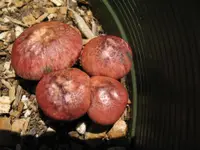
Yellow-gilled Gymnopilus (Gymnopilus luteofolius) is a wood-decaying mushroom, not a leafy houseplant. It typically forms dense clusters of medium-sized caps with bright yellow to orange gills and a fibrous, often scaly surface. In nature it occurs on dead or dying hardwoods and conifers, mainly in temperate forests of North America. This fungus is not suitable as a decorative indoor specimen and is considered difficult to manage in cultivation because it requires specific woody substrates and stable outdoor-like conditions. Anyone wishing to learn how to care for Yellow-gilled Gymnopilus should understand its role as a decomposer rather than a traditional potted plant.

Care Difficulty
Hard Care

Light Preference
Partial Shade

Water Requirements
Keep Soil Moist

Temperature Preference
Warm Climate

Hardiness Zone
Unknown

Soil Texture
Organic-rich, Loamy

Soil pH
Acidic (5.5–6.5)

Soil Drainage
Moist but well-drained

Fertilization
Minimal (feed rarely)
Scan your plant to receive care tips personalized for your specific plant
Available on iOS and Android
This wood-rotting mushroom prefers bright but filtered woodland-style light rather than intense direct sun.
Moist, never stagnant, conditions are essential for reliable fruiting of Gymnopilus luteofolius.
This species prefers cool to mild conditions and declines when exposed to extremes of heat or cold.
Humidity is not a major factor for outdoor growth of this wood-decaying fungus.
This species fruits on decaying wood rather than in traditional garden soil.
This species is not well suited to ornamental container growing, as it is a wood-inhabiting fungus rather than a typical potted plant.
This wood-decaying fungus usually gains enough nutrients from its substrate and rarely needs additional fertilizer in cultivation.
Pruning is not a standard practice for Gymnopilus luteofolius, since the fruiting bodies are short-lived and the organism persists mainly as hidden mycelium in wood or soil.
When grown experimentally on logs or in controlled substrate, this species is managed more by substrate renewal than by classic repotting.
Propagation of this fungus is typically done by spore work or by transferring living mycelium rather than by plant-like methods such as cuttings or division.
In outdoor settings this saprophytic fungus is generally managed by habitat conditions rather than active winter protection.

Plant Health Check
Not sure what's wrong with your plant? Check your plant's health inside the app.
The caps of mature specimens often show scattered violet to wine-colored spots over an orange to reddish background, a combination that helps distinguish this species from other wood-inhabiting orange Gymnopilus mushrooms.
The gills start bright yellow and gradually shift toward rusty orange as the spores mature, reflecting the production of the characteristic rusty-brown spore deposit of the genus.
This species grows as a saprobe, decomposing dead conifer wood in clusters on logs, stumps, or buried wood, and contributes to nutrient cycling in forest ecosystems by breaking down lignin-rich substrates.
This mushroom is not considered edible. It is bitter and can contain psychoactive compounds that affect the central nervous system. Identification is difficult, so it should never be eaten or used as a food source.
Keep your plants happy and healthy with plant identification, disease detection, and easy care guidance.

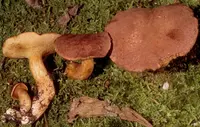
Bothia
Bothia castanella
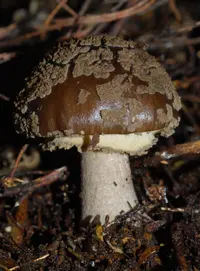
Southern Beech Amanita
Amanita nothofagi
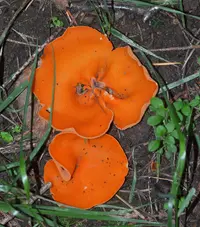
Orange peel fungus
Aleuria aurantia
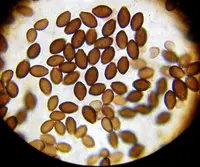
Panaeolus olivaceus
Panaeolus olivaceus
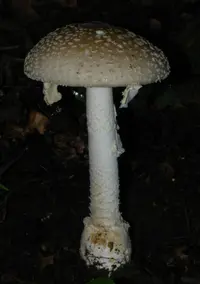
Small Funnel-Veil Amanita
Amanita multisquamosa
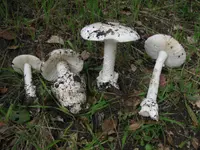
Western Destroying Angel
Amanita ocreata
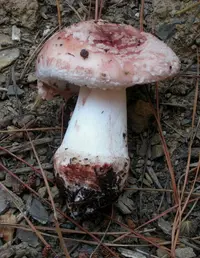
Blushing Bride Amanita
Amanita novinupta
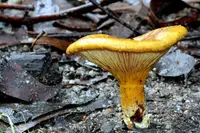
Austropaxillus infundibuliformis
Austropaxillus infundibuliformis