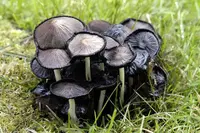
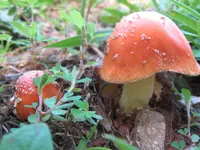
Western Destroying Angel Care (Amanita ocreata)

Also known as: Western American Destroying Angel
Western Destroying Angel

About Western Destroying Angel

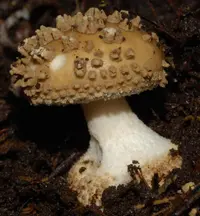
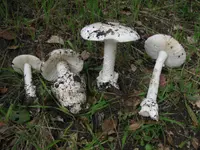
Western destroying angel (Amanita ocreata) is not a garden plant but a highly poisonous mushroom found along the Pacific Coast of North America. It typically appears in late winter to spring, often under oaks, with a smooth white cap, white gills, and a tall, slender stem with a skirt-like ring.

This fungus forms mycorrhizal associations, meaning it lives in partnership with tree roots and does not adapt to normal container or bed culture. Because of its extreme toxicity and specific ecological needs, it is not suitable to grow or care for Western Destroying Angel in home settings.

In nature, it favors moist, cool seasons, well-drained woodland soils, and partial shade in mixed or oak woodlands.

Main Plant Requirements

Care Difficulty

Hard Care

Light Preference

Partial Shade

Water Requirements

Keep Soil Moist

Temperature Preference

Warm Climate

Hardiness Zone

Unknown

Soil Texture

Loamy, Organic-rich

Soil pH

Acidic (5.5–6.5)

Soil Drainage

Moist but well-drained

Fertilization

Minimal (feed rarely)

Get Personalized Care Plan

Scan your plant to receive care tips personalized for your specific plant

Available on iOS and Android

How to Care for the Western Destroying Angel

This deadly mycorrhizal fungus forms fruiting bodies only under specific woodland light conditions.

  • In nature, Western Destroying Angel appears in bright but filtered shade, under oaks or similar trees where dappled light reaches the forest floor for roughly 2–5 hours per day.
  • Avoid full, exposed midday sun; intense radiation dries the leaf litter and upper soil, suppressing the formation of mushrooms and damaging delicate developing caps.
  • Seasonally, more fruiting occurs when late winter to early spring sun is low in the sky, giving cool light combined with consistently moist, shaded ground.

This ectomycorrhizal fungus depends on consistently moist but not waterlogged soil around its tree partners.

  • In natural settings, fruiting bodies appear after steady rains when upper soil and leaf litter stay evenly moist but not saturated; pooling water or swampy patches reduce oxygen and limit Amanita ocreata.
  • Allow the top 2–5 cm of soil and litter to drain after rain; a spongy, springy feel underfoot is ideal, while squelching mud suggests excess water and poor conditions.
  • During dry, warm periods, mushrooms quickly collapse or fail to emerge; a pattern of intermittent rainfall with short drying intervals supports mycelium activity and more reliable fruiting.

This species produces fruiting bodies only within a relatively cool, mild temperature window.

  • Optimal fruiting typically occurs around 50–65°F (10–18°C), often in late winter to early spring when soils are cool and consistently moist under host trees.
  • Mycelium can persist when air temperatures briefly drop near 32°F (0°C), but hard or repeated frosts below 28°F (-2°C) damage developing primordia and delay visible mushrooms.
  • Sustained heat above about 75–80°F (24–27°C) combined with dry conditions halts fruiting; caps desiccate rapidly, and activity shifts back to the underground mycelial phase until cooler, wetter weather returns.

Humidity control is not a primary factor for Amanita ocreata, which naturally tolerates a broad outdoor range.

This ectomycorrhizal fungus relies on natural, undisturbed soils rather than prepared mixes.

  • Prefers loose, well-aerated, organic-rich forest soils with abundant leaf litter and decaying wood fragments.
  • Requires rapid drainage; water must not pool after rain, so avoid compacted or clay-heavy sites that stay wet.
  • Thrives in slightly acidic to neutral soils around pH 5.5–7; avoid limed or strongly alkaline areas near concrete rubble.
  • Do not amend with dense compost layers or manure heaps, which can create anaerobic pockets and alter native fungal communities.

This species is not suitable for container growing and should not be cultivated in pots due to extreme toxicity and ecological dependence on tree roots.

This deadly mycorrhizal fungus occurs naturally in nutrient-balanced soils and does not benefit from targeted fertilization in gardens or containers.

Amanita ocreata does not require or benefit from pruning, since each mushroom is a short-lived fruiting body rather than a structure that responds to shaping.

This highly toxic woodland fungus forms symbiotic roots with trees and is not suited to container culture or intentional transplanting.

  • In nature, the organism lives as an underground mycelium connected to host tree roots, with mushrooms appearing seasonally above ground.
  • Transplanting disrupts this mycorrhizal partnership and typically kills the fungus, so movement between sites is not recommended.
  • Gardeners should avoid digging up or relocating clusters; instead, manage site access if Western Destroying Angel appears in high-traffic areas.
  • If removal is needed for safety, carefully dig and discard fruiting bodies without attempting to save or re-establish the fungus elsewhere.

Intentional propagation of Amanita ocreata is not recommended due to its extreme toxicity and specialized mycorrhizal lifestyle.

This fungus survives winter as underground mycelium and usually needs no deliberate winter care in landscapes.

Care Tips

Spore handling safety

When observing or collecting spore prints, work on disposable paper in a well-ventilated area, wear gloves, and seal all materials in a bag for trash disposal instead of composting to avoid accidental spread and exposure.

Habitat mapping practice

Before any field work, study local habitat maps and mycorrhizal host lists so you can recognize oak-dominated areas and mark zones where toxic mushrooms regularly appear, reducing accidental contact during routine landscape maintenance.

Child and pet exclusion

If this species occurs on a property, establish a clear no-go perimeter with flags or temporary fencing during the fruiting season and brief family members or staff on identification traits to prevent ingestion incidents while caring for Western Destroying Angel habitats.

Tool and footwear hygiene

After working in areas where fruiting bodies are present, wash tools and scrub boot soles to remove soil and tissue fragments, then rinse surfaces to limit unintentional transfer of spores or pieces into play areas, vegetable beds, or compost piles.

Documentation instead of removal

For study or identification, rely on high-resolution photos, measurements, and notes rather than frequent physical disturbance, which helps keep the fungal network intact while still allowing safe monitoring and research of this highly toxic species.

Common Pests and Diseases

Mycophagous insects

These insects, such as fungus gnats, springtails, or small beetles, feed on fruiting bodies and mycelium, leaving pits, scars, or tunnels in caps and stems.

Solution

Remove and discard heavily damaged fruiting bodies and reduce nearby organic debris that shelters insects. If cultivating in controlled conditions, use fine mesh barriers, sticky traps, and careful moisture management to reduce insect access without disturbing the surrounding ecosystem more than necessary.

Slugs and snails

These mollusks rasp away tissue from young and mature mushrooms, often leaving irregular holes, slime trails, and rapid collapse of caps.

Solution

Hand-remove slugs and snails near fruiting sites and avoid leaving boards, pots, or dense ground cover that serve as shelters around the area. Physical barriers such as copper tape around cultivation beds or raised containers can help, but avoid changing natural woodland conditions if the fungus occurs in the wild.

Bacterial blotch

This disease produces water-soaked, greasy, or yellow-brown spots on caps and stems, especially under persistently wet conditions with limited air movement.

Solution

Improve air circulation and avoid overhead misting directly on fruiting bodies if grown under controlled conditions, keeping surfaces moist but not saturated. Remove and discard affected mushrooms promptly to limit spread on adjacent fruiting bodies and sanitize tools or containers that contact diseased tissue.

Competing saprophytic fungi

This problem arises when other fast-growing fungi colonize the same substrate, leading to distorted, aborted, or fewer fruiting bodies of the target species.

Solution

For anyone attempting Amanita ocreata care in controlled settings, use clean, low-contamination substrates and avoid reusing poorly cleaned containers or outdoor soil. Remove obviously contaminated material early and keep environmental conditions stable to favor the intended mycelium over aggressive invaders.

Interesting Facts

Spring fruiting specialist

This species typically fruits in late winter to early spring in California and the Pacific Northwest, often appearing before many other amanitas in coastal oak habitats.

Oak-associated mushroom

It forms ectomycorrhizal associations with coast live oak and related Quercus species, exchanging mineral nutrients for sugars from the tree roots in a mutually beneficial relationship.

Extremely delayed toxicity

Its amatoxin compounds primarily damage the liver and kidneys, and symptoms often appear only 6–24 hours after ingestion, which can delay diagnosis and treatment.

Botan icon

Did you know?

Amanita ocreata has been implicated in several highly publicized poisoning cases in western North America, which has led to its common name Western destroying angel and to strong public health warnings issued each spring in regions where it fruits.

FAQs about Western Destroying Angel

Yes. This mushroom is extremely poisonous to humans and animals if eaten, causing severe liver and kidney damage and often death. Handling intact specimens is usually safe, but ingestion of any part must be strictly avoided.

Grow Healthy Plants with Botan Care

Keep your plants happy and healthy with plant identification, disease detection, and easy care guidance.

Botan plant care app — identify plants on mobile

Explore More Plants