Ceriporia purpurea Care

Ceriporia purpurea

About Ceriporia purpurea

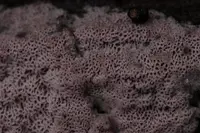
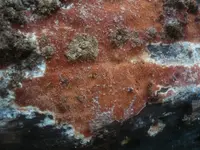
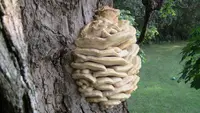
Ceriporia purpurea is a crust-like wood-decay fungus rather than a leafy plant. It forms thin, spreading patches on dead or decaying wood, often with soft purple to lilac tones when fresh. As it matures, the surface usually becomes paler and more uneven.

This species occurs mainly on fallen branches and logs in temperate forests, including parts of Europe, Asia, and North America. It plays an ecological role by breaking down lignin and cellulose, the structural components of wood.

For anyone looking to grow or care for Ceriporia purpurea in cultivation, it requires consistently moist, woody material, stable humidity, and a shaded, sheltered location that mimics its forest habitat.

Main Plant Requirements

Care Difficulty

Moderate Care

Light Preference

Partial Shade

Water Requirements

Keep Soil Moist

Temperature Preference

Cool Climate

Hardiness Zone

Unknown

Soil Texture

Loamy, Organic-rich, Peaty

Soil pH

Acidic (5.5–6.5)

Soil Drainage

Moist but well-drained

Fertilization

Minimal (feed rarely)

Get Personalized Care Plan

Scan your plant to receive care tips personalized for your specific plant

Available on iOS and Android

How to Care for the Ceriporia purpurea

This crust fungus thrives on shaded dead wood and does not need direct sun.

  • Provide bright shade or dappled woodland light, ideally under a tree canopy or north/east side of logs receiving 1–3 hours of weak, filtered sun.
  • Avoid strong midday and afternoon sun, which can dry the substrate and slow growth; keep host wood in a consistently moist, shaded spot.
  • In summer, increase shade and moisture retention with leaf litter; in winter, natural low-angle light is acceptable as long as wood does not dry out completely.

Moist, not waterlogged, wood is essential for stable development of this saprophytic fungus.

  • Maintain host wood evenly moist; in dry spells, water surrounding soil or mulch when the top 2–3 cm feel dry, allowing slow moisture uptake into the log.
  • Avoid standing water around the wood, which promotes anaerobic conditions and decay patterns that can damage Ceriporia purpurea mycelium.
  • In hot, windy periods, check moisture every 2–3 days; pale, brittle fruiting crust indicates drying, while sour smell and blackened wood suggest chronic over-saturation.

This species is adapted to temperate woodland climates with cool to mild conditions.

  • Optimal activity occurs around 50–70°F (10–21°C), common in spring and autumn in many temperate forests.
  • It tolerates cool snaps down to about 23–25°F (-5 to -4°C) once established, but repeated hard freezes can damage exposed fruiting bodies.
  • Growth slows above 77°F (25°C); during hot periods, extra shading and moisture conservation help protect the wood substrate from overheating and rapid drying.

This wood-decay fungus is not commonly grown at home, and humidity management is generally not relevant for typical cultivation conditions.

This saprobic fungus colonizes dead wood rather than soil, so conventional potting substrates are not suitable.

  • For experimental culture, provide a dense, organic-rich woody substrate such as untreated hardwood chips, small logs, or thick bark sections instead of mineral soil.
  • Ensure the woody material drains freely and does not remain submerged or waterlogged, as stagnant conditions favor competing molds and bacteria.
  • Maintain the substrate slightly moist but never saturated; excess surface water should drain or evaporate within a few hours after wetting.
  • Avoid nutrient-enriched garden soil, peat-based mixes, or fertilizers that alter the natural lignin- and cellulose-based resource this species normally decomposes.

This species is not well suited to conventional container growing, since it naturally forms crusts on dead wood rather than rooting in soil-filled pots.

This crust-forming wood-decay fungus occurs naturally on nutrient-rich dead wood and does not benefit from typical garden fertilization.

As a resupinate wood-decay fungus, Ceriporia purpurea does not require horticultural pruning in the usual sense.

This species naturally colonizes dead wood and is not suited to conventional container culture or garden transplanting.

  • If studied or cultured, maintain it on fresh, appropriately sterilized woody substrate rather than attempting standard repotting.
  • Renew substrate when mycelium has fully consumed the wood or growth visibly declines.
  • Shift small colonized pieces onto new sterile wood under controlled humidity to limit desiccation stress.
  • Avoid disturbing established wild colonies; leave them on their original host logs for normal development.

Propagation of this bracket-like crust fungus is primarily of scientific interest and is not typically attempted by home growers.

  • In nature, reproduction occurs via microscopic spores released from the pore surface into humid air.
  • Laboratory culture uses sterile mycelial transfers onto nutrient agar or prepared woody substrates.
  • Controlled environments maintain stable moisture, moderate temperatures, and low contamination for reliable colony establishment.
  • Backyard attempts are unreliable; leaving colonized logs in shaded, moist conditions is the simplest way to support natural spreading.

Outdoor colonies on dead wood are usually cold hardy in temperate climates and need no targeted winter care.

  • Leave colonized logs or branches in place so the fungal tissues remain buffered by the wood.
  • A natural leaf layer around logs helps moderate temperature swings and surface drying.
  • Avoid moving or cleaning off fruiting bodies during freezing periods, as disturbance can damage the living tissue.

Care Tips

Use sacrificial logs

Inoculate spare hardwood logs or offcuts so the fungus can colonize them fully, then periodically replace these with fresh material to keep the main display area clean and visually controlled when growing Ceriporia purpurea.

Rotate host material

Cycle different pieces of dead hardwood (such as oak, beech, or maple) every 6–18 months to prevent nutrient depletion and to maintain vigorous fruiting on fresh, undecayed surfaces.

Control moisture gradient

Stack or position wood so that some pieces are more exposed and others sheltered, creating a range of moisture levels that increases the chance of consistent fruiting over changing weather conditions.

Limit competing fungi

Before inoculation, strip loose bark and scrape off visible lichens or other fungi from the wood surface to reduce competition and help this species establish a stable colony.

Shaded microhabitat setup

Place inoculated wood on bricks or a perforated tray above soil level in a shaded, wind-protected corner to reduce splash contamination, improve air circulation, and keep the mycelium from drying too quickly.

Common Pests and Diseases

Host wood decay

This disease reflects the natural white-rot activity that decomposes the dead hardwood on which the fungus grows, sometimes extending into structurally important wood in landscape or orchard trees. Symptoms include soft, stringy, pale wood under the bark and thinning or dieback of affected branches over time.

Solution

Prune out and properly dispose of colonized, structurally weakened branches and avoid leaving large pruning wounds that can be invaded. For valuable trees, consult an arborist to assess structural stability and remove heavily decayed limbs; prevent future problems by reducing wounding and keeping trees healthy so they compartmentalize decay more effectively.

Competing saprobic fungi

These fungi can overrun or replace the fruiting crusts, especially on small logs or branches, leading to patchy, short-lived, or aborted fruit body development. Symptoms include mixed colonies of different-colored crusts, brackets, or molds on the same piece of wood.

Solution

Select fresh but already dead hardwood with intact bark and avoid pieces already heavily colonized by other shelf or crust fungi when trying to grow Ceriporia purpurea. If competition becomes heavy, replace the substrate with new, cleaner hardwood and keep it in a shaded, evenly moist but not waterlogged environment to favor stable colonization.

Drying and desiccation

This physiological problem occurs when fruiting crusts are exposed to prolonged sun and dry air, causing cracking, bleaching, and failure to produce spores. Symptoms include brittle, shrinking patches that stop expanding along the wood surface.

Solution

Place inoculated wood in a shaded, humid position with minimal direct wind and sun exposure, such as the north side of a structure or under shrub cover. Periodically mist the surrounding environment or mulch around logs to maintain 50–70% ambient humidity without soaking the wood, a key point in growing Ceriporia purpurea successfully.

Interesting Facts

Distinct purple pore layer

This crust fungus is recognized by its smooth to slightly warted fruiting surface with a distinct purplish to lilac pore layer when fresh, which can fade to brownish tones as it ages or dries.

Wood-decaying specialist

It causes white rot in dead hardwoods by breaking down both lignin and cellulose, contributing significantly to nutrient cycling and the decomposition of fallen branches and logs in temperate forests.

Widespread but overlooked

Although it has a wide distribution in temperate regions, including parts of Europe and North America, it is often overlooked in the field because it forms thin, closely appressed crusts rather than conspicuous mushroom caps.

FAQs about Ceriporia purpurea

This crust fungus can spread across dead wood surfaces where conditions stay moist, but it is not considered aggressive in managed landscapes. It colonizes decaying wood rather than living plants and usually remains localized to suitable substrates.

Grow Healthy Plants with Botan Care

Keep your plants happy and healthy with plant identification, disease detection, and easy care guidance.

Botan plant care app — identify plants on mobile

Explore More Plants