Sterile substrate handling
Use pre-sterilized hardwood sawdust or supplemented hardwood pellets and handle them with clean tools and gloves to reduce contamination, which is critical when caring for Crepidotus nephrodes in controlled culture.

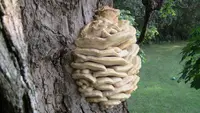
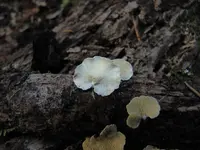
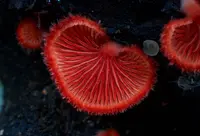
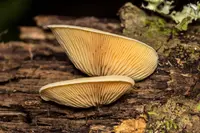
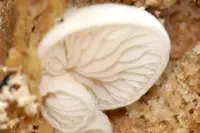
Crepidotus nephrodes is a small, saprophytic fungus rather than a typical green plant. It grows on decaying wood, helping break down dead branches and logs. The fruiting bodies are usually kidney- or fan-shaped, with a soft, often pale to brownish cap and a short or absent stem.
This species occurs in temperate forests, often appearing in moist, shaded habitats. It is not a common subject for home cultivation, and its specific growth requirements make it challenging for beginners. For those interested in how to care for Crepidotus nephrodes, stable humidity, cool temperatures, and consistently damp, woody substrates are essential.
Because it is a woodland decomposer, it is best observed in nature or specialized fungal cultures rather than treated as a standard houseplant.

Care Difficulty
Moderate Care

Light Preference
Shade

Water Requirements
Keep Soil Moist

Temperature Preference
Warm Climate

Hardiness Zone
Unknown

Soil Texture
Organic-rich, Peaty

Soil pH
Acidic (5.5–6.5)

Soil Drainage
Waterlogged tolerant

Fertilization
Minimal (feed rarely)
Scan your plant to receive care tips personalized for your specific plant
Available on iOS and Android
This small wood-inhabiting fungus prefers low to moderate light on shaded forest substrates.
Moist but not waterlogged conditions are essential for consistent fruiting on wood or woody debris.
Stable cool to mild temperatures best support the development of this wood-dwelling fungus.
This saprophytic fungus prefers consistently moist, humid air similar to a damp forest floor.
Crepidotus nephrodes grows on decaying wood or woody debris rather than in true soil, so focus on the substrate.
This species can be grown in containers when provided with a moist, wood-based substrate instead of soil.
This fungus typically grows on decaying wood and does not benefit from routine fertilization in cultivation.
Pruning is not a standard practice for Crepidotus nephrodes, as individual fruiting bodies are short-lived and naturally replaced.
When grown experimentally on substrates in containers, this species occasionally needs transferring to fresh material rather than classic repotting.
Propagation focuses on expanding mycelium rather than producing new plants in the usual horticultural sense.
Outdoor occurrences follow natural cycles and do not need managed winter care in gardens or containers.

Plant Health Check
Not sure what's wrong with your plant? Check your plant's health inside the app.
This species produces distinctly kidney-shaped (reniform) spores, a key microscopic trait that separates it from many other small brown fungi with similar caps.
The cap surface becomes distinctly gelatinous when moist, which helps distinguish it from closely related Crepidotus species that have more fibrous or dry caps.
Unlike many Crepidotus species with brownish spore prints, this fungus leaves a whitish to very pale spore deposit, an important field clue for correct identification.
This fungus is not considered edible and should be treated as inedible. It is small, thin-fleshed, and poorly documented for culinary use. Foragers should avoid consumption and focus on well-known, confidently identified edible mushrooms instead.
Keep your plants happy and healthy with plant identification, disease detection, and easy care guidance.