Eastern Black Trumpet Care (Craterellus fallax)

Eastern Black Trumpet

About Eastern Black Trumpet

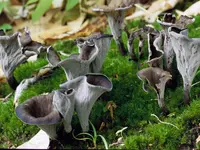
Eastern black trumpet (Craterellus fallax) is a funnel-shaped wild mushroom, not a leafy plant, valued for its dark, flaring fruiting bodies. It typically forms clusters or scattered groups on forest floors, often blending into leaf litter due to its charcoal to black color.

This species naturally occurs in temperate forests of eastern North America, usually in association with hardwood trees. It can be challenging to cultivate because it relies on complex relationships with tree roots and specific soil fungi.

For those exploring how to care for Eastern Black Trumpet, it is generally easier to forage than to grow, as it prefers undisturbed, moist, well-drained woodland soils and stable shade conditions.

Main Plant Requirements

Care Difficulty

Hard Care

Light Preference

Shade

Water Requirements

Keep Soil Moist

Temperature Preference

Cool Climate

Hardiness Zone

3–8

Soil Texture

Loamy, Silty, Organic-rich

Soil pH

Strongly acidic (4.5–5.5), Acidic (5.5–6.5)

Soil Drainage

Moist but well-drained

Fertilization

Minimal (feed rarely)

Get Personalized Care Plan

Scan your plant to receive care tips personalized for your specific plant

Available on iOS and Android

How to Care for the Eastern Black Trumpet

This forest mushroom prefers low, filtered light similar to a shaded woodland floor.

  • Site Craterellus fallax in full shade to dappled shade, with no more than 1–2 hours of weak morning sun and no direct afternoon sun.
  • Provide light conditions under a closed tree canopy or beside shrubs, mimicking 70–90% shade found in mixed or coniferous forests.
  • Excess sun dries the fruiting zone and mycelium, reducing or stopping fruiting, while deep, consistent shade keeps the substrate moist enough for Eastern Black Trumpet to develop.

This species relies on consistently moist, never waterlogged, forest soil supported by natural rainfall.

  • Aim for evenly moist soil in the upper 5–10 cm, allowing only the surface to lose gloss before the next rain or supplemental watering.
  • Use loose, humus-rich, well-drained soil; avoid standing water, which causes mycelium rot and foul odor, classic signs of overwatering.
  • In dry spells, add gentle irrigation that mimics rain, stopping if water begins to pool, and watch for shriveling or brittle tissue as signs of drought stress in Craterellus fallax.

This mushroom fruits best in cool to mild conditions typical of late summer to fall woodlands.

  • Optimal fruiting occurs around 55–70°F (13–21°C), with colonization of underground mycelium continuing from about 45–75°F (7–24°C).
  • It tolerates short dips to 40°F (4°C), but hard frost below 32°F (0°C) damages or collapses fruiting bodies and can halt spore production.
  • Sustained heat above 80°F (27°C) dries the substrate and shortens lifespan; shade, mulch, and natural leaf litter help buffer temperature swings across seasons.

This fungus needs consistently moist, humid air to fruit well outdoors rather than controlled indoor humidity.

  • Aim for 70–90% humidity in shaded, wind-sheltered forest-like spots where air stays moist but not stagnant.
  • Dry air or exposed, breezy locations cause shriveling, pale, brittle fruiting bodies and reduced flushes.
  • Increase humidity by using deep leaf litter, coarse mulch, and nearby understory plants that slow evaporation when caring for Eastern Black Trumpet.

Craterellus fallax fruits best in loose, organic forest-type soil rather than standard garden beds.

  • Use a deep layer of leaf mold, well-rotted hardwood chips, and humus-rich loam to mimic deciduous forest litter.
  • Ensure soil drains freely yet holds moisture; avoid compacted clay or spots that stay waterlogged after rain.
  • Target slightly acidic conditions around pH 5.0–6.5, common under oak, beech, or similar hardwood trees.
  • Improve aeration by mixing coarse bark and chunky compost into the upper 10–15 cm instead of fine peat-heavy mixes.

This mycorrhizal fungus is not realistically suitable for container growing because it depends on living tree roots in natural soil.

This mycorrhizal fungus typically needs no fertilization when growing in natural woodland conditions with intact leaf litter.

Craterellus fallax does not require structured pruning, but light cleanup maintains hygiene in foraging or cultivated patches.

  • Cut only clearly dead, decaying, or insect-infested fruiting bodies at the base using clean scissors or a sharp knife.
  • Remove older, collapsing mushrooms to limit mold buildup and keep the area cleaner for new flushes.
  • Avoid disturbing surrounding leaf litter and associated tree roots, as this can damage the underground mycelium and reduce future fruiting.

This species is rarely grown in containers and is best left undisturbed in the ground due to its mycorrhizal dependence on trees.

  • Transplant only if a habitat is at risk, moving colonized soil and leaf litter as a unit rather than bare fruiting bodies.
  • Carry out any relocation in cool, moist weather in late summer or fall to limit mycelium stress and drying.
  • Keep the original orientation and depth of soil layers, including duff and humus, to preserve the fungus–tree root relationship.
  • Water lightly after transplanting to settle soil contact around roots and mycelium, then let natural rainfall maintain moisture.

Craterellus fallax propagation is challenging because it relies on a symbiotic relationship with host tree roots rather than simple cutting or division methods.

This woodland fungus is cold hardy in its native range and needs no special winter care when left in the ground under natural leaf litter.

Care Tips

Host tree selection

Establish patches near suitable mycorrhizal hosts such as oaks, beeches, or hemlocks, and avoid disturbing their root zones so the underground fungal network can form and persist.

Minimal soil disturbance

Mark productive spots and avoid raking, tilling, or heavy foot traffic in those areas so the fruiting bodies reappear reliably from the same mycelial colony each year.

Leaf litter management

Maintain a loose layer of deciduous leaf litter 2–5 cm deep over the fruiting area instead of bare soil or heavy mulch, as this mimics natural forest duff and stabilizes moisture around the mycelium.

Targeted moisture checks

In dry periods, check soil 5–10 cm below the surface near host trees and apply gentle, low-splash irrigation there rather than watering the whole area, which helps focus resources where fruiting is most likely.

Careful harvesting technique

Cut mushrooms at the base with a clean knife instead of pulling them out, and leave small or damaged specimens in place to reduce disturbance and support long-term productivity when growing Eastern Black Trumpet.

Common Pests and Diseases

Fungus gnat larvae

This pest commonly exploits the moist, organic substrates used to cultivate Craterellus fallax and the larvae feed on fine mycelium and young primordia. Symptoms include slowed colonization, weak or aborted fruiting bodies, and visible tiny white larvae in the substrate surface.

Solution

Use fine insect mesh on fresh air inlets, sticky traps to monitor adults, and reduce excess surface moisture while maintaining internal humidity. For persistent issues, apply a biological control such as Bacillus thuringiensis israelensis (Bti) or beneficial nematodes to the substrate, and discard heavily infested batches.

Sciarid fly infestation

These insects are small dark flies that lay eggs in rich, damp mushroom substrates, and their larvae can tunnel through mycelium and developing trumpets. This pest often arrives with unpasteurized forest duff or contaminated casing materials.

Solution

Cover colonizing substrates, pasteurize or sterilize incoming organic materials, and use yellow sticky cards to reduce adult populations. In enclosed setups, improve filtration of intake air, avoid leaving spent substrate nearby, and rotate affected blocks out of the main grow area to break the life cycle.

Mite contamination

This pest involves tiny arthropods that may feed on fungal mycelium, spores, or competing molds in mushroom beds. Symptoms include patchy, thinned mycelium, uneven fruiting, and visible moving specks when inspected closely.

Solution

Quarantine affected trays or outdoor patches and remove heavily infested material. In controlled cultivation, lower excess surface moisture, improve cleanliness, and use predatory mites sourced for mushroom production rather than broad-spectrum chemicals, which can damage the crop and beneficial organisms.

Green mold (Trichoderma)

This disease is caused by aggressive competitor fungi that colonize the same woody or humus-rich substrates, forming dense white mycelium that turns bright green as spores develop. Symptoms include stalled trumpet development, off odors, and rapidly spreading green patches that overrun the intended mycelium.

Solution

Promptly remove and discard contaminated substrate or sections, taking care not to spread spores. Reduce nutrient-rich uncolonized patches by allowing full mycelial run before heavy watering, sanitize tools and containers, and provide good airflow to avoid stagnant, overly warm microclimates that favor Trichoderma.

Bacterial blotch

This disease develops under very high humidity and poor air movement, leading to water-soaked spots, slimy patches, or deformed, darkened fruiting bodies. Symptoms include sour or unpleasant odor and soft, collapsed tissue on affected trumpets.

Solution

Increase fresh air exchange without letting surfaces stay constantly wet, and water or mist early in the day so caps dry between cycles. Remove and discard affected fruiting bodies, clean surrounding surfaces with a mild disinfectant safe for mushroom production, and avoid direct overhead spraying on developed trumpets when possible.

Interesting Facts

North American look‑alike

Craterellus fallax was long confused with the European chanterelle relative Craterellus cornucopioides until microscopic spore differences and DNA data confirmed it as a distinct North American species.

Bioluminescent spores

Under ultraviolet light, the spores of Craterellus fallax show a natural orange fluorescence, a trait used by mycologists to distinguish it from similar trumpet mushrooms.

Mycorrhizal forest partner

This fungus forms mycorrhizae, a nutrient-trading partnership with tree roots, most often with conifers and hardwoods in acidic, mossy or needle-covered soils of eastern North American forests.

Botan icon

Did you know?

Craterellus fallax typically fruits in dense clusters from the same patch of underground mycelium year after year, so experienced foragers often revisit the exact spots annually like a perennial mushroom garden.

FAQs about Eastern Black Trumpet

This fungus is considered a choice edible when correctly identified and harvested from clean areas. It must never be eaten raw. Always confirm identification with an expert, as similar dark fungi can be misleading or unsafe.

Grow Healthy Plants with Botan Care

Keep your plants happy and healthy with plant identification, disease detection, and easy care guidance.

Botan plant care app — identify plants on mobile

Explore More Plants