Panaeolus antillarum Care

Panaeolus antillarum

About Panaeolus antillarum

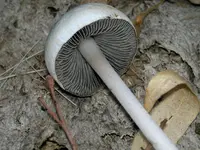
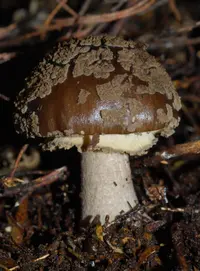
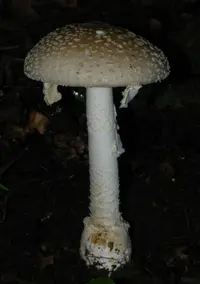
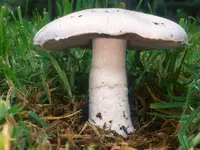
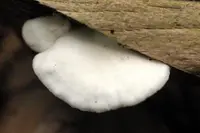
Panaeolus antillarum is a dung-loving mushroom species, not a leafy houseplant. It typically forms sturdy, pale gray to white caps on short, thick stems, often in clusters. In nature it appears on nutrient-rich manured soils, especially in pastures and grasslands in tropical and subtropical regions. It plays a role in breaking down animal waste and returning nutrients to the soil. This fungus is not a typical choice for home cultivation, and it can be challenging to manage the specific moisture and substrate conditions it prefers. Anyone who wants to learn how to care for Panaeolus antillarum should understand it requires controlled humidity, fresh air, and very clean culture conditions.


Main Plant Requirements

Care Difficulty

Hard Care

Light Preference

Partial Shade

Water Requirements

Keep Soil Moist

Temperature Preference

Tropical / Frost Sensitive

Hardiness Zone

Unknown

Soil Texture

Loamy, Organic-rich

Soil pH

Slightly acidic (6.5–7.0)

Soil Drainage

Moist but well-drained

Fertilization

Minimal (feed rarely)

Get Personalized Care Plan

Scan your plant to receive care tips personalized for your specific plant

Available on iOS and Android

How to Care for the Panaeolus antillarum

This grassland mushroom prefers bright, gentle light rather than strong direct sun.

  • Provide 2–4 hours of mild morning sun with bright shade or dappled light for the rest of the day, similar to open pasture edges.
  • Allow partial shade, especially under grasses or low vegetation, to prevent caps from drying and cracking under intense midday or afternoon sun.
  • In hot summers, increase shade during 11 a.m.–4 p.m.; in cooler seasons, slightly more direct light helps Panaeolus antillarum fruit reliably.

Moist, not waterlogged, conditions are essential for reliable fruiting.

  • Aim for evenly moist soil, letting the top 2–3 cm start to dry slightly between soakings while deeper layers stay damp.
  • Ensure rapid drainage so excess water moves through within minutes; standing water or sour, swampy smells indicate harmful overwatering.
  • In warm, windy, or dry weather, expect faster moisture loss and more frequent soaking, while cool, cloudy periods require slower watering to prevent rot.

This species fruits best in warm, non-freezing conditions typical of subtropical and warm-temperate climates.

  • Target 75–86°F (24–30°C) for strongest mycelial growth and fruiting, with short periods down to 68°F (20°C) still acceptable.
  • Avoid temperatures below 40°F (4°C), as repeated cold slows growth sharply and near-freezing or frost can kill exposed fruiting bodies.
  • In hot spells above 90°F (32°C), provide shade and consistent moisture to prevent substrate overheating and rapid drying of caps and stems.

This dung-loving mushroom does not need controlled air humidity in typical outdoor cultivation.

This species grows best in a moist, airy, manure-based substrate rather than standard garden soil.

  • Use a loose mix of well-rotted herbivore dung blended with chopped straw or pasture soil to keep structure open.
  • Ensure excess water drains freely so the substrate stays moist but never waterlogged, which encourages anaerobic bacteria.
  • Aim for a slightly alkaline to neutral pH around 7.0–8.0, common in manure-rich substrates where Panaeolus antillarum naturally appears.
  • Improve aeration by avoiding compaction; keep the substrate fluffy and lightly packed so mycelium can spread easily.

This species is not well suited to container growing beyond experimental or short-term culture.

This dung-loving fungus gains most nutrients from its substrate, so Panaeolus antillarum needs little or no additional fertilization.

Pruning is not applicable, as this species is a short-lived mushroom that completes its life cycle quickly.

Transplanting or repotting is generally irrelevant because this fungus is managed by adjusting its substrate rather than moving mature clusters.

  • Replace or refresh nutrient-rich manure or compost substrate once fruiting declines or contamination appears.
  • Prepare new trays or beds rather than shifting established clumps, which respond poorly to disturbance.
  • Maintain consistent moisture and airflow in the new substrate to limit stress and encourage fresh fruiting.
  • Handle substrate gently to avoid breaking developing pins or mycelial mats.

Propagation of this fungus is usually done by controlled culture methods rather than casual home techniques, so it is not commonly attempted by beginners.

Cold-season care is not relevant, as this mushroom is treated as a short-cycle crop that fruits and disappears rather than overwintering.

Care Tips

Prepare dung substrate

Before inoculation, compost well-aged cattle or horse manure with straw until it no longer smells strongly of ammonia, then pasteurize it at 140–160°F for 60–90 minutes to reduce competing fungi and bacteria without sterilizing it completely.

Use shallow trays

Fruit this species in broad, shallow trays or beds with a substrate depth of about 5–10 cm to encourage even pin formation and reduce anaerobic pockets that can favor contamination.

Control surface moisture

After colonization, lightly mist only the surface and chamber walls so the substrate stays moist but not glossy wet, and fan or ventilate briefly 2–3 times per day to keep caps dry and reduce bacterial blotch.

Harvest at correct stage

Harvest mushrooms when caps are still convex and before the veil remnants have completely disappeared, cutting cleanly at the base with a sterile blade to avoid tearing the substrate and to promote additional flushes.

Rotate substrate sources

When caring for Panaeolus antillarum, rotate between different reliable manure suppliers and batches, and always test small trial trays first to confirm that the material supports strong, clean colonization before scaling up production.

Common Pests and Diseases

Green mold

This disease is caused mainly by Trichoderma species that rapidly colonize manure or compost-based substrates and outcompete the developing mushroom mycelium. Symptoms include dense, bright to dark green patches on the casing or substrate and stunted or aborted mushrooms.

Solution

Remove and discard heavily contaminated trays or sections, as spores spread very quickly. For caring for Panaeolus antillarum, start with well-pasteurized substrate, keep tools and containers clean, promptly remove contaminated material, and improve fresh air exchange and drainage to discourage Trichoderma growth.

Cobweb mold

This disease is caused by Cladobotryum species and appears as very light gray, wispy fungal growth that spreads rapidly across the casing and mushrooms. Symptoms include soft, water-soaked fruiting bodies that collapse and may develop a pinkish tinge when spores form.

Solution

Immediately isolate or discard affected trays and gently mist the area with 3% hydrogen peroxide, avoiding oversaturation of the substrate. Reduce humidity slightly, increase fresh air exchange, and avoid direct water spray on caps to slow spread and improve conditions for healthy mycelium.

Bacterial blotch

This disease is usually caused by Pseudomonas bacteria that thrive on wet mushroom caps and casing surfaces. Symptoms include slimy, yellow to brown spots on caps and a greasy or water-soaked appearance that can lead to tissue breakdown.

Solution

Avoid overhead watering onto caps, use clean water, and maintain good air movement so surfaces dry within a few hours after misting. Remove and discard affected mushrooms, clean surfaces and tools, and reduce free water on the casing layer while keeping overall humidity adequate for fruiting.

Sciarid fungus gnats

These insects are small dark gnats whose larvae feed within the substrate and on mushroom mycelium and primordia. Symptoms include poor pin formation, deformed or tunneled stems, and visible small flies around trays, especially after watering.

Solution

Use fine-mesh screens and sticky traps to reduce adult populations and monitor activity. Keep the growing area clean and dry between flushes, avoid exposed standing water or wet debris, and if needed apply a biological control such as Bacillus thuringiensis israelensis (BTI) to the substrate according to label directions.

Phorid flies

These insects are small hump-backed flies that are attracted to manure-based substrates and decomposing mushroom tissue. Symptoms include larvae tunneling through stems and caps, soft or decaying fruiting bodies, and rapid spread of other contaminants through their movement.

Solution

Promptly remove spent or decomposing mushrooms and keep the grow area free of rotting organic material. Use tight-fitting lids or covers on trays, seal structural gaps, and combine physical exclusion with sticky traps to reduce adults; in chronic cases, rest the room and perform a full clean and disinfection before restarting production.

Interesting Facts

Misnamed psychoactive mushroom

This species is often mistakenly labeled as hallucinogenic, but chemical analyses show it lacks the psychoactive compound psilocybin and is considered non-psychoactive.

Dung-loving decomposer

It is a coprophilous fungus that grows directly on herbivore dung, especially cattle manure, where it helps break down complex plant material and recycle nutrients into the soil.

Distinct pale cap

Mature fruiting bodies develop a smooth, pale gray to whitish cap that does not typically turn inky or mottled like many other Panaeolus species, which aids field identification.

Botan icon

Did you know?

This species has served as a reference non-psychoactive look-alike in mycological studies that compare toxic, psychoactive, and harmless dung fungi, helping clarify identification criteria for foragers and researchers.

FAQs about Panaeolus antillarum

This mushroom is generally regarded as inedible. It lacks culinary value due to its tough texture and poor taste. It is not considered hallucinogenic, but for safety, foragers should avoid consuming it and focus on better-documented edible species.

Grow Healthy Plants with Botan Care

Keep your plants happy and healthy with plant identification, disease detection, and easy care guidance.

Botan plant care app — identify plants on mobile

Explore More Plants