Red-leaved Rose Care (Rosa glauca)

Also known as: Red-leaf Rose
Red-leaved Rose

About Red-leaved Rose

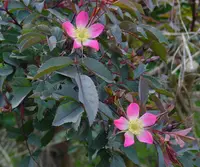
Red-leaved rose, Rosa glauca, is a hardy deciduous shrub rose valued more for its foliage than its flowers. It forms a graceful, arching shrub that suits mixed borders and informal hedges.

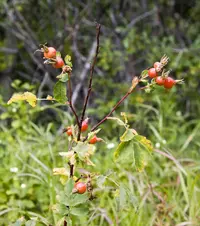
The leaves are blue-green to purplish with a soft, matte finish, which makes the small, single pink flowers and bright red hips stand out. It is native to mountainous regions of central and southern Europe, so it copes well with cold, wind, and poorer soils.

This species is generally easy to grow, provided it has sun, reasonable drainage, and consistent moisture. Gardeners who want to care for Red-leaved Rose usually appreciate its toughness and low-maintenance nature compared with many modern roses.

Main Plant Requirements

Care Difficulty

Easy Care

Light Preference

Full Sun

Water Requirements

Moderate Water

Temperature Preference

Cold Hardy

Hardiness Zone

3–8

Soil Texture

Sandy, Loamy, Clay

Soil pH

Acidic (5.5–6.5), Slightly acidic (6.5–7.0)

Soil Drainage

Well-drained

Fertilization

Minimal (feed rarely)

Get Personalized Care Plan

Scan your plant to receive care tips personalized for your specific plant

Available on iOS and Android

How to Care for the Red-leaved Rose

This species performs best in full sun but adapts to light shade, with bloom and foliage color changing slightly with exposure.

  • Aim for 6–8 hours of direct sun daily; morning sun with light afternoon shade helps preserve the blue-green leaves and reddish tones of Red-leaved Rose.
  • In hot summer regions, protect from harsh late-afternoon sun with partial shade or filtered light to reduce leaf scorch and water stress.
  • In cooler or cloudy climates, choose the sunniest, south- or west-facing position available to support strong flowering and dense growth.

Rosa glauca prefers evenly moist, well-drained soil and tolerates short dry spells once established.

  • Before watering, let the top 3–5 cm of soil dry; in average conditions, deep soakings every 5–10 days in the ground are often sufficient once roots are established.
  • Increase watering during hot, dry, or windy weather, focusing on slow, root-level soaking rather than frequent light sprinkles that encourage shallow roots.
  • Reduce watering in cool or rainy seasons; watch for yellowing, soft leaves as a sign of overwatering, and crisp, drooping foliage as a sign of drought stress.

This rose is cold-hardy yet also manages warm summers if extremes are avoided.

  • Optimal growing temperatures are around 60–75°F (16–24°C), with vigorous spring growth as soil and air warm steadily.
  • Rosa glauca tolerates winter lows near -20°F (-29°C) in the ground, entering dormancy; mulch the root zone in colder climates to buffer freeze–thaw cycles.
  • In summer, it copes with short periods up to about 90°F (32°C) if soil moisture is maintained; prolonged heat above this can reduce flowering and stress the foliage.

Humidity is rarely a limiting factor for Rosa glauca in typical outdoor conditions.

Rosa glauca prefers moderately fertile, well‑structured mineral soil with reliable drainage.

  • Use a loamy or sandy loam soil enriched with 20–30% well‑rotted compost for organic matter and nutrient retention.
  • Aim for slightly acidic to neutral pH around 6.0–7.0; avoid strongly acidic or alkaline sites that restrict nutrient uptake.
  • Ensure free drainage by avoiding compacted clay; incorporate coarse sand or fine gravel to improve pore space and prevent waterlogging.
  • Avoid very shallow, stony soils that dry out extremely fast and heavily mulched, soggy beds that keep roots saturated.

This species can be grown in large outdoor containers if the pot supports its vigorous, arching habit.

  • Choose a heavy, wide container at least 45–50 cm deep to prevent tipping as the shrub gains height and spread.
  • Select a thick-walled pot material such as glazed ceramic to moderate root temperature and slow rapid moisture loss in summer.
  • Raise the container on feet or bricks so drainage holes never sit in standing water, reducing root stress after heavy rain.

This species is tolerant of low fertility but benefits from light feeding in poor soils during active growth.

  • Apply a balanced slow-release granular fertilizer (around 10-10-10) once in early spring as new growth starts.
  • On richer soils, use a thin top-dressing of compost instead of synthetic products to maintain soil structure.
  • If using liquid feed, dilute to half strength and apply every 4–6 weeks in spring–early summer only.
  • Stop feeding Red-leaved Rose by late summer and do not fertilize in fall or winter to avoid soft, frost-sensitive growth.

Rosa glauca responds well to light, thoughtful pruning that maintains its arching shape and healthy flowering wood.

  • Carry out main pruning in late winter to very early spring before new buds break.
  • Remove dead, diseased, or crossing stems first, cutting back to healthy wood with clean, sharp bypass pruners.
  • Thin out a few of the oldest stems at the base every 2–3 years to encourage vigorous new shoots and better flowering.
  • Lightly shorten overly long or wayward branches after flowering to refine the shrub’s outline without shearing.

This rose is usually grown in the ground, so care focuses on thoughtful transplanting rather than frequent repotting.

  • Plan transplanting for late fall or early spring when the plant is dormant and soil is workable.
  • Look for signs such as restricted root spread, poor vigor, or crowding by nearby shrubs as cues to move Rosa glauca.
  • Dig a wide planting hole, keep as much of the root ball intact as possible, and water deeply after replanting.
  • Mulch the root zone after transplanting, keep soil evenly moist, and avoid heavy pruning the same season to reduce stress.

Rosa glauca is commonly propagated by hardwood cuttings and sometimes by seed for those wanting genetic variation.

  • Take hardwood cuttings in late fall–winter, 15–20 cm long, and insert into a free-draining, sandy medium.
  • Maintain cool conditions, consistent moisture, and good air circulation to support rooting over late winter–spring.
  • Sow ripe seeds outdoors in fall so natural winter cold provides stratification, which breaks dormancy.
  • Label seedlings, thin weak plants, and transplant sturdy young roses to their final site after 1 growing season.

This shrub is generally cold hardy in temperate climates and usually needs only minimal winter attention.

  • Tolerates typical winter frosts in most garden zones where it is grown outdoors.
  • Apply a 5–8 cm mulch layer around the root zone in late fall, keeping it slightly away from stems.
  • In very cold or exposed sites, loosely tie stems together and use a breathable windbreak to limit desiccation.
  • Move container-grown plants into a sheltered, frost-free or slightly protected spot to prevent root freeze.

Care Tips

Canopy Thinning

Remove a few older interior stems at the base every 2–3 years to open the canopy, which improves air movement and keeps the bluish foliage color more visible and healthy.

Sucker Management

Inspect the base and nearby soil line in spring and midsummer, cutting unwanted suckers flush with the root or main stem to keep the plant in bounds and maintain a clean, shrub-like form.

Selective Cane Training

Tie 2–4 of the strongest young canes to a low fence or arch using soft horticultural ties, which encourages graceful, arching growth and creates a more decorative framework for the stems and hips.

Hip Conservation

After flowering, leave a good portion of the hips on the plant until late winter to support wildlife and allow visual inspection of cane health before deciding which stems to remove during yearly maintenance.

Targeted Mulch Ring

Maintain a 5–8 cm deep mulch ring that is kept 5–8 cm away from the stems to suppress weeds, stabilize soil moisture, and reduce splash-borne foliar disease while growing Red-leaved Rose.

Common Pests and Diseases

Rose black spot

This disease causes round black or purple spots with fringed edges on leaves, followed by yellowing and premature drop. Symptoms include thinning foliage, especially in humid, still conditions.

Solution

Remove and discard affected leaves as soon as spots appear and clean up all fallen leaves to reduce spores. Provide good airflow around plants, avoid wetting foliage, and use a preventive or early-stage fungicide labeled for roses if the problem recurs each year as part of structured Rosa glauca care.

Powdery mildew

This disease produces white, powdery patches on young leaves, stems, and sometimes flower buds. Symptoms include distorted, curled growth and reduced vigor in dry days with cool, humid nights.

Solution

Prune to open the shrub for better airflow and remove heavily affected shoots. Water at the base in the morning, avoid excess nitrogen fertilizer, and if needed apply a sulfur or potassium bicarbonate fungicide at first signs according to label directions.

Rose rust

This disease shows as orange to rust-colored pustules on the undersides of leaves, sometimes with yellow spots on top surfaces. Symptoms include early leaf drop and gradual weakening of the plant if allowed to build up season after season.

Solution

Cut off and discard affected leaves and stems, including any overwintered canes with rust pustules. Improve spacing and airflow, avoid overhead watering, and in areas with recurring rust use a rose-safe fungicide preventively in early spring when new growth begins.

Aphids

These insects cluster on young shoots, leaf undersides, and buds, sucking sap and excreting sticky honeydew that can lead to sooty mold. This pest causes distorted new growth and may reduce flowering if populations are heavy.

Solution

Spray colonies off with a firm stream of water every few days and pinch off heavily infested soft tips. Encourage beneficial insects, avoid broad-spectrum insecticides, and if needed use insecticidal soap or a light horticultural oil, coating all shoot tips and leaf undersides.

Rose sawfly (rose slug)

This pest is the larval stage of a small wasp and feeds on leaf surfaces, leaving windowpane-like damage or skeletonized foliage. Symptoms include bronzed, thin leaves that can make the shrub look scorched if feeding is heavy.

Solution

Inspect leaves regularly in spring and early summer and hand-pick or crush larvae on the undersides of leaves. Prune out heavily infested stems, encourage birds and predatory insects, and if damage is ongoing use a horticultural oil or soap spray directed at the undersides of leaves where larvae feed.

Interesting Facts

Distinct glaucous foliage

This species is notable for its blue-gray, waxy foliage, caused by a glaucous coating that reflects light and can reduce water loss and overheating in sunny, exposed sites.

Naturally disease tolerant

Compared with many modern hybrid roses, this species shows relatively good natural resistance to common rose diseases such as black spot and mildew under typical garden conditions.

Wildlife-supporting hips

Its small red to orange hips are rich in seeds and remain on the plant into winter, providing an important cold-season food source for birds in its native and cultivated ranges.

Botan icon

Did you know?

Rosa glauca has been used extensively in rose breeding as a parent to introduce colored foliage and improved hardiness into ornamental cultivars, making it influential far beyond its modest wild appearance.

FAQs about Red-leaved Rose

This shrub is very attractive to bees and other pollinators due to its simple, open flowers with accessible pollen and nectar. It can support local insect diversity and improve pollination in nearby fruiting and flowering plants.

Grow Healthy Plants with Botan Care

Keep your plants happy and healthy with plant identification, disease detection, and easy care guidance.

Botan plant care app — identify plants on mobile

Explore More Plants