Milkwhite rock jasmine Care (Androsace lactea)

Milkwhite rock jasmine

About Milkwhite rock jasmine

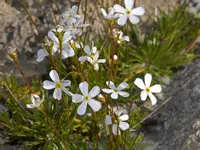
Milkwhite rock jasmine, Androsace lactea, is a small alpine perennial forming low, dense cushions or mats. It produces clusters of starry white flowers above compact rosettes of narrow leaves. Native to European mountain regions, it typically grows in rocky, well-drained habitats with cool summers. This origin means it prefers bright light, steady moisture without waterlogging, and gritty, lean soil. It is considered a plant for rock gardens, troughs, and alpine collections rather than casual borders. Because it dislikes heat, humidity, and heavy soils, it is moderately challenging, especially in warm or wet climates. Understanding how to care for Milkwhite rock jasmine improves long-term success.

Main Plant Requirements

Care Difficulty

Hard Care

Light Preference

Full Sun

Water Requirements

Low Water

Temperature Preference

Cold Hardy

Hardiness Zone

4–7

Soil Texture

Sandy, Loamy, Rocky

Soil pH

Slightly acidic (6.5–7.0), Neutral (7.0)

Soil Drainage

Well-drained

Fertilization

Minimal (feed rarely)

Get Personalized Care Plan

Scan your plant to receive care tips personalized for your specific plant

Available on iOS and Android

How to Care for the Milkwhite rock jasmine

This alpine species needs bright, cool conditions with strong light but protection from harsh heat.

  • Provide 4–6 hours of direct morning sun or soft late-afternoon sun, with light shade during the hottest midday period, especially in warmer climates.
  • Milkwhite rock jasmine tolerates partial shade, but in less than 3–4 hours of sun flowers are fewer and growth becomes looser and more open.
  • In summer, shield from reflected heat and intense afternoon sun to prevent leaf scorch; in winter, maximize exposure to low-angle sun to support compact growth.

Androsace lactea prefers consistent but light moisture in sharply drained soil.

  • Allow the top 2–3 cm of soil or grit to dry before watering; the root zone should feel barely moist, never saturated.
  • In cool spring and fall, water sparingly after dry spells; reduce further in winter, and watch for shriveling leaves as a sign of underwatering.
  • Ensure very free-draining, gritty soil or a rock crevice setting so excess water runs off quickly; yellowing, soft foliage often indicates overwatering or poor drainage.

This alpine plant favors cool conditions and withstands significant cold when kept well drained.

  • Active growth occurs best around 50–65°F (10–18°C), with cooler nights supporting compact rosettes and good flowering.
  • Established plants tolerate down to about 0°F (−18°C) or slightly lower if soil is gritty and not waterlogged, but wet freeze–thaw cycles can damage crowns.
  • Heat tolerance is limited; above 80°F (27°C) provide afternoon shade and excellent air movement, and avoid radiant heat from nearby stone or walls in midsummer.

This alpine species prefers relatively dry air and rarely needs humidity adjustment indoors or outdoors.

  • Aim for 30–50% humidity; typical indoor air in heated homes suits Milkwhite rock jasmine well.
  • Dry air up to 25% is usually tolerated if soil moisture is stable and roots are not waterlogged.
  • True humidity stress shows as limp, pale foliage from combined heat and drought, so improve airflow and shade rather than adding moisture.

Androsace lactea needs sharply drained, gritty soil that mimics an alpine scree.

  • Use a mix of roughly 40% coarse sand or grit, 40% fine gravel, and 20% lean loam or low-peat compost.
  • Ensure water drains through in seconds; standing water or heavy, compacted soil quickly causes root and crown rot.
  • Keep pH slightly alkaline to neutral, around 7.0–7.5, by adding a small amount of crushed limestone or limestone grit if needed.
  • Avoid rich, high-organic mixes, clay, or fine peat that hold water tightly and reduce air around the roots.

This species can be grown in containers, especially troughs or shallow pots that provide sharp drainage.

  • Choose a wide, shallow pot so the fibrous roots can spread horizontally in a thin soil layer, similar to rock crevices.
  • Use a mineral-based top dressing of grit or small gravel to keep the crown dry and reduce surface compaction from watering.
  • Select clay or porous stone containers outdoors to let excess moisture evaporate faster and keep the root zone cool in summer.

This alpine species needs only light feeding, as it is adapted to lean, rocky soils.

  • Apply a low-dose balanced NPK fertilizer at half strength once in early spring if growth appears weak.
  • Use a very thin top-dressing of fine compost rather than heavy organic mulches around Milkwhite rock jasmine crowns.
  • Avoid feeding during summer dormancy or winter to reduce rot risk and excessive soft growth.
  • Ensure soil is well drained and never fertilize into waterlogged or very dry substrate.

Pruning Androsace lactea is minimal and mainly focused on hygiene and maintaining compact form.

  • In late spring, shear off spent flower stalks to keep rosettes tidy and direct energy back to roots.
  • Gently remove dead or rotting leaves with fine scissors to improve air movement and reduce fungal problems.
  • Thin out overcrowded rosettes in tight crevices to maintain good spacing and a low, cushion-like shape.
  • Use clean, sharp snips and avoid tearing tissue, which can create entry points for disease.

This cushion-forming alpine is usually grown in rock gardens or troughs and dislikes frequent disturbance.

  • Transplant in early spring when soil is cool and moist, moving only if growth declines or clumps crowd neighbors.
  • Check containers for roots circling drainage holes or clear crowding before shifting to a slightly larger, shallow pot.
  • Lift plants with a wide soil ball, keeping roots intact and avoiding shaking off all the old substrate.
  • Replant into sharply drained, gritty mix, water lightly, then shade from strong sun for 3–5 days to limit transplant shock.

Androsace lactea is most often propagated from seed, with some growers also dividing older cushions.

  • Sow fresh seed in late summer or autumn, using a gritty, free-draining mix in small pots or trays.
  • Provide cool temperatures and light exposure; some seed benefits from natural winter chilling outdoors.
  • Keep the substrate just moist, never wet, until germination occurs, which may take several weeks.
  • Divide large, healthy clumps in early spring, replanting small rosettes with attached roots into similar gritty soil.

This alpine is reasonably cold hardy in well-drained sites but benefits from some winter protection in wet climates.

  • Tolerates subfreezing temperatures if roots stay dry in sharply drained, gritty soil.
  • Apply a light gravel or grit mulch around crowns to insulate the root zone and shed excess moisture.
  • In very wet or freeze-thaw winters, give overhead cover such as a cold frame to reduce saturation and rot.
  • Move container-grown plants into a cold, bright, frost-free or minimally freezing spot to avoid waterlogged media.

Care Tips

Rock crevice planting

Set plants into narrow rock crevices or between stacked stones so roots stay cool and anchored while rosettes remain exposed to full light and fast drainage, which closely mimics their alpine habitat.

Gritty surface mulch

After planting, top-dress around each rosette with 0.5–1 in of sharp grit or fine gravel to keep leaf bases dry, reduce crown rot, and prevent soil splash that can damage the tight foliage cushions.

Snow and rain shielding

In regions with wet winters, place a clear cold frame lid or temporary rain shield over the planting area from late fall to early spring to keep excess moisture off the crowns while still allowing good light and airflow.

Summer heat buffering

In hotter climates, position plants where they receive afternoon shade from rocks or low walls and consider placing flat stones just east or south of the clumps to buffer soil temperature and reduce heat stress when growing Milkwhite rock jasmine.

Division timing strategy

If clumps become congested, divide only in cool, stable weather (early spring or early fall), keeping each division with several intact rosettes and minimal root disturbance, then replant immediately into pre-moistened gritty media.

Common Pests and Diseases

Powdery mildew

This disease appears as a white, powdery coating on leaves and flower stems, especially in warm, dry air with poor air movement. Symptoms include distorted growth and reduced flowering in tight alpine cushions.

Solution

Remove and discard heavily affected leaves, then increase airflow around the plant by thinning surrounding growth and avoiding overcrowding in rock crevices. Keep foliage dry when watering, avoid high-nitrogen fertilizer, and if needed use a sulfur or potassium bicarbonate fungicide labeled for ornamentals, applied in cool, overcast conditions.

Crown rot

This disease causes the tight rosette center to turn brown, mushy, and collapse, often starting at soil level where moisture lingers around the crown. Symptoms include sudden wilting and dieback, particularly after periods of prolonged wet or waterlogged conditions.

Solution

At the first signs, remove and discard affected plants and any surrounding soggy soil or mulch. Improve drainage with gritty material, raise the planting area, keep the crown slightly above soil level, and water at the base only when the soil has nearly dried, especially important when growing Androsace lactea in troughs or alpine beds.

Red spider mites

These insects are tiny sap-sucking mites that cause fine speckling, dulling, and bronzing of leaves under hot, dry conditions, sometimes with very fine webbing between rosettes. Symptoms include overall loss of vigor and premature leaf drop in stressed plants.

Solution

Increase humidity locally by dampening the surrounding gravel and reduce heat buildup around the cushion, then rinse foliage gently with water to remove mites. For persistent infestations, apply a neem oil or insecticidal soap spray to all leaf surfaces, repeating as the product label directs, and avoid using broad-spectrum insecticides that harm natural predators.

Aphids

These insects cluster on young shoots and flower stems, sucking sap and causing curling, distortion, and sticky honeydew that can attract sooty mold. Symptoms include stunted flower stalks and deformed buds on compact alpine cushions.

Solution

Wash colonies off with a firm stream of water, taking care not to damage the small rosettes. If numbers remain high, treat with insecticidal soap or a light horticultural oil, ensuring full coverage of stems and the undersides of leaves, and discourage ants that protect aphids by controlling them separately.

Botrytis blight

This disease produces soft brown patches on leaves and flowers that quickly develop fuzzy gray mold, especially in cool, damp, and crowded plantings. Symptoms include rosette collapse and rotting flower stems, particularly after long wet spells or overhead watering.

Solution

Remove and discard all infected plant material and any fallen debris around the cushions to reduce spore levels. Improve drainage and spacing, water at soil level in the morning so foliage dries quickly, and in persistent wet weather use a labeled ornamental fungicide for botrytis as a last resort, combined with better ventilation in troughs or cold frames.

Interesting Facts

High alpine specialist

This species is native to high mountain regions of the European Alps, where it grows in rocky limestone screes and alpine turf, often above the tree line in harsh, wind-exposed conditions.

Dense cushion growth

It forms compact, low cushions of narrow, hairy leaves, an adaptation that reduces heat loss and wind damage while trapping a thin layer of warmer, more humid air close to the plant in exposed alpine habitats.

Starry white umbels

Its small white flowers are carried in short-stalked umbels, often with a pale yellowish eye, and typically bloom in summer when snow has receded enough to allow pollinators to reach these high elevations.

FAQs about Milkwhite rock jasmine

Lack of flowers usually comes from too much shade, excess nitrogen fertilizer, or heat and moisture stress. Provide cool conditions, lean gritty soil, and avoid heavy feeding. Deadhead old blooms to direct energy into new buds.

Grow Healthy Plants with Botan Care

Keep your plants happy and healthy with plant identification, disease detection, and easy care guidance.

Botan plant care app — identify plants on mobile

Explore More Plants