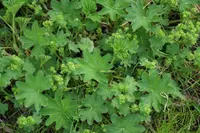
Pinch For Bushiness
Regularly pinch 1–2 cm from the tips of young stems every 2–3 weeks to keep plants compact and to stimulate more flowering shoots for harvest.

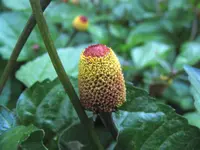
Toothache plant, Acmella oleracea, is a low-growing herb often used as an ornamental and culinary plant. It is known for its yellow, red-tipped cone-shaped flower heads and spreading habit.
This species is native to tropical regions of South America but is now grown in many warm and temperate gardens. Its leaves and flower buds create a tingling, numbing sensation in the mouth.
The plant grows quickly in warm conditions and is generally easy to manage, making it suitable for beginner gardeners. It prefers sunny locations, consistently moist but well-drained soil, and benefits from basic attention on how to care for toothache plant.

Care Difficulty
Easy Care

Light Preference
Full Sun

Water Requirements
Regular Water

Temperature Preference
Tropical / Frost Sensitive

Hardiness Zone
10–12

Soil Texture
Sandy, Loamy, Organic-rich

Soil pH
Acidic (5.5–6.5), Slightly acidic (6.5–7.0)

Soil Drainage
Moist but well-drained

Fertilization
Light (every 4–6 weeks)
Scan your plant to receive care tips personalized for your specific plant
Available on iOS and Android
This species prefers consistent, bright sun to produce abundant leaves and flower buds.
This plant grows best in evenly moist but never waterlogged soil.
This warm-season species needs stable warmth for vigorous growth and flowering.
This species handles a wide humidity range but benefits from moderate moisture in the air.
Acmella oleracea grows best in loose, fertile, consistently moist soil with strong drainage.
This species adapts well to container growing when moisture and root space are managed carefully.
Acmella oleracea responds well to modest feeding during its warm-season growth.
Pruning supports compact growth and continuous flowering in Acmella oleracea.
Transplanting and occasional repotting keep this shallow-rooted herb growing vigorously.
New Acmella oleracea plants are most often raised from seed, with cuttings as a secondary option.
Winter care depends on climate, as this species is frost-sensitive and often grown as an annual.

Plant Health Check
Not sure what's wrong with your plant? Check your plant's health inside the app.
The flower heads contain high levels of spilanthol, an alkylamide compound responsible for the plant’s strong tingling, numbing, and salivating effect in the mouth.
Its smooth, somewhat glossy leaves are shaped and angled to shed water quickly, which helps reduce the time leaf surfaces stay wet and may limit foliar fungal problems in humid climates.
This species grows as a short-lived herb in cooler climates but can behave as a longer-lived, semi-perennial plant in consistently warm, frost-free regions, showing strong sensitivity of its life cycle to temperature.

In some regions of the Amazon basin, this species has been traditionally cultivated in small home gardens as a seasoning and sensory plant, and its unusual mouth-tingling effect has led to its incorporation into modern experimental cuisine and cocktails far beyond its original range.
Lack of flowers usually comes from insufficient light, cool temperatures, low fertility, or letting the soil dry out too much. Regular deadheading, balanced feeding, and strong light are key parts of effective Acmella oleracea care.
Keep your plants happy and healthy with plant identification, disease detection, and easy care guidance.