Burmese Evergreen Care (Aglaonema nitidum)

Burmese Evergreen

About Burmese Evergreen

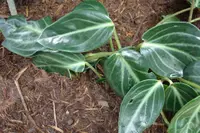
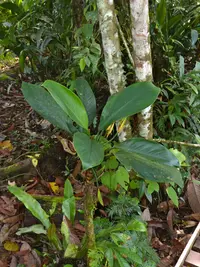
Burmese evergreen, Aglaonema nitidum, is a tropical, shade-loving foliage plant grown mainly for its glossy, lance-shaped leaves. It forms a compact clump that slowly enlarges over time, making it suitable for containers and indoor spaces.

In nature, it occurs on the forest floor in Southeast Asia, where it grows under tree canopies in warm, humid conditions. This background explains its preference for indirect light, evenly moist but not soggy soil, and stable indoor temperatures.

Its slow growth, tolerance of lower light, and generally forgiving nature make it relatively easy to care for Burmese Evergreen, especially for beginners who want a durable foliage plant.

Main Plant Requirements

Care Difficulty

Easy Care

Light Preference

Bright Indirect Light

Water Requirements

Moderate Water

Temperature Preference

Tropical / Frost Sensitive

Hardiness Zone

11–12

Soil Texture

Loamy, Peaty, Organic-rich

Soil pH

Acidic (5.5–6.5), Slightly acidic (6.5–7.0)

Soil Drainage

Moist but well-drained

Fertilization

Light (every 4–6 weeks)

Get Personalized Care Plan

Scan your plant to receive care tips personalized for your specific plant

Available on iOS and Android

How to Care for the Burmese Evergreen

Aglaonema nitidum prefers soft, filtered light that mimics a bright forest floor.

  • Provide bright, indirect light for 6–8 hours daily, such as near an east- or north-facing window with sheer curtains or under light shade outdoors.
  • Tolerates partial to deep shade, but growth slows and new leaves may emerge smaller; rotate the plant if it leans toward the light.
  • Avoid strong midday or afternoon sun, which scorches Burmese Evergreen leaves; increase light slightly in winter to compensate for shorter days.

This species prefers evenly moist but never saturated soil.

  • Water only when the top 2–4 cm of soil feels dry, using enough water so excess runs freely from drainage holes, then discard any standing water.
  • In spring and summer, expect more frequent watering as growth is faster; in autumn and winter, extend intervals as evaporation and growth slow.
  • Watch for yellowing, soft stems or a sour soil smell as signs of overwatering, and for curling, crisp leaf edges as indicators of underwatering or prolonged dryness.

This plant thrives in stable, warm conditions without sudden temperature swings.

  • Aim for 65–80°F (18–27°C) for best growth, keeping temperatures as steady as possible throughout the year.
  • Protect from cold; growth slows below 60°F (16°C) and tissue damage can occur below 50°F (10°C), especially with drafts or cold windowsills.
  • It tolerates brief heat up to about 90°F (32°C) if humidity and watering are appropriate, but it is not frost hardy and must be shielded from freezing conditions.

This species prefers moderately humid air but copes with typical indoor levels if not too dry.

  • Aim for 50–70% humidity, especially in heated or air-conditioned rooms where air dries out.
  • Brown, crispy leaf edges and stalled new growth indicate air is too dry for Burmese Evergreen.
  • Group plants, place the pot on a pebble tray with water, or run a small humidifier nearby to raise humidity.

This species grows best in loose, airy, organic-rich soil that drains quickly yet holds some moisture.

  • Use a peat- or coco-based mix with added perlite and fine bark to create a chunky, well-aerated structure.
  • Target a slightly acidic to neutral pH around 6.0–7.0, which supports nutrient availability for Aglaonema nitidum.
  • Ensure rapid drainage; water should pass through within seconds and not pool on the surface or in the saucer.
  • Avoid heavy garden soil, high clay content, or compacted mixes that stay wet for long periods and suffocate roots.

This species is very suitable for container growing due to its compact root system and moderate growth rate.

  • Choose a pot just 2–5 cm wider than the root ball to keep moisture levels stable and prevent sour, unused mix.
  • Select a sturdy, heavier container if foliage becomes tall, as this reduces the risk of the plant tipping over.
  • Opt for slightly porous materials like unglazed clay when faster drying is needed, or glazed ceramic where moisture retention is helpful.

This species benefits from modest, consistent feeding during the warm growing months for balanced foliage growth.

  • Use a balanced liquid fertilizer (around 10-10-10 or 20-20-20) at 1/4–1/2 strength for Burmese Evergreen.
  • Apply every 4–6 weeks in spring and summer on moist soil to avoid root burn.
  • Stop feeding in fall and winter when growth slows, unless under strong artificial light.
  • Slow-release granules or a thin layer of compost can substitute for frequent liquid feeding.

Light pruning keeps Aglaonema nitidum tidy and maintains dense, attractive foliage.

  • Best time is late winter to early spring, before strong new growth starts.
  • Remove yellow, dead, or damaged leaves at the base with clean, sharp scissors or pruners.
  • Thin out weak or crowded stems to improve airflow and light reaching inner leaves.
  • Tip back overly tall stems just above a node to encourage branching and a fuller shape.

This plant grows well in containers and benefits from occasional repotting to refresh soil and manage root crowding.

  • Check for roots circling the pot, pushing out of drainage holes, or unexplained slow growth as signals to repot.
  • Plan to repot every 2–3 years in spring, moving up only 2–5 cm in pot diameter.
  • Use a well-draining, peat-free indoor mix and keep roots as intact as possible when shifting pots.
  • Water lightly after repotting, keep in bright, indirect light, and avoid heavy fertilizing for 3–4 weeks to reduce stress.

New plants are most reliably produced by division and stem cuttings taken during the active growing season.

  • In spring or early summer, divide crowded clumps, keeping several stems and healthy roots per division.
  • For stem cuttings, select firm, non-flowering stems with at least 2–3 nodes.
  • Root cuttings in warm (70–80°F), humid conditions using moist, well-draining mix and bright, indirect light.
  • Maintain high humidity, gentle bottom warmth if possible, and avoid waterlogging to prevent rot while roots establish.

This tropical species lacks frost tolerance and needs warm, stable indoor conditions in winter.

  • Keep indoor temperatures around 65–75°F, never below 55°F for extended periods.
  • Move any container plants indoors before nights drop below 55°F and place away from drafts or heater vents.
  • Use a light mulch layer on outdoor-planted specimens in very mild climates to insulate the root zone.
  • Reduce watering, allowing the top layer of soil to dry slightly more while maintaining some humidity around the plant.

Care Tips

Rotate For Symmetry

Turn the pot 90° every 2–3 weeks to prevent lopsided growth and maintain a full, even crown, especially in rooms with windows on only one side.

Use Stabilizing Cachepot

Place the nursery pot inside a heavier ceramic cachepot with side space filled by clay pebbles to keep the plant stable as stems elongate and to reduce the risk of accidental tipping.

Leaf Cleaning Routine

Wipe leaves monthly with a barely damp, soft cloth and support each leaf from below with your hand so dust removal improves light capture without bending or cracking the foliage.

Controlled Clump Renewal

Every 2–3 years, unpot the plant and remove 1–2 of the oldest, bare-stemmed canes at the base, then reset the remaining root ball in fresh mix to keep the clump dense and youthful.

Prevent Floor Draft Stress

If the pot sits on the floor, raise it 5–10 cm on a stand or tray so the foliage is lifted above cold air streams from doors, vents, or air conditioning, which supports more stable growth when caring for Burmese Evergreen.

Common Pests and Diseases

Mealybugs

This pest often hides in leaf axils and along stems, sucking sap and causing yellowing, distortion, and sticky honeydew deposits. Symptoms include slowed growth and cottony white clusters on protected parts of the plant.

Solution

Isolate the plant, then wipe all visible insects with cotton swabs dipped in isopropyl alcohol and wash foliage with lukewarm soapy water. Improve spacing and reduce excess nitrogen fertilizer, then repeat alcohol swabs weekly and, if needed, apply a systemic insecticide labeled for indoor foliage plants according to Burmese Evergreen care instructions.

Spider mites

These insects thrive in warm, dry indoor air and feed on leaf undersides, causing fine stippling, dull foliage, and, in heavier infestations, fine webbing between leaves and stems. Symptoms include leaves that lose their glossy texture and may take on a grayish cast.

Solution

Rinse the plant thoroughly in the shower or sink, focusing on leaf undersides, and gently wipe with a damp cloth to remove mites and webbing. Increase humidity to 50–60%, avoid placing the plant next to heating vents, and use repeated applications of insecticidal soap or horticultural oil on both sides of leaves every 7–10 days until no new damage appears.

Aphids

These insects cluster on soft new growth and the undersides of leaves, sucking sap and causing curling, distortion, and sticky honeydew that can lead to sooty mold. This pest is more common on plants grown in lower light with soft, tender foliage.

Solution

Move the plant to a sink or shower and spray with a firm stream of lukewarm water to dislodge insects, then prune heavily infested shoot tips. Follow with insecticidal soap or a low-toxicity contact spray labeled for indoor ornamentals, and repeat every 5–7 days until new growth appears clean.

Bacterial leaf blight

This disease causes water-soaked, translucent spots on leaves that rapidly enlarge, often with yellow halos and irregular edges, especially under warm, humid conditions and on wet foliage. Symptoms include sudden collapse of affected leaf areas and a foul odor if tissue is badly infected.

Solution

Remove and discard all affected leaves with sterilized tools, avoid overhead watering, and keep foliage dry by watering at the soil level in the morning. Improve air circulation around the plant, reduce humidity spikes, and if multiple plants are affected, discard severely infected specimens and disinfect pots and tools with a 10% bleach solution.

Anthracnose

This disease produces tan to dark brown dead patches on leaves, often starting at the tips or edges and sometimes showing concentric rings or dark margins. Symptoms include slow spread under drier conditions but faster progression when humidity and leaf wetness are high.

Solution

Trim out all infected leaf parts and discard them, sterilizing pruning tools between cuts. Reduce humidity around the foliage, avoid misting, improve air movement, and, where allowed, use a copper-based or other labeled fungicide for ornamental foliage, applying according to label directions and only to healthy, non-stressed plants.

Interesting Facts

Naturally glossy foliage

This species has characteristically shiny, dark green leaves with a smooth, almost polished surface, which inspired the epithet nitidum, meaning shining in Latin. The natural gloss helps it shed water and surface dust more easily in its humid native habitats.

Deep shade specialist

In its native Southeast Asian forests, this plant grows on the dim forest floor, often under very dense canopy. It uses relatively large leaf blades and efficient low-light photosynthesis to maintain growth where direct sun rarely reaches.

Calcium oxalate defense

Like many Araceae, this species stores calcium oxalate as tiny needle-like crystals called raphides in its tissues. These crystals deter herbivores by causing irritation when the plant is chewed.

Botan icon

Did you know?

Aglaonema nitidum is naturally distributed across a broad swath of tropical Southeast Asia, from Thailand and Peninsular Malaysia through Borneo and surrounding regions, where it forms part of the understory flora in lowland rainforests and limestone hill forests, often marking consistently warm, humid microclimates with year-round canopy cover.

FAQs about Burmese Evergreen

Growth is moderately slow. Under stable indoor conditions, it usually adds 5–15 cm of height per year. Expect fuller appearance over several years rather than rapid size changes, especially in low to medium light locations.

Grow Healthy Plants with Botan Care

Keep your plants happy and healthy with plant identification, disease detection, and easy care guidance.

Botan plant care app — identify plants on mobile

Explore More Plants