Rootstock selection
Choose a grafted plant on a suitable rootstock such as Flying Dragon or trifoliate orange if available, as these control tree size, improve cold tolerance, and often increase disease resistance compared with seed-grown plants.

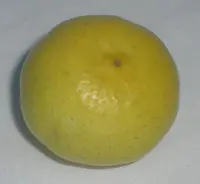
Key lime, Citrus × aurantiifolia, is a small, evergreen citrus tree grown for its aromatic, thin-skinned green to yellow fruits. It usually has a rounded, bushy habit with small leaves and often bears sharp thorns on its branches.
The species likely originated in Southeast Asia and is now widely cultivated in tropical and subtropical regions, including parts of the southern United States. Fruits are valued for their strong, acidic juice used in cooking and drinks.
This plant prefers bright light, warm temperatures, and well-drained soil, and it is somewhat sensitive to cold and overwatering. Understanding how to care for Key Lime helps prevent problems like leaf drop, poor flowering, and reduced fruiting.

Care Difficulty
Moderate Care

Light Preference
Full Sun

Water Requirements
Moderate Water

Temperature Preference
Tropical / Frost Sensitive

Hardiness Zone
9–11

Soil Texture
Sandy, Loamy, Organic-rich

Soil pH
Acidic (5.5–6.5), Slightly acidic (6.5–7.0)

Soil Drainage
Well-drained

Fertilization
Moderate (every 2–4 weeks)
Scan your plant to receive care tips personalized for your specific plant
Available on iOS and Android
This citrus tree needs strong light to flower and fruit well.
This species prefers deep, infrequent watering with well-drained soil.
This citrus thrives in warm, frost-free conditions with only moderate temperature swings.
This citrus prefers moderate indoor humidity but copes with typical household air if other needs are met.
This species needs sharply draining, airy soil that stays slightly moist but never waterlogged.
This species is well suited to container growing when root space and drainage are managed carefully.
Citrus × aurantiifolia responds well to consistent, moderate feeding during its active growing season.
Pruning Citrus × aurantiifolia keeps the canopy healthy, productive, and easier to manage.
Container-grown Citrus × aurantiifolia benefits from occasional repotting to maintain root health and growth.
Citrus × aurantiifolia is most commonly propagated by semi-hardwood cuttings, with seeds also used for rootstocks or experimentation.
Citrus × aurantiifolia is frost sensitive and needs thoughtful winter care in most temperate climates.

Plant Health Check
Not sure what's wrong with your plant? Check your plant's health inside the app.
This key lime is a natural hybrid, derived from a cross between citron (Citrus medica) and papeda-type limes (often Citrus micrantha), which helps explain its strong acidity and distinct aroma compared with sweet oranges or lemons.
The peel contains essential oils rich in compounds such as limonene and citral, which give the fruit its sharp, complex fragrance that is noticeably more floral and spicy than the aroma of Persian lime (Citrus × latifolia).
This species is notably more sensitive to cold temperatures than many other commonly grown citrus, and even brief exposure to near-freezing conditions can damage young shoots and flowers, which influences where it can be grown commercially.

Key lime became closely associated with traditional Key lime pie in the Florida Keys because early settlers relied on this specific species, which tolerated the region’s sandy, alkaline soils and salty coastal winds better than many other fruit trees, long before refrigeration made imported citrus widely available.
Lack of flowers usually comes from insufficient light, overfertilizing with high nitrogen, or the tree being too young. Cool winter rest, proper pruning, and balanced fertilizer help trigger buds and support Citrus × aurantiifolia care.
Keep your plants happy and healthy with plant identification, disease detection, and easy care guidance.