seasonvine Care (Cissus verticillata)

Also known as: Possum grape, pudding bush
seasonvine

About seasonvine

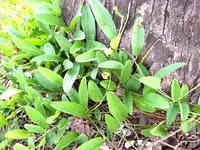
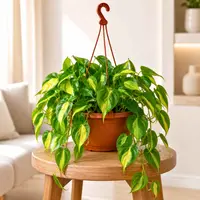
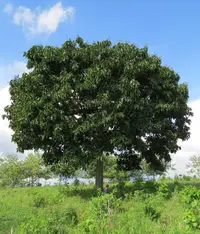
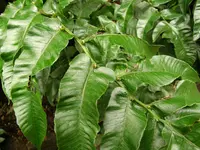
Seasonvine, Cissus verticillata, is a vigorous, climbing vine in the grape family. It is often grown for its fast growth and dense, trailing foliage. Stems can become woody with age, and the plant may form long, hanging curtains of green when given support or a high shelf. In the wild it occurs in tropical and subtropical regions of the Americas, where it scrambles over trees and shrubs. This strong growth habit makes it resilient but also somewhat sprawling in containers. It generally prefers bright, filtered light, regular moisture, and a free-draining potting mix, which makes it relatively straightforward for those learning how to care for seasonvine.

Main Plant Requirements

Care Difficulty

Moderate Care

Light Preference

Partial Shade

Water Requirements

Moderate Water

Temperature Preference

Tropical / Frost Sensitive

Hardiness Zone

10–12

Soil Texture

Sandy, Loamy, Organic-rich

Soil pH

Acidic (5.5–6.5), Slightly acidic (6.5–7.0)

Soil Drainage

Moist but well-drained

Fertilization

Light (every 4–6 weeks)

Get Personalized Care Plan

Scan your plant to receive care tips personalized for your specific plant

Available on iOS and Android

How to Care for the seasonvine

Cissus verticillata grows best in bright, filtered light that mimics a forest edge.

  • Aim for 4–6 hours of bright, indirect light or gentle morning sun, with protection from harsh midday and afternoon rays to avoid leaf scorch.
  • Tolerates partial shade, especially in hot climates, but very deep shade leads to weak, elongated stems and sparse foliage on seasonvine.
  • Outdoors, give dappled light under taller plants; indoors, place near an east or bright north window and rotate the pot every 1–2 weeks for even growth.

This vine prefers evenly moist, well-drained soil that never stays soggy for long.

  • Water when the top 2–4 cm of soil feels dry, using enough water so some drains away, then let excess escape fully.
  • In warm growing seasons and active growth, expect more frequent watering; reduce frequency in cooler months when growth slows and soil dries more slowly.
  • Soft, yellowing leaves and a sour soil smell suggest overwatering, while crisp edges, drooping stems, and very light pots indicate underwatering in Cissus verticillata.

This species prefers warm, stable conditions typical of subtropical and tropical climates.

  • Ideal growth occurs at 65–80°F (18–27°C), where stems extend rapidly and leaves remain full and glossy.
  • Minimum safe temperatures are around 50°F (10°C); brief dips slightly below may be tolerated, but repeated cold stress slows growth and can damage foliage.
  • Completely avoid frost, as tissue is easily killed below 32°F (0°C); in heat above 90°F (32°C), increase shade and airflow to prevent leaf scorch and wilting.

This vine prefers moderate to high humidity and reacts quickly to very dry air.

  • Aim for 50–70% humidity to reduce leaf edge browning and curling.
  • It tolerates brief dips to 30–40%, but prolonged dry air causes crisp tips and slower growth.
  • Increase humidity by grouping plants, using a nearby humidifier, or placing the pot on a pebble tray above, not in, water.

This species prefers airy, moisture-retentive but fast-draining soil.

  • Use a loose mix such as 50% peat- or coco-based potting mix, 25% compost, and 25% perlite or fine bark for structure and aeration.
  • Aim for slightly acidic to neutral pH around 6.0–7.0, which supports nutrient uptake for Cissus verticillata.
  • Avoid dense, heavy clay or compacted soil that stays wet and excludes air from the roots.
  • Improve drainage in outdoor beds by raising the planting area and mixing in coarse sand or fine pine bark.

This species is well suited to container growing when the pot supports its vigorous vining habit.

  • Choose a wide, heavy container to counterbalance the vine’s climbing mass and prevent tipping in wind or when trellised.
  • Select slightly porous materials like unglazed clay if the plant sits in a humid, shaded spot to reduce waterlogging risk.
  • Provide a sturdy trellis or support fixed firmly into the pot so roots are not disturbed when the vine gains weight.

Cissus verticillata grows vigorously and benefits from moderate, balanced feeding during the warm growing season.

  • Use a balanced liquid fertilizer (for example 10-10-10) at 1/2 strength every 4–6 weeks in spring and summer.
  • Alternatively, apply a slow-release fertilizer or thin layer of compost on the soil surface at the start of spring.
  • Pause feeding in late fall and winter when growth slows, especially for seasonvine grown indoors.
  • Flush the pot with plain water a few times each season to reduce salt buildup from fertilizers.

Cissus verticillata responds well to thoughtful pruning that controls size and keeps the vine dense and healthy.

  • Carry out main pruning in late winter or early spring before vigorous new growth starts.
  • Remove dead, damaged, crossing, or very tangled stems to improve airflow and light penetration.
  • Shorten excessively long shoots to shape the plant and encourage branching from lower nodes.
  • Use clean, sharp pruners and make cuts just above a leaf node to reduce dieback risk.

This fast-growing vine benefits from timely repotting or transplanting to prevent root congestion and decline.

  • Check for roots circling the pot, pushing through drainage holes, or for slowing growth as signs it needs a larger container.
  • Repot every 2–3 years in late spring, moving to a pot 2–5 cm wider with fresh, well-drained mix.
  • Handle the root ball gently, loosening only the outer roots and trimming broken ones to limit stress.
  • Water thoroughly after repotting, then keep in bright, indirect light for 7–10 days to help recovery.

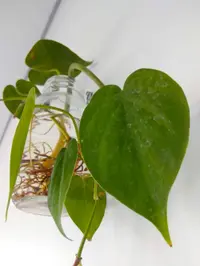
New Cissus verticillata plants are most often raised from stem cuttings taken during the active growing season.

  • Take 8–12 cm softwood or semi-ripe cuttings in late spring or summer, each with 2–3 nodes.
  • Remove lower leaves, dip the cut end in rooting hormone, and insert into moist, well-drained propagation mix.
  • Keep cuttings in bright, indirect light at 70–80°F with high humidity using a clear cover or propagation dome.
  • Layering long stems onto soil, pegged and lightly covered, is another reliable method for how to take care of seasonvine propagation needs.

This tropical vine is frost sensitive and needs protection in regions with cold winters.

  • Keep outdoor plants only in frost-free climates; otherwise grow in containers for easy seasonal movement.
  • Before first frost, move potted plants indoors to bright, indirect light and temperatures above 55°F.
  • In mild climates, apply a 5–8 cm mulch layer over the root zone to moderate soil temperature.
  • Reduce watering in winter, allowing the top layer of soil to dry, and avoid feeding until growth resumes.

Care Tips

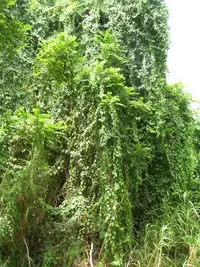
Provide climbing support

Install a sturdy trellis, wire grid, or hanging wires early and gently tie young shoots with soft ties so the vine can anchor and create a stable, well-shaped framework instead of tangling on itself.

Regular tendril management

Inspect and redirect or trim overly long tendrils every 2–3 weeks to prevent them from strangling nearby stems or neighboring plants, which keeps the vine easier to manage and reduces breakage.

Segmented repotting method

When the plant becomes rootbound, divide the root ball into 2–3 sections and pot them separately rather than moving everything into one very large container, which maintains stronger root function and more compact, manageable vines.

Targeted pest scouting

Check the underside of leaves and along tendrils and nodes using a hand lens every few weeks, focusing on areas of sticky residue or webbing, and treat early with a horticultural soap if mealybugs, scale, or spider mites are detected.

Controlled propagation pruning

Use seasonal tip cuttings of 8–12 cm with 2–3 nodes for propagation, and take them from overly long or leggy stems to both create new plants and keep the mother plant dense and well branched while growing seasonvine.

Common Pests and Diseases

Spider mites

This pest often appears on seasonvine grown in warm, dry indoor or greenhouse conditions, causing fine webbing and pale, stippled leaves that may eventually dry and drop. Symptoms include slowed growth and a dull, dusty look on foliage.

Solution

Rinse foliage thoroughly with a strong but gentle stream of water, including leaf undersides, then repeat every few days until activity drops. For persistent infestations, use insecticidal soap or neem oil, increase ambient humidity to 40–60%, and isolate heavily infested plants to limit spread.

Scale insects

These insects attach along stems and leaf veins as small, rounded bumps and feed on sap, leading to yellowing, sticky honeydew deposits, and sooty mold development. Symptoms include weakened vines and reduced new growth.

Solution

Physically remove visible scale with a cotton swab dipped in isopropyl alcohol, then wash the plant with lukewarm water and mild insecticidal soap. Repeat treatments every 7–10 days until no new scale appears and prune heavily infested stems to reduce population quickly.

Leaf spot

This disease produces irregular brown or tan spots with darker margins on leaves, often starting on older foliage where humidity is high and air circulation is poor. Symptoms include premature leaf yellowing and drop if many spots merge.

Solution

Remove and discard affected leaves, then improve air movement around the plant and avoid wetting the foliage during watering. If spotting continues, apply a copper-based fungicide labeled for ornamental vines according to directions and keep the plant on a drier leaf surface regime.

Powdery mildew

This disease shows as white, powdery patches on upper leaf surfaces and tender stems, often in warm conditions with high humidity and low airflow. Symptoms include distorted new growth and a general decline in vigor if not corrected.

Solution

Increase air circulation and avoid crowding plants, then remove and discard the most affected leaves to reduce spore load. Treat remaining foliage with a sulfur or potassium bicarbonate product labeled for powdery mildew, and keep the plant in bright, indirect light with moderate humidity to limit recurrence.

Interesting Facts

Climbing with tendrils

This species climbs by producing forked tendrils opposite its leaves, allowing it to scramble over shrubs and trees in tropical and subtropical habitats from Florida through Central and South America.

Distinctive grape-like berries

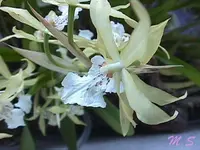
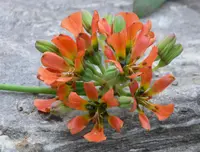
Its flowers are small and inconspicuous, but they develop into clusters of fleshy, grape-like berries that turn dark purple to black when mature and are eaten by birds that help spread the seeds.

Highly variable growth form

In favorable, humid conditions it can form very long, almost liana-like vines, while in more exposed or disturbed sites it often appears as a lower, shrubby climber spreading through roadside vegetation and thickets.

Botan icon

Did you know?

In parts of its natural range, this species can behave as an aggressive colonizer of disturbed areas, rapidly covering fences, shrubs, and young trees, which has led some regions to monitor or restrict its planting to prevent it from becoming a problematic invasive climber.

FAQs about seasonvine

This species can spread quite vigorously in warm, frost-free climates, using long trailing or climbing stems and rooting at nodes. In suitable conditions it may become weedy outdoors, so regular pruning and monitoring are important to keep growth controlled.

Grow Healthy Plants with Botan Care

Keep your plants happy and healthy with plant identification, disease detection, and easy care guidance.

Botan plant care app — identify plants on mobile

Explore More Plants