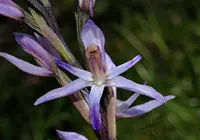
Bomarea ovallei Care

Bomarea ovallei

About Bomarea ovallei

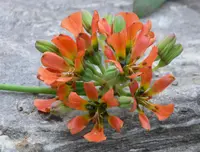
Bomarea ovallei is a rare, tuberous perennial climber from coastal Chile, valued for its showy clusters of bell-shaped, orange to reddish flowers. It grows as a scrambling vine with slender stems and narrow green leaves, often needing support to display its blooms well.

In nature, this species occurs in dry, rocky hillsides with cool, mild conditions and good air movement. Its sensitivity to excessive heat, root disturbance, and poor drainage makes it moderately challenging for beginners.

Those who care for Bomarea ovallei successfully usually provide bright, indirect light, consistently moist but not waterlogged soil, and protection from extreme temperatures and strong drying winds.


Main Plant Requirements

Care Difficulty

Hard Care

Light Preference

Full Sun

Water Requirements

Regular Water

Temperature Preference

Cool Climate

Hardiness Zone

8–9

Soil Texture

Sandy, Loamy, Rocky

Soil pH

Acidic (5.5–6.5), Slightly acidic (6.5–7.0)

Soil Drainage

Well-drained

Fertilization

Minimal (feed rarely)

Get Personalized Care Plan

Scan your plant to receive care tips personalized for your specific plant

Available on iOS and Android

How to Care for the Bomarea ovallei

This climbing species prefers strong light but not harsh, all-day exposure.

  • Provide 4–6 hours of direct morning sun with bright, filtered light the rest of the day, especially in summer.
  • Allow light afternoon shade in hot climates; strong sun after 1–2 p.m. can scorch leaves and fade flowers on Bomarea ovallei.
  • In cooler months, choose the brightest spot available; stems stretching or sparse flowering indicate it needs more sun.

This tuberous climber prefers evenly moist, never soggy soil.

  • Water when the top 2–4 cm of soil feel dry, applying enough to moisten the full root zone, then let excess drain away.
  • Use deep, well-drained soil; yellowing, soft stems suggest overwatering, while crisp leaf edges and drooping foliage point to underwatering.
  • Reduce watering in late fall and winter as growth slows, but do not allow the soil to dry out completely around the tubers of Bomarea ovallei.

This species grows best in mild, frost-free conditions with moderate summer heat.

  • Target 60–75°F (16–24°C) for active growth, which supports steady vining and flowering.
  • Protect from cold; growth slows below 50°F (10°C) and tubers can be damaged if exposed to frost near 32°F (0°C).
  • In hot spells above 85°F (29°C), provide afternoon shade and consistent soil moisture to limit heat stress and leaf scorch.

This species benefits from moderately moist air similar to mild coastal or woodland conditions.

  • Target 50–70% humidity, as very dry heated rooms can slow growth and crisp leaf edges.
  • Bomarea ovallei tolerates short dry spells but prolonged humidity below 40% may cause leaf tip browning and bud drop.
  • Increase humidity with a nearby open tray of water and stones or by grouping plants, rather than misting leaves directly.

This tuberous climber needs loose, moist but well-drained soil that never stays waterlogged.

  • Use a light loamy mix with roughly 40% compost, 30% fine bark, 20% perlite, and 10% coarse sand for structure and drainage.
  • Aim for slightly acidic to neutral pH around 6.0–7.0 to support nutrient availability and healthy root growth.
  • Improve aeration by increasing perlite or pumice if the mix compacts or dries slowly after watering.
  • Avoid heavy clay, peat-only mixes, or any soil that forms puddles or sour odors after thorough watering.

This species adapts well to container growing when the pot supports its deep, tuberous root system and climbing habit.

  • Choose a tall, heavy container to accommodate downward root growth and prevent tipping as the vine gains height.
  • Select thick-walled terracotta or other breathable materials to moderate moisture swings in outdoor sun and wind.
  • Secure a sturdy trellis or obelisk firmly inside the pot so climbing stems do not lever or crack the container in strong wind.

Nutrient inputs support flowering and tuber health in Bomarea ovallei when grown in containers or poor soil.

  • Use a balanced liquid fertilizer (for example 10-10-10) at 1/2 strength every 3–4 weeks during active spring–summer growth.
  • Alternatively, mix slow-release granules into the topsoil at the start of the growing season for steady feeding.
  • In rich garden soil, rely mainly on compost or leaf mold, applying a thin layer once each spring.
  • Stop feeding in late fall and winter when growth slows or foliage dies back, to avoid weak, leggy shoots.

Thoughtful pruning keeps Bomarea ovallei flowering well and prevents stems from tangling excessively.

  • Cut back dead, diseased, or storm-damaged stems at the base as soon as they are noticed, using clean, sharp pruners.
  • In late winter or very early spring, thin out the oldest, weakest vines to improve air flow and light penetration.
  • Lightly shorten excessively long shoots after flowering to manage size and support, without removing too many buds.
  • Always disinfect blades before and after work to reduce the spread of fungal or bacterial problems.

Container-grown plants benefit from periodic transplanting to maintain root health and stable flowering.

  • Check for roots circling inside the pot, difficulty wetting the root ball, or slowed growth as signs it is time to move Bomarea ovallei.
  • Plan repotting or garden transplanting in early spring, just before strong new shoots emerge.
  • Shift into a container only 1–2 in wider, using a well-drained, humus-rich mix to limit waterlogging around tubers.
  • Handle tubers gently, keep them at the same depth, water thoroughly, then shade for a few days to reduce transplant shock.

New plants are usually raised from seeds or by careful division of mature clumps.

  • Sow fresh seed in late winter–early spring in a free-draining, slightly moist mix at 60–70°F, since older seed loses viability.
  • Provide bright, indirect light and steady moisture; germination may be slow and uneven over several weeks.
  • For division, split established tuberous clumps in early spring, ensuring each piece carries at least 1–2 healthy buds.
  • Replant divisions at original depth, water well, and keep them lightly shaded until strong new growth appears.

Winter care is important where temperatures drop below the tolerance of this Chilean tuberous climber.

  • Bomarea ovallei handles only light, brief frosts; prolonged freezes can kill tubers.
  • In the ground, apply a 7–10 cm layer of dry mulch over the root zone in late fall, keeping it off stems.
  • In colder areas, lift tubers after foliage dies back, store them cool and dry, or move containers into a frost-free space.

Care Tips

Provide climbing support

Install a sturdy trellis, wire frame, or mesh panel 1.5–2 m high before new shoots emerge in spring so the vines can be gently tied and trained upward as they grow, which prevents stem breakage and improves flowering display.

Cool root zone

Mulch the root area with 3–5 cm of fine bark or composted wood chips and avoid dark stone mulches so the roots stay cool and evenly moist, which this species prefers in summer heat.

Seasonal lift and divide

Every 3–4 years, lift the tuberous clumps during late dormancy, divide only firm, healthy tubers with several buds, and replant them at the same depth to maintain vigor and reduce congestion in containers or beds.

Slug and snail exclusion

Protect emerging shoots in spring with physical barriers such as copper tape around pots or low collar rings and hand-pick slugs/snails after dusk, since early grazing can severely reduce vine growth and flowering.

Ventilation for disease control

Space plants so foliage can dry quickly after rain and, in sheltered spots, use a simple wire frame to keep stems slightly separated, which helps reduce fungal leaf spots when growing Bomarea ovallei in humid climates.

Common Pests and Diseases

Spider mites

This pest often appears in warm, dry conditions and can cause stippled, yellowing leaves and fine webbing on new growth.

Solution

Rinse foliage thoroughly with a strong stream of water, focusing on leaf undersides, then maintain higher humidity and cooler conditions; if needed, apply insecticidal soap or horticultural oil at 7–10 day intervals until no new damage appears.

Aphids

These insects cluster on soft shoots and flower stems, sucking sap and causing distorted growth, sticky honeydew, and sooty mold on leaves.

Solution

Prune off heavily infested tips, wash remaining stems and leaves with water, then use insecticidal soap or a low-toxicity systemic product labeled for ornamental vines, checking flower clusters frequently during active growth when growing Bomarea ovallei outdoors or under cover.

Leaf spot

This disease causes small brown, purple, or tan lesions on leaves that may merge into larger patches, leading to premature leaf drop in humid or poorly ventilated conditions.

Solution

Remove and discard affected leaves, avoid overhead watering, and improve air circulation around the vine; in recurrent cases, apply a copper-based or other labeled ornamental fungicide at the first appearance of new spots during the growing season.

Botrytis blight

This disease produces soft, brown, water-soaked areas on leaves, buds, and flowers, often covered with gray fuzzy mold under cool, damp conditions.

Solution

Cut off and destroy all infected tissue, increase airflow, reduce humidity around the foliage, and space vines so foliage dries quickly; during prolonged wet or cool spells, protect young shoots and flower buds with a suitable ornamental fungicide if past infections have been severe.

Interesting Facts

Coastal Atacama specialist

This species is naturally restricted to fog-influenced coastal hills of the Atacama Desert in northern Chile, where it survives in one of the driest regions on Earth by relying heavily on moisture from coastal mists rather than regular rainfall.

Tuberous desert climber

Although it grows in a hyper-arid environment, it forms underground tubers that store water and nutrients, allowing it to behave as a scrambling or climbing vine when seasonal conditions are favorable.

Conservation concern status

Bomarea ovallei is considered threatened in its native range due to its very narrow distribution and habitat disturbance, so wild populations are monitored and ex situ collections are used to help safeguard the species.

Botan icon

Did you know?

Unlike most species in its mainly tropical genus, Bomarea ovallei is adapted to a cool, foggy desert climate, making it one of the most environmentally distinctive members of the group and of special interest for studies on how plants evolve to use fog as a primary water source.

FAQs about Bomarea ovallei

Lack of flowering usually comes from insufficient winter chill, overly rich nitrogen fertilizer, or young age. This species often needs a cool, slightly drier rest period before producing strong flowering shoots the following season.

Grow Healthy Plants with Botan Care

Keep your plants happy and healthy with plant identification, disease detection, and easy care guidance.

Botan plant care app — identify plants on mobile

Explore More Plants