kangaroo vine Care (Cissus antarctica)

Also known as: kangaroo ivy, Water Vine
kangaroo vine

About kangaroo vine

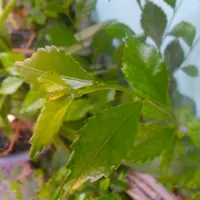
Kangaroo vine, Cissus antarctica, is an evergreen climbing plant grown for its glossy, leathery leaves and flexible, trailing or scrambling stems. It can be trained on trellises, allowed to cascade from hanging containers, or used as a dense screen in mild climates. Native to coastal forests of eastern Australia, it naturally grows in sheltered, humid environments with moderate light. The plant is considered relatively forgiving, which makes it suitable for beginners learning how to care for kangaroo vine. It prefers bright, indirect light, evenly moist but not waterlogged soil, and protection from harsh cold or very dry air.

Main Plant Requirements

Care Difficulty

Moderate Care

Light Preference

Partial Shade

Water Requirements

Moderate Water

Temperature Preference

Warm Climate

Hardiness Zone

9–11

Soil Texture

Loamy, Sandy, Organic-rich

Soil pH

Acidic (5.5–6.5), Slightly acidic (6.5–7.0)

Soil Drainage

Moist but well-drained

Fertilization

Light (every 4–6 weeks)

Get Personalized Care Plan

Scan your plant to receive care tips personalized for your specific plant

Available on iOS and Android

How to Care for the kangaroo vine

This species prefers bright, gentle light similar to an open woodland edge.

  • Provide 3–5 hours of soft morning sun with bright, filtered light the rest of the day; avoid harsh afternoon sun, especially in summer.
  • Kangaroo vine tolerates partial shade, but in very low light stems stretch, leaves shrink, and foliage loses density over time.
  • Outdoors, protect from reflective heat and hot western exposure; indoors, place near an east or bright north window, rotating seasonally as sun angles change.

Watering should aim for consistently lightly moist but never waterlogged soil.

  • Before watering, let the top 2–4 cm of soil dry; check with a finger rather than following a fixed schedule.
  • In spring–summer, expect more frequent watering as growth and evaporation increase; in fall–winter, allow slightly deeper drying to reduce root stress.
  • If leaves yellow and feel soft, suspect overwatering or poor drainage; if leaves crisp, curl, or wilt and soil is very dry, Cissus antarctica is likely underwatered.

This vine prefers mild, frost-free conditions with only moderate heat.

  • Aim for 60–75°F (16–24°C) for steady growth; short peaks to 80–85°F (27–29°C) are tolerated if shade and moisture are adequate.
  • Protect from cold; growth slows below about 50°F (10°C), and frost at 32°F (0°C) or lower can damage or kill foliage.
  • In regions with cool winters, grow in a sheltered, frost-free spot or container that can be moved, avoiding hot, reflected-sun walls in peak summer heat.

This species benefits from moderate humidity and reacts if air stays too dry.

  • Aim for 40–60% humidity for balanced growth and less leaf drop in kangaroo vine.
  • Leaves curling, browning at edges, or crisp tips often indicate air is too dry.
  • Increase humidity by grouping plants, placing the pot on a pebble tray with water, or using a small room humidifier nearby.

This vine prefers a loose, well-aerated mix that drains freely yet holds some moisture.

  • Use a peat- or coco-based mix with added compost for organic matter and moderate moisture retention.
  • Improve drainage and aeration by blending in 20–40% perlite or fine bark chips so roots receive enough oxygen.
  • A slightly acidic to neutral pH around 6.0–7.0 suits Cissus antarctica and supports nutrient uptake.
  • Avoid dense garden soil, heavy clay, or mixes that stay soggy, which promote root rot and slow growth.

This species grows reliably in containers when the pot supports its vining habit and moisture needs.

  • Choose a stable, relatively wide pot so the vine can trail without tipping as foliage becomes heavier on one side.
  • Select terracotta or other breathable materials if the mix stays wet too long, or plastic if it dries very quickly in your climate.
  • Ensure large, unobstructed drainage holes so excess water exits immediately and the lower root zone never sits in a water pocket.

This vine responds well to light, consistent feeding during its active growing season.

  • Use a balanced liquid fertilizer (around 10-10-10 or 20-20-20) diluted to 1/2 strength for kangaroo vine in pots.
  • Apply every 4–6 weeks in spring and summer when growth is strongest.
  • Pause or reduce feeding to 1 light application in late fall for indoor plants; do not feed dormant outdoor plants in winter.
  • Compost or a slow-release granular fertilizer can be mixed into the topsoil in spring for steadier nutrition.

Cissus antarctica benefits from occasional pruning to manage size and encourage bushier growth.

  • Time main pruning for late winter or early spring before vigorous new growth starts.
  • Use clean, sharp scissors or pruners to remove dead, damaged, or diseased stems back to healthy tissue.
  • Shorten overly long, leggy vines to a leaf node to thicken the plant and control spread.
  • Thin crowded stems by cutting some back to the base to improve light and air flow through the canopy.

Container-grown plants appreciate repotting only when root-bound to maintain healthy, balanced growth.

  • Check for roots circling the pot, pushing out of drainage holes, or slowed growth as signs C. antarctica needs a larger container.
  • Plan to repot every 2–3 years in spring, stepping up only 1 pot size with a well-draining, peat-free mix.
  • Water thoroughly the day before, then gently loosen and spread circling roots when shifting into the new pot.
  • After repotting, water to settle the mix, keep in bright but indirect light, and avoid heavy fertilizing for 3–4 weeks to limit root stress.

This species is most commonly propagated from stem cuttings, which root reliably under warm, humid conditions.

  • Take 8–12 cm softwood or semi-ripe stem cuttings with 2–3 nodes in late spring or summer.
  • Remove lower leaves, optionally dip the cut end in rooting hormone, and insert into moist, well-draining propagating mix.
  • Maintain 70–75°F, high humidity, and bright, indirect light; a clear cover or propagator lid helps reduce moisture loss.
  • Keep the medium lightly moist, then pot rooted cuttings individually once new growth appears and resistance is felt when tugged.

This vine is only moderately cold tolerant and needs protection from hard frost, especially in containers.

  • In USDA zones warmer than 9–10, established outdoor plants may survive light frosts but can defoliate in harder freezes.
  • Mulch the root zone with 5–8 cm of bark or leaf mold in fall to buffer soil temperature and moisture.
  • Move potted specimens indoors before nights drop below 40°F, placing them in bright, indirect light.
  • Water sparingly in winter, allowing the top 2–3 cm of soil to dry, as cooler temperatures slow growth and water use.

Care Tips

Regular support training

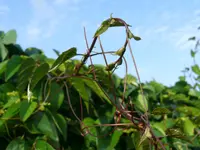
Install a sturdy trellis, mesh, or wires and loosely tie new vines with soft ties every few weeks so stems harden in the desired direction instead of tangling or pulling away from their pot.

Selective thinning cuts

Every 3–6 months, remove a few of the oldest, bare, or crossing stems at their base to improve light penetration into the canopy and encourage dense new side shoots rather than just tip trimming.

Staged repotting practice

Move the plant only 1 pot size up at a time and gently tease apart circling roots when repotting to prevent waterlogged soil pockets and to maintain a compact, manageable root system.

Preventive pest checks

Inspect leaf undersides, stem joints, and tendrils during watering with a handheld magnifier and wipe suspect areas with a damp cloth or alcohol-moistened cotton swab to control early spider mite or scale outbreaks before they spread.

Cool-season adjustment

In cooler months, allow the top of the mix to dry slightly deeper, avoid cold drafts, and rotate the plant 1/4 turn monthly to balance growth when light and evaporation slow while growing kangaroo vine indoors.

Common Pests and Diseases

Scale insects

These insects attach to stems and leaf undersides, sucking sap and causing yellowing, sticky honeydew, and sooty mold growth. Infestations are common on older vines and in dry indoor air.

Solution

Remove heavily infested stems and leaves, then wipe remaining scale with cotton pads dipped in isopropyl alcohol or insecticidal soap, repeating weekly until no new insects appear. Improve light and air movement around the plant, and isolate affected plants to prevent spread while following specific Cissus antarctica care instructions for recovery.

Spider mites

This pest thrives in warm, dry indoor conditions, causing fine webbing, stippled leaves, and progressive leaf drop on kangaroo vine. Symptoms include dull, dusty-looking foliage that worsens quickly if humidity is low.

Solution

Shower the foliage thoroughly with lukewarm water, focusing on leaf undersides, then use insecticidal soap or horticultural oil every 5–7 days for several cycles. Raise humidity to 40–60%, avoid placing the plant near heating vents, and regularly inspect new growth with a magnifier if available.

Mealybugs

These insects appear as white, cottony clusters in leaf axils, along stems, and on roots in potting mix, causing wilting and sticky residue. Growth often slows, and leaves may distort or drop when populations build up.

Solution

Physically remove visible clusters with cotton swabs dipped in isopropyl alcohol, then treat the entire plant with insecticidal soap or a light horticultural oil spray. Repot in fresh, clean mix if root mealybugs are present, discarding old soil and rinsing roots gently before replanting.

Botrytis leaf blight

This disease causes soft, brown, water-soaked spots on tender leaves and stems that may develop gray, fuzzy mold, especially in cool, humid conditions. Symptoms include rapid collapse of young shoots when air circulation is poor.

Solution

Prune and discard all affected tissue, cutting back into healthy green stems, and avoid overhead watering that keeps foliage wet. Increase airflow around the plant, reduce crowding, and keep humidity moderate while allowing the top of the potting mix to dry slightly between waterings.

Leaf spot

This disease produces scattered brown or dark purple spots on leaves that may merge and cause partial yellowing or premature leaf drop. Symptoms include more severe damage on crowded, shaded growth where foliage stays damp for long periods.

Solution

Remove and discard affected leaves, then water at the soil level to keep foliage dry. Space plants for better airflow, avoid frequent misting in cool rooms, and if spotting continues, use a copper-based or sulfur-based fungicide labeled for ornamental vines according to package directions.

Interesting Facts

Australian rainforest origin

This species is native to warm-temperate and subtropical rainforests of eastern Australia, where it naturally climbs through the mid-story on trees and rock faces rather than growing as a groundcover.

Photosynthetic shade specialist

In its native habitat it grows under a forest canopy and has foliage adapted to moderate light, with relatively large, thin leaves that efficiently capture diffuse light common in sheltered gullies.

Woody vine with tendrils

Unlike many soft-stemmed house vines, it develops a woody main stem and uses forked tendrils to anchor itself to branches and supports, allowing the plant to climb several meters in suitable outdoor conditions.

Botan icon

Did you know?

In parts of its native Australian range, mature plants of Cissus antarctica can form dense tangles in the lower forest layers, creating important shelter structure for small birds and invertebrates moving between the ground and canopy.

FAQs about kangaroo vine

Growth is moderate rather than extremely fast. In good conditions, new vines can extend 30–90 cm per year. Indoors, growth is slower, especially with low light, small pots, or infrequent feeding. Pruning helps manage length.

Grow Healthy Plants with Botan Care

Keep your plants happy and healthy with plant identification, disease detection, and easy care guidance.

Botan plant care app — identify plants on mobile

Explore More Plants