


Protect spring foliage
Mark clumps with discreet stakes in late winter so emerging leaves are not damaged by foot traffic or mulching equipment when caring for toughleaf iris in mixed beds or naturalistic plantings.

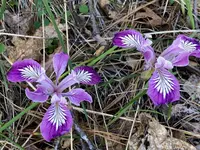
Toughleaf iris (Iris tenax) is a compact, clump-forming perennial native to the Pacific Northwest of the United States. It grows from rhizomes and produces narrow, tough, grass-like leaves with showy spring flowers in shades of violet, blue, or occasionally white.
In the wild it occurs in open woods, rocky slopes, and prairies, often in well-drained, slightly acidic soils. It prefers sun to light shade and moderate moisture but dislikes standing water.
The plant is moderately easy to grow if its need for sharp drainage and relatively lean soil is met. Understanding how to care for toughleaf iris mainly involves matching its dry-summer, mild-winter native conditions.

Care Difficulty
Moderate Care

Light Preference
Full Sun

Water Requirements
Low Water

Temperature Preference
Cold Hardy

Hardiness Zone
6–9

Soil Texture
Sandy, Loamy, Rocky

Soil pH
Acidic (5.5–6.5), Slightly acidic (6.5–7.0)

Soil Drainage
Well-drained

Fertilization
Minimal (feed rarely)
Scan your plant to receive care tips personalized for your specific plant
Available on iOS and Android
Iris tenax prefers bright, direct sun but tolerates light shade in hotter regions.
Iris tenax needs moisture in spring but copes well with drier soil once established.
This species is adapted to cool, temperate climates with marked seasonal changes.
This species is adapted to relatively dry air and usually does not need special humidity control.
Iris tenax prefers lean, well-drained, slightly acidic soil that mimics open, rocky, or woodland edge habitats.
This species can be grown in containers if the pot is set up to drain quickly and stay relatively lean.
Iris tenax grows well in lean soils and usually needs only light feeding in garden settings.
Pruning Iris tenax is minimal and focuses on keeping clumps clean and flowering well.
Transplanting is more common than repotting, since Iris tenax is usually grown in the ground or naturalistic beds.
Iris tenax is commonly propagated by division, with seed used mainly for larger restoration or breeding projects.
This toughleaf iris is cold hardy in much of its native range and usually needs little active winter care.

Plant Health Check
Not sure what's wrong with your plant? Check your plant's health inside the app.
The leaves of this species are unusually tough and were traditionally used by Native American communities in the Pacific Northwest to make cordage, nets, snares, and baskets, functioning as a natural fiber similar to hemp or flax.
Compared with many other bearded irises, this species has very narrow, grasslike leaves that help reduce water loss and suit its native dry, open habitats in western Oregon and Washington.
This plant occurs naturally in a relatively limited range along the Pacific Northwest, often in well-drained, rocky or grassy sites, making it an indicator of certain prairie and open woodland ecosystems.

Genetic and field studies indicate that this species can form natural hybrids with other native Pacific Northwest irises, which contributes to local variation in flower color and form across its range.
Lack of flowers often comes from too much shade, very rich or soggy soil, or overcrowded clumps. Division every few years and well-drained, lean soil usually restore flowering in this naturally spring-blooming species.
Keep your plants happy and healthy with plant identification, disease detection, and easy care guidance.

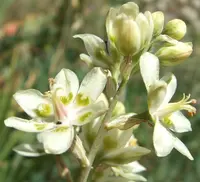
Mountain Deathcamas
Anticlea elegans
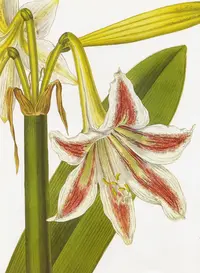
Hippeastrum vittatum
Hippeastrum vittatum
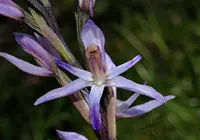
Limodorum trabutianum
Limodorum trabutianum
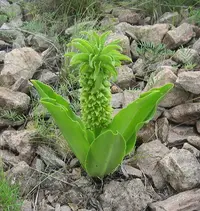
Autumn Pineapple Lily
Eucomis autumnalis
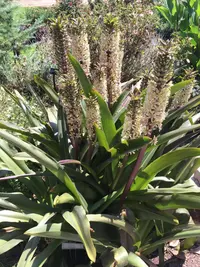
Pineapple Lily
Eucomis comosa 'Sparkling Burgundy'
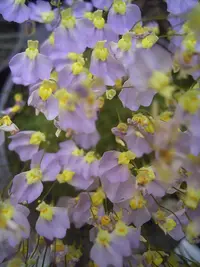
Cape Bladderwort
Utricularia bisquamata
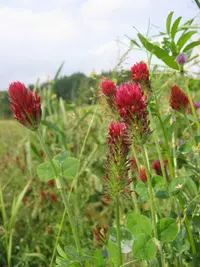
crimson clover
Trifolium incarnatum
Green bonnet orchid
Pleurothallis ruscifolia