Autumn Pineapple Lily Care (Eucomis autumnalis)

Also known as: Pineapple Flower
Autumn Pineapple Lily

About Autumn Pineapple Lily

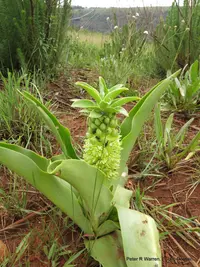
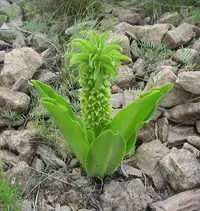
Autumn pineapple lily (Eucomis autumnalis) is a bulbous perennial grown for its rosettes of strap-shaped leaves and tall flower spikes topped with a tuft of bracts that resemble a pineapple. It usually stays compact, which makes it suitable for pots, mixed borders, and seasonal displays.

This species is native to southern Africa, where it grows in grasslands and rocky slopes with distinct wet and dry periods. It is considered moderately easy to grow if its bulb is kept well drained and protected from prolonged cold and waterlogging.

To care for Autumn Pineapple Lily, provide bright light, free-draining soil, and steady moisture during active growth, followed by a drier, cooler rest period after flowering.

Main Plant Requirements

Care Difficulty

Moderate Care

Light Preference

Full Sun

Water Requirements

Moderate Water

Temperature Preference

Warm Climate

Hardiness Zone

7–10

Soil Texture

Sandy, Loamy, Organic-rich

Soil pH

Acidic (5.5–6.5), Slightly acidic (6.5–7.0)

Soil Drainage

Well-drained

Fertilization

Light (every 4–6 weeks)

Get Personalized Care Plan

Scan your plant to receive care tips personalized for your specific plant

Available on iOS and Android

How to Care for the Autumn Pineapple Lily

This bulb prefers bright, stable light to produce strong leaves and flower spikes.

  • Provide 6–8 hours of sun daily, with full sun in cooler climates and morning sun plus light afternoon shade in hotter regions.
  • Tolerates partial shade (around 4 hours of direct sun), but flowering may be reduced and stems may stretch if light is too low.
  • In midsummer, protect Autumn Pineapple Lily from intense late-afternoon sun to avoid leaf scorch, especially in reflected-heat spots near walls or paving.

This species prefers steady moisture in the growing season but does not tolerate waterlogged soil.

  • From spring emergence to early fall, water when the top 3–5 cm of soil feels dry, letting moisture soak through well-drained, sandy or loamy soil.
  • Reduce watering sharply once foliage yellows and dies back; keep the bulb almost dry in dormancy, especially in cool, wet climates to prevent rot.
  • Watch for signs: limp, wrinkling leaves indicate underwatering, while yellowing, mushy bases or a sour smell often signal overwatering in Eucomis autumnalis.

This bulb thrives in warm summers and must be protected from hard frost.

  • Ideal growing temperatures are 65–80°F (18–27°C) during the day and not below 55°F (13°C) at night for strong foliage and flowering.
  • Tolerates brief dips to about 25–30°F (-4 to -1°C) if soil is well drained and mulched, but repeated or deep freezes can damage or kill bulbs.
  • In very hot spells above 90°F (32°C), provide light afternoon shade and ensure soil does not dry out completely to prevent heat stress.

This species handles typical indoor humidity but benefits from slightly moist air in heated homes.

  • Aim for 30–50% humidity; it usually copes well with drier rooms if watering is consistent.
  • Crisping leaf tips and slow growth can indicate very dry air combined with underwatering.
  • Place the Autumn Pineapple Lily away from heating vents and group near other plants to gently raise humidity.

Eucomis autumnalis prefers loose, fast-draining, moderately fertile soil that never stays waterlogged.

  • Use a mix of roughly 50% peat-free potting mix, 25% coarse sand, and 25% perlite or fine grit to create an airy, granular structure.
  • Target slightly acidic to neutral pH around 6.0–7.0, avoiding strongly acidic or chalky conditions that limit nutrient uptake.
  • In heavy or clay garden soil, raise the bed and blend in coarse grit and compost to improve drainage and root aeration.
  • Avoid compacted, soggy, or pure clay sites, which promote bulb rot and poor emergence in spring.

This bulb is well suited to container growing outdoors in regions with cold winters.

  • Choose a pot at least 25–30 cm deep so bulbs can sit 10–15 cm below the rim with room for root spread.
  • Use a heavy, wide-based container to counter the top-heavy flower spikes and reduce tipping in wind.
  • Stand the pot slightly raised on feet or bricks so drainage holes stay clear and excess water escapes quickly.

This bulb benefits from modest, targeted feeding during active growth but does not need heavy fertilization.

  • Use a balanced liquid fertilizer (around 10-10-10 or 20-20-20) at 1/2 strength every 3–4 weeks from leaf emergence to late summer.
  • For container plants, mix in a slow-release granular fertilizer at planting, following label rates, to support flowering in Autumn Pineapple Lily.
  • In garden beds, a light topdressing of compost in spring usually provides enough nutrients for the whole season.
  • Stop feeding once foliage begins to yellow and the plant enters dormancy, and do not fertilize during winter rest.

Pruning needs for Eucomis autumnalis are minimal and focus on cleanliness rather than shaping.

  • In late fall or when leaves yellow and flop, cut foliage back to just above soil level with clean, sharp pruners.
  • Remove spent flower spikes at the base after blooming to keep the plant tidy and reduce seed formation.
  • Trim any dead, diseased, or damaged leaves promptly during the season to limit fungal problems and improve air flow.
  • Avoid cutting healthy green leaves hard, as they are needed for bulb energy storage and next year’s flowering.

This bulb prefers disturbance only every few years, so transplant or repot Eucomis autumnalis only when needed.

  • Check containers for roots circling the sides, crowded bulbs, or reduced flowering as signs it needs a larger pot or division.
  • Plan repotting or transplanting for late winter to early spring, just before new growth starts, and typically only every 3–4 years.
  • Lift bulbs gently, separate offsets by hand, and replant at the same depth in well-drained soil to limit root stress.
  • Water lightly after replanting, keep soil barely moist until growth resumes, and shade briefly from strong sun to aid recovery.

This bulb is commonly propagated by division and can also be raised from seed with patience.

  • Divide mature clumps in late winter or early spring, separating firm, healthy bulbs and offsets with clean hands or a knife.
  • Replant divisions into well-drained, gritty mix, spacing bulbs so they do not touch, and keep soil just moist until growth appears.
  • Sow fresh seed in shallow trays with a free-draining seed mix, barely covering, and keep at 65–75°F with consistent light moisture.
  • Grow seedlings on for 2–3 years before flowering, ensuring steady light and nutrition so bulbs develop enough storage tissue.

This bulb has moderate frost tolerance but benefits from simple winter care, especially in colder regions.

  • In USDA zones around 7–8, bulbs usually overwinter in the ground if soil drains well and winter moisture is not excessive.
  • After foliage dies back, apply a 5–8 cm layer of dry mulch over the planting area to insulate the bulbs.
  • In colder zones or very wet winters, lift bulbs after dieback, dry them, and store in breathable bags in a cool, frost-free place.
  • Move container plants to a sheltered, frost-free garage or indoor space, keeping the soil almost dry until spring growth resumes.

Care Tips

Post-bloom deadheading

After flowers fade, cut the spent flower spikes at the base without removing healthy leaves so the bulb can redirect energy into next year’s bloom production.

Mark bulb positions

When foliage dies back, mark the bulb locations with discreet stakes or tags so you do not accidentally damage or dig them up during off-season bed work.

Controlled clump division

Divide congested clumps only every 4–5 years in late winter or early spring, replanting firm, healthy bulbs at the same depth to maintain strong flowering and reduce competition.

Slug and snail management

Protect emerging shoots with physical barriers or targeted iron phosphate pellets, since tender spring growth is especially attractive to slugs and snails.

Winter moisture control

In regions with wet winters, use a gravel or coarse grit mulch directly over the bulb zone to shed excess water and reduce the risk of bulb rot when growing Autumn Pineapple Lily outdoors.

Common Pests and Diseases

Bulb scale mites

This pest feeds within the bulb scales, causing weak shoots, distorted growth, and poor flowering, especially in stressed or stored bulbs.

Solution

Inspect bulbs before planting and discard any with brown, corky, or powdery tissue; keep stored bulbs cool, dry, and well ventilated. For light infestations, remove and destroy affected bulbs; for valuable stock, an approved miticidal bulb dip or hot-water treatment (around 110–115°F for a carefully limited time) under horticultural guidance can reduce mite populations.

Mealybugs

These insects cluster in leaf bases and on flower stems, sucking sap and excreting sticky honeydew that can lead to sooty mold on foliage and flowers.

Solution

Isolate affected plants, then dab visible mealybugs with cotton swabs dipped in 70% isopropyl alcohol or wash them off with a firm stream of water. For persistent infestations, apply a systemic insecticide labeled for ornamental bulbs or use repeated applications of insecticidal soap, ensuring good coverage into crown crevices and undersides of leaves.

Aphids

This pest often gathers on young spikes and flower clusters, causing distorted growth and transmitting viral diseases that can lead to streaked or mottled foliage and flowers.

Solution

Rinse colonies off with a strong stream of water and remove heavily infested flower spikes. If needed, use insecticidal soap or a horticultural oil, applied in the cool part of the day, and encourage natural predators such as lady beetles in outdoor plantings.

Basal bulb rot

This disease affects the basal plate and inner bulb tissues, leading to soft, discolored, and foul-smelling bulbs, resulting in weak or collapsing Eucomis autumnalis growth.

Solution

Discard any soft or discolored bulbs and avoid reusing contaminated soil; always plant only firm, healthy bulbs. Improve drainage with gritty, well-aerated media, avoid overwatering, and consider a labeled fungicidal bulb dip for high-value bulbs in collections before planting.

Viral mosaic

Symptoms include irregular yellow streaks, mottling, or rings on leaves and flowers, often accompanied by reduced vigor and distorted growth over time.

Solution

There is no cure; promptly remove and destroy affected plants to prevent spread. Control sap-sucking insects such as aphids and mealybugs, disinfect cutting tools with 70% alcohol between plants, and only propagate from symptom-free stock to maintain healthy Eucomis autumnalis plant care collections.

Interesting Facts

Pineapple-like flower spike

This species forms a dense spike of greenish-white flowers topped by a tuft of leafy bracts, creating a strong visual resemblance to a miniature pineapple, which gives the genus its common name pineapple lily.

Summer-dormant bulb

Eucomis autumnalis grows from a true bulb that enters a dry rest period after the growing season, an adaptation to the seasonal climates of its native southern African grasslands and rocky slopes.

Insect-pollinated scent

The flowers release a noticeable odor that attracts a range of insect pollinators, helping to ensure cross-pollination and viable seed production in its native habitat.

Botan icon

Did you know?

In parts of southern Africa, Eucomis autumnalis is one of the most frequently harvested wild bulb species, which has led to local population declines and prompted conservation concern and monitoring in some regions.

FAQs about Autumn Pineapple Lily

Lack of flowers usually comes from insufficient light, small or immature bulbs, or bulbs that stayed too dry or crowded. Ensure a full growing season, adequate nutrition, and divide congested clumps every few years to restore flowering.

Grow Healthy Plants with Botan Care

Keep your plants happy and healthy with plant identification, disease detection, and easy care guidance.

Botan plant care app — identify plants on mobile

Explore More Plants