Use wide pots
Choose a shallow, wide pot rather than a deep one so the fibrous roots can spread laterally and the plant forms a fuller canopy instead of becoming leggy and unstable.

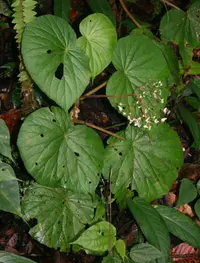
Begonia multinervia is a compact, rhizomatous begonia valued for its patterned foliage rather than its flowers. It typically forms a low, leafy clump with broad, prominently veined leaves.
This species is native to Central America, where it grows in humid, shaded forest habitats. Its preference for stable moisture, high humidity, and protection from strong sun makes it slightly more demanding than common bedding begonias.
With consistent warmth and an airy, well-drained substrate, it adapts well to terrariums or carefully managed indoor displays. Understanding how to care for Begonia multinervia helps prevent issues with leaf scorch, wilting, or root problems.

Care Difficulty
Moderate Care

Light Preference
Bright Indirect Light

Water Requirements
Keep Soil Moist

Temperature Preference
Tropical / Frost Sensitive

Hardiness Zone
10–11

Soil Texture
Loamy, Peaty, Organic-rich

Soil pH
Acidic (5.5–6.5)

Soil Drainage
Moist but well-drained

Fertilization
Light (every 4–6 weeks)
Scan your plant to receive care tips personalized for your specific plant
Available on iOS and Android
This species prefers bright, filtered light that mimics a forest understory environment.
Watering should keep the root zone evenly moist but never waterlogged.
Stable, warm conditions are important for consistent growth and leaf quality.
This species prefers moderately high humidity to maintain healthy foliage and steady growth.
This begonia grows best in a loose, airy mix that balances moisture retention with rapid drainage.
This species is well suited to container growing when moisture and stability are managed carefully.
This species benefits from light, consistent feeding during active growth but resents heavy fertilization.
Thoughtful pruning keeps Begonia multinervia compact, healthy, and well-shaped.
Container-grown plants appreciate periodic repotting to prevent root congestion and declining vigor.
This species is commonly propagated vegetatively to maintain desirable traits and growth habit.
This plant is frost-sensitive and needs protection in regions with cold winters.

Plant Health Check
Not sure what's wrong with your plant? Check your plant's health inside the app.
This species is named for its prominently multi-veined foliage, where many fine lateral veins branch from the main midrib, giving the leaves a textured, almost corrugated appearance compared with many other begonias.
Begonia multinervia is naturally restricted to parts of Central America, where it grows in humid forest habitats, often on shaded slopes and among leaf litter on the forest floor.
Because it has a relatively limited natural range and relies on moist, stable forest conditions, this species is of interest in conservation discussions that focus on habitat loss in Central American cloud and rain forests.
Brown, crispy leaf edges usually result from low humidity, salt buildup from fertilizer, or inconsistent moisture. Flush the potting mix occasionally, keep humidity moderate, avoid direct blasts from heaters or air conditioners, and water evenly but not excessively.
Keep your plants happy and healthy with plant identification, disease detection, and easy care guidance.