Modjadji Cycad Care (Encephalartos transvenosus)

Also known as: Modjadji Palm, mujaji palm
Modjadji Cycad

About Modjadji Cycad

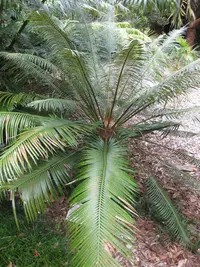
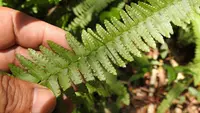
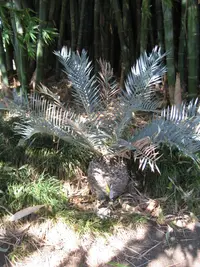
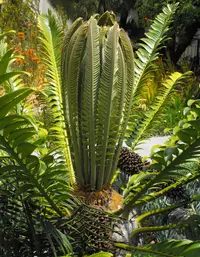
The Modjadji cycad, Encephalartos transvenosus, is a slow-growing, ancient cone-bearing plant from the misty slopes of the Modjadji Cycad Reserve in South Africa. It forms a stout trunk topped with a crown of stiff, glossy, dark green fronds that resemble a palm or fern.

This species grows slowly and develops into a striking architectural specimen, but its pace and size make it better suited to long-term, committed growers. It prefers bright light, mild temperatures, and sharply draining soil, and tolerates short dry periods once established. Understanding how to care for Modjadji Cycad is important because it dislikes waterlogged roots and sudden environmental changes.

Main Plant Requirements

Care Difficulty

Hard Care

Light Preference

Full Sun

Water Requirements

Low Water

Temperature Preference

Warm Climate

Hardiness Zone

9–11

Soil Texture

Sandy, Loamy, Rocky

Soil pH

Acidic (5.5–6.5), Slightly acidic (6.5–7.0)

Soil Drainage

Well-drained

Fertilization

Minimal (feed rarely)

Get Personalized Care Plan

Scan your plant to receive care tips personalized for your specific plant

Available on iOS and Android

How to Care for the Modjadji Cycad

Encephalartos transvenosus prefers bright, natural light with some protection from harsh midday sun.

  • Provide 4–6 hours of direct morning sun with light or dappled shade in the afternoon, especially in hot inland or summer conditions.
  • Tolerates partial shade, but very dense shade causes elongated, weak leaves and slower growth in Modjadji Cycad.
  • In hot climates, shield from reflected heat and intense afternoon sun to prevent leaflet scorch, while in cooler regions choose the sunniest, wind‑sheltered position.

Encephalartos transvenosus needs infrequent but deep watering in very free-draining soil.

  • Allow the top 5–8 cm of soil to dry before watering, then soak the root zone thoroughly so water drains quickly away.
  • Reduce watering in cool seasons when growth slows, but do not let established outdoor plants remain bone-dry for many weeks in hot weather.
  • Watch for yellowing, soft leaf bases as signs of overwatering and root rot, and for crisp, browning leaflet tips as signs of underwatering.

This cycad prefers warm, stable conditions and is sensitive to hard frost.

  • Aim for active growth in 70–86°F (21–30°C), with short periods up to 95°F (35°C) tolerated if soil moisture is adequate and roots are mulched.
  • Protect from temperatures below 40°F (4°C); light, brief dips to 32°F (0°C) may be survived, but repeated frost damages leaves and young crowns.
  • In regions with cold winters, site plants in a warm microclimate such as a south-facing slope or wall and provide frost cloth during cold snaps.

Humidity is a secondary factor for this species but very dry indoor air can still cause stress over time.

  • Aim for 40–60% humidity; the Modjadji Cycad usually tolerates brief dips lower if soil moisture is stable.
  • Watch for browning leaflet tips and slow new flushes as signs of chronic low humidity stress rather than underwatering.
  • Increase humidity locally with a nearby pebble tray or grouped plants, but keep fronds dry to reduce fungal risk.

Encephalartos transvenosus prefers a coarse, fast-draining, mineral-rich substrate that mimics rocky slopes.

  • Use a mix of roughly 40% gritty sand or fine gravel, 40% pumice or perlite, and 20% composted bark or leaf mold for structure and nutrients.
  • Ensure water drains through the pot or bed within seconds, leaving no standing water around the caudex to prevent rot.
  • Keep pH slightly acidic to neutral (pH 6.0–7.0); avoid heavy liming unless a soil test shows strong acidity.
  • Avoid clay-heavy, compacted, or peat-dominant mixes and regularly loosen the top layer to maintain aeration around surface roots.

This cycad can be grown in containers, especially while young or in cooler climates.

  • Choose a deep, heavy pot to stabilize the tall, top-heavy crown and prevent wind tipping as the trunk gains height.
  • Select thick-walled terracotta or concrete if outdoor sun exposure is strong, as these materials moderate temperature swings around the root zone.
  • Set the container slightly elevated on pot feet or bricks so drainage holes remain clear and runoff leaves the root zone quickly.

This cycad benefits from modest, steady feeding to support slow, long-term growth without forcing soft, weak tissue.

  • During spring–summer, apply a balanced slow-release NPK fertilizer at 1/2 strength every 8–10 weeks around the drip line, not against the stem.
  • In mild climates, a light top-dressing of well-rotted compost once a year supports soil structure and micronutrients for Modjadji Cycad.
  • Avoid high-nitrogen lawn fertilizers, which can cause overly lush, weak fronds and salt buildup around the roots.
  • In fall–winter, reduce feeding to once, at most, or pause entirely so growth hardens and roots are not overstimulated in cool soil.

Encephalartos transvenosus needs minimal pruning, mainly to keep the crown clean and healthy.

  • Best time for any pruning is late winter to early spring, before strong new flushes of fronds emerge.
  • Remove only dead, yellowing, or badly damaged fronds at their base using clean, sharp bypass pruners or a pruning saw.
  • Leave healthy, green fronds to maintain energy production and trunk strength; heavy removal can slow overall growth.
  • Cut old fronds close to the trunk without damaging the stem surface to maintain a tidy, symmetrical crown.

This cycad is usually grown in the ground and dislikes frequent disturbance, so transplant only when clearly necessary.

  • Transplant when growth slows, roots circle the pot, or the plant becomes top-heavy and unstable in its container.
  • Choose late spring to early summer, when soil is warm and recovery is fastest, and aim for every 5–10 years at most.
  • Move into a container only 1–2 sizes larger, using a deep, sharply draining mix with coarse sand or grit to prevent waterlogging.
  • Handle the root ball gently, keep the crown at the same depth, water once to settle soil, then keep slightly dry for several weeks to limit root stress.

Encephalartos transvenosus is slow and valuable, and propagation is usually done thoughtfully by seed or offsets rather than frequently.

  • Seed propagation requires fresh, cleaned seed sown in warm 75–85°F, evenly moist, sharply draining medium; germination can take many months.
  • Offset division is best done in late spring–summer, when pups have developed their own roots and can survive separation.
  • Use a sterile, sharp knife to detach offsets, dust cut surfaces with fungicide, and allow them to callus for several days before potting.
  • Place divisions in bright, indirect light with stable warmth and slightly dry conditions until new roots and fronds confirm establishment.

This subtropical cycad is only moderately cold tolerant and needs thoughtful management in regions with freezing winters.

  • Mature plants may tolerate brief dips near 25°F, but repeated freezes damage fronds and can injure the crown.
  • In-ground plants benefit from a 5–10 cm mulch layer over the root zone in late fall, kept away from direct trunk contact.
  • Wrap the crown and young stems with breathable frost cloth during cold nights, removing covers in milder daytime weather.
  • Container plants in cold climates should be moved indoors or to a frost-free greenhouse, kept cool, bright, and on the dry side.

Care Tips

Protect Growing Cone

When a female cone develops, place a loose, breathable barrier (such as a rigid wire cylinder wrapped in shade cloth) around it to protect from sun scorch and physical damage while still allowing airflow and pollinator access.

Stabilize Heavy Caudex

As the trunk thickens, use buried stone edging or low rock rings around the base to brace the caudex and prevent tilt or wind rock, keeping the root plate stable in storms.

Manage Sharp Foliage

When working around the plant, wear thick forearm protection and use long-handled tools; for unavoidable pathway plants, carefully clip just the terminal spine tips with disinfected pruners to reduce injury risk without deforming the leaf.

Seasonal Root Inspection

Every 3–4 years in late spring, gently excavate a narrow ring around the caudex to check for root rot or girdling roots, then refill with fresh, gritty mix to maintain a well-aerated root zone.

Wind and Snow Shield

In windy or light-snow climates, set up a low, open frame of stakes with breathable mesh or lattice on the windward side during winter to reduce frond breakage and prevent heavy accumulation on the crown when growing Modjadji Cycad.

Common Pests and Diseases

Scale insects

This pest feeds on the stiff leaflets and rachis, causing yellow spotting, sticky honeydew, and sooty mold growth on fronds and cones. Heavy infestations can slow growth and weaken the caudex over time.

Solution

Inspect leaves, petioles, and cone bases regularly and remove clusters by hand or with a cotton swab dipped in alcohol. For ongoing Encephalartos transvenosus plant care, use repeated applications of a light horticultural oil or insecticidal soap, thoroughly coating leaf surfaces and focusing on undersides and crevices, and improve air movement around the crown to discourage reinfestation.

Mealybugs

These insects hide in leaf bases, cone scales, and around the caudex, sucking sap and excreting honeydew that encourages sooty mold. Symptoms include distorted new growth, stunting, and white cottony clusters in protected areas.

Solution

Physically remove visible clusters with a soft brush or strong water spray, paying attention to the crown and leaflet bases. Follow up with targeted applications of insecticidal soap or horticultural oil at 7–10 day intervals until no new insects appear, and isolate heavily infested plants from other cycads when possible.

Cycad aulacaspis scale

This pest forms dense white crusts on both upper and lower leaf surfaces, petioles, and sometimes roots, leading to rapid yellowing and dieback of fronds. Severe infestations can kill plants, including larger specimens, if not treated promptly.

Solution

Remove and destroy the most heavily infested fronds, then treat all remaining foliage and the crown with a horticultural oil labeled for armored scales, ensuring complete coverage of both leaf surfaces. Repeat treatments according to label directions and avoid overhead watering that can wash off fresh applications; in landscape settings, remove nearby infested cycads to reduce reinfestation pressure.

Anthracnose leaf blight

This disease causes tan to dark brown necrotic spots and blotches on leaflets, sometimes with a yellow halo, which can coalesce and distort or kill fronds in humid or poorly ventilated conditions. Symptoms include progressive leaflet dieback starting on older or shaded foliage.

Solution

Prune and discard affected fronds and leaf segments, cutting back to healthy tissue and disposing of debris away from the planting area. Reduce overhead watering, increase spacing and airflow around the plant, and in persistent, humid conditions use a labeled copper- or chlorothalonil-based fungicide as a protective spray on new and lightly affected foliage.

Crown and caudex rot

This disease affects the central growing point and underground caudex, often following mechanical damage or prolonged soil saturation, leading to soft, foul-smelling tissue and collapse of the inner fronds. Symptoms include sudden yellowing and wilting of the central crown while older leaves may remain green for a time.

Solution

At early stages, remove all affected soft tissue from the crown with sterile tools, allow the area to dry, and dust or drench with a systemic fungicide labeled for Phytophthora or Pythium. Long term management relies on planting in sharply drained soil, avoiding chronic overwatering, and preventing crown injury so that pathogens have fewer entry points.

Interesting Facts

Royal cycad namesake

This species is known as the Modjadji cycad because it occurs naturally in the Modjadji Cycad Reserve, historically associated with the Rain Queens of the Balobedu people in Limpopo, South Africa.

Massive female cones

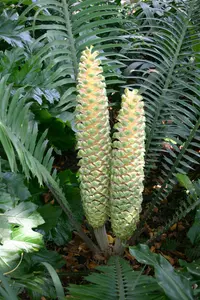
Female plants can produce very large, heavy cones that may exceed 30 kg, among the largest female cones recorded in any cycad, containing many tightly packed seeds.

Restricted natural range

In the wild it is naturally confined to a limited area of mist belt escarpment forest in Limpopo Province, where it often forms dense stands on steep, well-drained slopes.

Botan icon

Did you know?

This species can form one of the largest known natural cycad populations in the world, with many thousands of individuals creating near-monodominant stands that visually resemble a primitive forest from the age of dinosaurs.

FAQs about Modjadji Cycad

Growth is very slow. In suitable outdoor conditions, the trunk may lengthen only 2–5 cm per year. Leaf flushes are periodic rather than continuous, so apparent size increases often happen in short bursts separated by long resting periods.

Grow Healthy Plants with Botan Care

Keep your plants happy and healthy with plant identification, disease detection, and easy care guidance.


Botan plant care app — identify plants on mobile

Explore More Plants