Elephant's Ear Care (Alocasia sarawakensis 'Yucatan Princess')

Also known as: Upright Elephant Ear

About Elephant's Ear

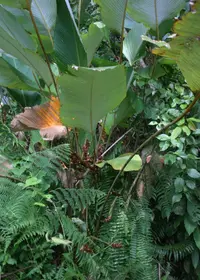
Elephant's ear Alocasia sarawakensis 'Yucatan Princess' is a large tropical aroid grown mainly for its bold foliage. It forms an upright clump with thick stems and broad, glossy leaves that create a strong architectural look. In nature, it comes from warm, humid forests of Borneo, where it grows in rich, moist soil with sheltered light. The plant prefers bright, indirect light, steady warmth, and evenly moist but well-drained soil. It can be moderately demanding, since it reacts quickly to cold drafts, low humidity, or inconsistent watering. Beginners can care for Elephant's Ear successfully if they provide stable indoor conditions and avoid extremes.

Main Plant Requirements

Care Difficulty

Moderate Care

Light Preference

Bright Indirect Light

Water Requirements

Keep Soil Moist

Temperature Preference

Tropical / Frost Sensitive

Hardiness Zone

9–11

Soil Texture

Loamy, Peaty, Organic-rich

Soil pH

Acidic (5.5–6.5), Slightly acidic (6.5–7.0)

Soil Drainage

Moist but well-drained

Fertilization

Moderate (every 2–4 weeks)

Get Personalized Care Plan

Scan your plant to receive care tips personalized for your specific plant

Available on iOS and Android

How to Care for the Elephant's Ear

Alocasia sarawakensis 'Yucatan Princess' grows best in bright, indirect light that mimics dappled tropical shade.

  • Provide 4–6 hours of bright, filtered light daily, such as light through sheer curtains or under high, open shade outdoors.
  • Allow gentle morning sun but avoid strong midday or afternoon sun, which can scorch leaves and cause dry brown patches.
  • In low light, growth slows and stems stretch; move Elephant's Ear closer to a bright window or brighter outdoor spot, especially in winter.

This plant prefers evenly moist, well-drained soil and reacts quickly to prolonged drought or saturation.

  • Water when the top 2–4 cm (about 1 in) of soil feels dry, aiming for consistently damp but not soggy conditions.
  • Use a rich, fast-draining mix and ensure excess water can run off freely to reduce risk of root rot and yellowing leaves.
  • In spring and summer, plants may need more frequent watering; in cooler months, let the top layer dry a bit more and watch for drooping as a sign to water.

This tropical species needs warm, stable temperatures to maintain strong foliage and root health.

  • Aim for 70–85°F (21–29°C) for active growth; it will slow noticeably below about 65°F (18°C).
  • Protect from cold; foliage is damaged around 45–50°F (7–10°C) and the plant should be kept well above freezing to avoid loss of the tuber.
  • In hot spells above 90°F (32°C), provide shade, good air movement, and consistent moisture to prevent heat stress and leaf scorch.

This species prefers sustained high humidity and reacts quickly to dry indoor air.

  • Aim for 60–80% humidity; below 50% often triggers leaf-edge crisping and brown tips.
  • Watch for curling leaves, stalled growth, and papery margins as signs humidity is too low for Elephant's Ear.
  • Increase humidity with a nearby humidifier, grouped plants, and a shallow pebble tray rather than misting foliage.

This plant needs a loose, airy, organic-rich mix that drains rapidly yet retains some moisture.

  • Use a base of peat or coco coir with added perlite and fine bark to mimic a chunky, tropical forest floor texture.
  • Ensure fast drainage; water should run through within seconds, leaving the mix slightly moist, never waterlogged or soggy.
  • Maintain slightly acidic to neutral pH around 6.0–7.0, which supports nutrient availability and stable growth for Alocasia sarawakensis 'Yucatan Princess'.
  • Avoid dense garden soil, heavy clay, or mixes with high sand content that either compact around roots or dry out too abruptly.

This species is suitable for container growing and adapts well to large, stable pots.

  • Choose a wide, heavy container to counterbalance tall foliage and prevent tipping in wind or from accidental bumps.
  • Select a pot material that matches your climate; terracotta breathes and dries faster, while glazed ceramic or plastic retain moisture longer.
  • Elevate the pot slightly on risers so drainage holes stay clear and excess water can escape freely after each watering.

Alocasia sarawakensis 'Yucatan Princess' responds well to moderate feeding during its active growing season.

  • Use a balanced liquid fertilizer (e.g., 10-10-10 or 20-20-20) diluted to 1/2–1/4 strength every 2–4 weeks in spring and summer.
  • Alternatively, apply a slow-release granular fertilizer at the start of spring, following label rates for container tropicals.
  • In rich, organic potting mix, supplement with light applications of compost rather than heavy chemical feeding when caring for Elephant's Ear.
  • In autumn and winter, when growth slows or dormancy starts, reduce feeding to once every 6–8 weeks or stop entirely.

Pruning needs for Alocasia sarawakensis 'Yucatan Princess' are light and focus on cleanliness rather than shaping.

  • Best time for pruning is during active growth in spring and summer, when recovery is fastest.
  • Remove yellowing, dead, or damaged leaves at the base with clean, sharp scissors or pruners to limit disease spread.
  • Cut away crowded or crossing petioles only if they trap moisture or restrict airflow, keeping the clump open and stable.
  • Disinfect tools before and after use to prevent transmitting fungal or bacterial problems between plants.

This Alocasia prefers snug pots but benefits from periodic repotting to refresh soil and manage root growth.

  • Check for roots circling the container, pushing out of drainage holes, or persistent wilting; these indicate the plant is pot-bound.
  • Plan to repot every 2–3 years in late spring, just as strong new growth appears.
  • Choose a container 2–5 cm wider with excellent drainage and use a chunky, well-aerated mix with added bark or perlite.
  • Water thoroughly after repotting, keep in bright indirect light, and maintain high humidity for 1–2 weeks to reduce root stress.

Alocasia sarawakensis 'Yucatan Princess' is most reliably propagated by division of its clumping rhizomes.

  • Carry out division in late spring or early summer when active growth supports fast recovery.
  • Unpot the plant, gently tease soil from the roots, and separate sections so each division has at least 1 growing point and healthy roots.
  • Plant divisions into small pots with airy, moist but well-drained mix, keeping humidity high and light bright but indirect.
  • Maintain soil just moist, not waterlogged, and avoid heavy feeding until new leaves emerge and growth stabilizes.

This tropical Alocasia is frost-sensitive and needs careful winter management in most temperate climates.

  • Move container plants indoors before temperatures drop below 55°F, placing them in bright, indirect light.
  • Reduce watering in winter, allowing the top 3–5 cm of mix to dry to prevent root rot during slower growth or dormancy.
  • In mild climates, mulch the outdoor root zone with 5–10 cm of organic material to buffer short cool spells.
  • If foliage dies back, keep the rhizome in barely moist soil at 60–70°F and resume normal care when new shoots appear in spring.

Care Tips

Container size strategy

Use a wide, heavy pot rather than a deep, narrow one to support the tall petioles and prevent the plant from toppling as it gains height and leaf mass.

Sturdy stake support

Install 1–3 slim, rust-resistant stakes close to the main petioles and secure them loosely with soft ties to keep large leaves upright and reduce mechanical stress on the rhizome in windy or high-traffic areas.

Seasonal dormancy management

If growth stalls and several leaves yellow in cooler months, gradually reduce watering, remove declining foliage, and allow a light dormancy, resuming regular care only when new growth points appear.

Targeted pest monitoring

Inspect the undersides of leaves and the petiole junctions weekly with a hand lens if possible, focusing on early signs of spider mites and thrips, and isolate the plant promptly if pests are detected.

Root crowding refresh

When roots begin to circle the pot or emerge from drainage holes, root prune lightly by trimming only the outermost circling roots and refresh the outer third of the root ball with new mix instead of aggressively disturbing the entire root system, which supports stable Alocasia sarawakensis 'Yucatan Princess' plant care.

Common Pests and Diseases

Spider mites

This pest often appears in warm, dry indoor air and causes stippled, dull leaves with fine webbing on the undersides. Symptoms include yellow speckling, leaf edge crisping, and slower growth, especially on large, thin leaves.

Solution

Rinse foliage thoroughly with lukewarm water, including leaf undersides, then repeat every few days to break the life cycle. Increase humidity, isolate the plant, and use a neem oil or insecticidal soap spray directed to the leaf undersides until no new damage appears; this is a key step in Alocasia sarawakensis 'Yucatan Princess' plant care.

Aphids

These insects cluster on tender stems and new leaves, sucking sap and causing distortion, curling, and sticky honeydew deposits. Sooty mold may develop on the honeydew, making leaves look dirty and reducing photosynthesis.

Solution

Physically remove colonies by spraying the plant with a firm stream of lukewarm water, then treat soft tissue with insecticidal soap or a neem oil solution. Check nearby plants, trim heavily infested growth if practical, and repeat treatment weekly until no aphids remain.

Rhizome rot

This disease affects the thick underground stem (rhizome), causing it to soften, darken, and emit a foul smell, often following overwatering or poorly draining soil. Symptoms include sudden leaf yellowing, wilting, and collapse despite moist soil.

Solution

Unpot the plant, cut away all soft, brown, or black rhizome tissue with a sterile tool, and dust cuts with powdered sulfur or cinnamon to discourage fungi and bacteria. Repot into fresh, chunky, fast-draining mix in a pot with drainage holes, reduce watering until new growth appears, and keep the plant warm to encourage recovery.

Leaf spot

This disease produces brown, tan, or dark water-soaked spots with yellow halos on the large leaves, often starting where water sits on the surface. In humid, crowded conditions, spots can enlarge, merge, and cause sections of the leaf to die back.

Solution

Remove and discard affected leaves or sections, sterilizing scissors between cuts, and avoid wetting foliage when watering. Improve air circulation, reduce crowding, and if spread continues, apply a copper-based or other labeled ornamental foliage fungicide according to the product instructions.

Mealybugs

These insects appear as white, cottony clusters in leaf axils, along petioles, and near the rhizome, where they suck sap and weaken the plant. Symptoms include sticky residue, leaf yellowing, and stunted new growth.

Solution

Dab visible insects with cotton swabs dipped in isopropyl alcohol, then rinse the plant gently to remove residues. Follow with repeated applications of insecticidal soap or neem oil, focusing on leaf bases and petiole joints, and isolate the plant until no new mealybugs are seen.

Interesting Facts

Borneo riverbank specialist

This cultivar originates from Alocasia sarawakensis, a species native to lowland riverbanks and seasonally flooded areas in Sarawak on the island of Borneo, which explains its preference for consistently moist but aerated soil in cultivation.

Textured bronzy foliage

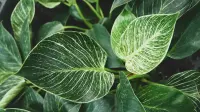
Its large leaves develop a distinctive bronzy-green to deep olive surface with a satin sheen and prominent pale veins, a color combination that is much more pronounced than in many related Alocasia species.

Robust pseudo-trunk

Mature plants form a stout, trunk-like petiole base that can reach notable thickness for an Alocasia, allowing the plant to support unusually large, upright leaves for its group.

Botan icon

Did you know?

In favorable warm, humid conditions outdoors in frost-free climates, this plant can reach around human height or taller, producing a dramatic architectural clump that is considered unusually imposing compared with many other commonly cultivated Alocasia varieties.

FAQs about Elephant's Ear

Brown edges usually result from low humidity, underwatering, or fertilizer salts building up in the potting mix. Improve humidity, water thoroughly but not constantly, and flush the soil occasionally to reduce mineral accumulation and leaf scorch.

Grow Healthy Plants with Botan Care

Keep your plants happy and healthy with plant identification, disease detection, and easy care guidance.

Botan plant care app — identify plants on mobile

Explore More Plants