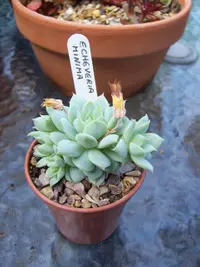
Lace aloe Care (Aristaloe aristata)

Also known as: Guinea-fowl Aloe, Long-Awned Aloe
Lace aloe

About Lace aloe

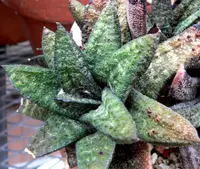
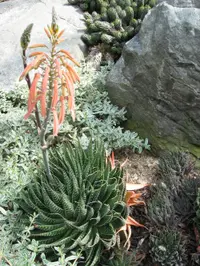
Lace aloe, Aristaloe aristata, is a compact succulent from South Africa and Lesotho, valued for its tidy rosette shape and patterned, spiny leaves. The leaves are dark green with small white bumps and soft spines along the edges, giving the plant a textured, geometric look.

It stays relatively small and produces tubular orange-red flowers on tall stalks when mature. Its drought tolerance and slow growth make it suitable for windowsills and small indoor spaces.

This species prefers bright light, fast-draining soil, and infrequent watering, which makes it easier to care for than many leafy houseplants. Understanding how to care for Lace aloe mainly involves avoiding overwatering and providing enough light.

Main Plant Requirements

Care Difficulty

Easy Care

Light Preference

Partial Sun

Water Requirements

Low Water

Temperature Preference

Warm Climate

Hardiness Zone

8–10

Soil Texture

Sandy, Loamy, Rocky

Soil pH

Slightly acidic (6.5–7.0), Neutral (7.0)

Soil Drainage

Well-drained

Fertilization

Minimal (feed rarely)

Get Personalized Care Plan

Scan your plant to receive care tips personalized for your specific plant

Available on iOS and Android

How to Care for the Lace aloe

Aristaloe aristata prefers bright, indirect light with some gentle direct sun each day.

  • Provide 4–6 hours of morning sun or late-afternoon sun, with light shade during harsh midday hours, especially in hot, dry climates.
  • Plant in a spot with bright, filtered light; the plant tolerates partial shade but may stretch and lose compact form if light is too low.
  • Watch leaf color: pale, bleached, or crispy tips indicate too much intense sun, while dark, stretched leaves signal insufficient light, especially in winter for Lace aloe.

This succulent stores water in its leaves and needs infrequent but thorough watering.

  • Water only when the top 3–5 cm of soil is completely dry, then soak the root zone and let excess drain away; avoid shallow, frequent sips.
  • In spring–summer, this may mean watering every 7–21 days depending on heat, soil, and exposure; in cooler months, reduce to occasional watering when the soil has stayed dry for several days.
  • Use very well-draining, gritty soil to prevent root rot; soft, yellowing leaves suggest overwatering, while thin, wrinkled leaves indicate the plant is staying dry for too long, important for Aristaloe aristata in containers or in-ground.

This species prefers mild, dry conditions and dislikes prolonged cold or extreme heat.

  • Aim for 65–80°F (18–27°C) for active growth, with good airflow and low to moderate humidity to mimic its natural habitat.
  • Short dips to about 25–30°F (-4 to -1°C) may be survived if soil is very dry, but repeated frost or wet cold greatly increases the risk of tissue damage and rot.
  • In summer, it tolerates 85–95°F (29–35°C) if shaded from intense afternoon sun and given cooler nights; move or protect plants during heatwaves or sudden cold snaps.

This species handles typical indoor humidity well and rarely needs special humidity management.

  • Target 30–50% humidity, similar to most heated or air-conditioned homes, to keep foliage firm and growth steady.
  • Dry air from heating vents is usually tolerated, but constant hot drafts can desiccate leaf tips over time.
  • If leaf tips shrivel while soil moisture is correct, move Lace aloe away from direct airflow rather than increasing room humidity.

Aristaloe aristata needs a sharply draining, mineral-rich substrate to avoid root and crown rot.

  • Use a gritty, sandy mix such as 50–70% cactus mix blended with coarse perlite or pumice to keep pores open.
  • Aim for slightly acidic to neutral pH, around 6.0–7.0, which suits most commercial succulent mixes.
  • Incorporate only a small fraction of organic material, like fine bark or compost, so the mix holds some moisture but still drains within minutes.
  • Avoid dense garden soil, peat-heavy potting soil, or mixes that stay wet for more than 2–3 days, as these limit aeration and increase rot risk.

This compact succulent is very suitable for container growing.

  • Select a shallow but wide pot that matches the rosette spread, which limits unused wet media around the roots.
  • Choose unglazed terracotta if extra evaporation is needed in cool or low-light locations where drying is slow.
  • Raise the pot slightly on feet or a stand so drainage holes stay clear and water cannot pool under the container.

This compact succulent needs only light feeding to stay healthy and avoid soft, weak growth when caring for Lace aloe.

  • Use a balanced, low-nitrogen cactus or succulent fertilizer (around 2-7-7 or similar) or a diluted general balanced NPK product.
  • Feed every 4–6 weeks in spring and summer only, skipping applications if growth is very slow or plant looks stressed.
  • Dilute liquid fertilizer to 1/2–1/4 the label strength to prevent root burn in this nutrient-efficient species.
  • Stop feeding in fall and winter when growth slows, as extra nutrients are not used and can accumulate in the soil.

Aristaloe aristata needs minimal pruning, mainly for hygiene and appearance rather than growth control.

  • Carry out light pruning in late spring or summer when the plant is actively growing and can heal quickly.
  • Remove dead, dried, or blackened leaves at the base, cutting close to the soil line with clean, sharp scissors or pruners.
  • Trim off damaged or pest-marked foliage to reduce disease risk and keep the rosette looking compact and symmetrical.
  • Cut spent flower stalks back to the base after blooming so the plant redirects energy to root and leaf growth.

This species prefers slightly tight containers and only needs repotting when clearly root bound or the soil has broken down.

  • Check for roots circling the pot, emerging from drainage holes, or noticeably slowed growth as signs repotting is needed.
  • Plan to repot every 2–3 years in late spring, using a gritty, fast-draining cactus mix and a pot just 2–3 cm wider.
  • Water the plant lightly 1–2 days before repotting, then gently loosen the root ball and remove old, compacted soil without tearing roots.
  • After repotting, keep the plant in bright, indirect light and wait 3–5 days before watering to let any root injuries dry and seal.

This aloe relative is most commonly multiplied through offsets, with seeds used less often in home settings.

  • Separate well-formed offsets in spring or early summer when they have several leaves and their own root system.
  • Gently unpot the clump, tease away soil, and cut pups from the mother plant with a sterile knife, keeping as many roots as possible.
  • Allow cut surfaces to dry and callus for 1–2 days, then plant offsets in a fast-draining cactus mix and water very lightly.
  • Place new plants in bright, indirect light at 68–77°F, keeping soil barely moist until strong new growth confirms successful rooting.

This succulent prefers cool, dry winters and is only marginally frost tolerant, especially in containers.

  • Avoid temperatures below about 25°F; brief light frost may be tolerated, but prolonged freezing damages leaves and roots.
  • In the ground, use a 2–5 cm layer of coarse gravel or small stones around the crown to improve drainage rather than heavy organic mulch.
  • Move container plants indoors or to a cold, bright porch before hard frosts, giving 6–8 hours of light if possible.
  • Water sparingly in winter, letting the mix dry almost completely between waterings to reduce rot risk in cold conditions.

Care Tips

Rotate For Symmetry

Turn the pot 90° every 2–3 weeks so rosettes grow evenly and do not lean toward the strongest light source, which keeps the plant compact and reduces mechanical stress on outer leaves.

Encourage Offsets

When offsets (pups) appear at the base, gently clear excess gravel or top dressing from around them so light reaches their crowns, which helps them develop faster and form a dense clump.

Safe Offset Division

To divide pups, water 1–2 days before, then slip the plant from its pot, tease apart offsets with at least a few roots each, let cut or broken surfaces dry for 24 hours, and pot them in separate small containers.

Controlled Top Dressing

Use a thin, 0.5–1 cm layer of inert top dressing such as coarse gravel or pumice to stabilize the rosette and keep leaf bases dry, but avoid thick layers that trap moisture against the neck of the plant.

Winter Light Adjustment

In winter, move the plant slightly closer to a bright window or use a small grow light for 8–10 hours daily, since maintaining strong light in the darker months prevents stretching and supports healthy growing Lace aloe.

Common Pests and Diseases

Aloe mite

This pest causes distorted, bumpy, or tumor-like growths on leaves and at the crown, often looking like clustered warts or cauliflower. Symptoms include corky, irregular swellings that do not rub off and slowly spread over time.

Solution

Remove and discard all affected leaves or whole plants if the crown is heavily deformed, as damage is irreversible. Isolate the plant, improve spacing and airflow, and treat remaining healthy tissue and nearby aloes with a targeted miticide containing abamectin or similar active ingredient according to label directions to reduce further spread.

Mealybugs

These insects appear as white, cottony masses in leaf axils, around the base, and on roots, where they suck sap and weaken the plant. Symptoms include sticky honeydew, yellowing, and slowed growth, especially in warm, dry indoor conditions typical of Lace aloe indoor care.

Solution

Physically remove visible mealybugs with a cotton swab dipped in 70% isopropyl alcohol, then rinse the plant with a gentle water spray. For persistent infestations, apply a systemic insecticide labeled for succulents or repeat sprays of insecticidal soap, checking the root zone for hidden root mealybugs and repotting into fresh, well-draining mix if needed.

Aphids

These insects cluster on young leaves and flower stalks, sucking sap and causing distorted new growth. Symptoms include sticky honeydew, curling tips, and sometimes sooty mold growing on the sugary deposits.

Solution

Rinse the plant thoroughly with a firm stream of water to dislodge aphids, then apply insecticidal soap or a neem oil spray, coating all surfaces including undersides of leaves. Reduce excess nitrogen fertilization, which encourages soft, aphid-attracting growth, and monitor flower spikes closely during the growing season.

Leaf spot

This disease causes small, water-soaked or brown spots on leaves that may enlarge, darken, and sometimes have a pale halo. Symptoms include localized lesions that can merge into larger patches under prolonged high humidity or overhead watering.

Solution

Remove affected leaves or cut out severely spotted sections with sterile tools, and avoid wetting the foliage when watering. Improve airflow, reduce crowding, and if spread continues, apply a copper-based or other labeled ornamental fungicide, always allowing the plant to dry quickly between waterings.

Crown rot

This disease affects the central rosette, where excess moisture and poor drainage cause the crown tissue to become soft, brown, and foul-smelling. Symptoms include a collapsing center, easily detached leaves at the base, and rapid decline from the middle outward.

Solution

At the first sign of soft tissue, remove the plant from its pot, cut away all mushy crown and basal tissue with sterile tools, and allow any firm offsets or healthy parts to dry for 1–2 days before replanting in a sharply draining succulent mix. Adjust watering to less frequent, avoid water sitting in the rosette, and ensure the container has large drainage holes and a fast-drying substrate.

Interesting Facts

Hybrid aloe relative

This species was traditionally placed in Aloe but DNA studies showed it is distinct enough to be moved to its own genus, Aristaloe, reflecting its unique evolutionary lineage among aloes and their relatives.

Leaf-spine adaptation

Its soft white spines and tiny hair-like tips at the end of each leaf help reduce herbivory and may trap a thin layer of still air, which slightly limits water loss in its dry native habitat.

Night-blooming flowers

The tubular orange-red flowers open mainly at night or in low light and are adapted for pollination by long-billed sunbirds and large insects that can reach the nectar deep inside the tube.

Botan icon

Did you know?

In its native range in South Africa and Lesotho, this plant often grows tightly wedged between rocks or on stony slopes, where the rocky surroundings moderate temperature swings and channel scarce rainfall directly toward its compact rosette.

FAQs about Lace aloe

Flowering usually needs plant maturity, bright light, and a cool, dry winter rest. Lack of blooms often comes from insufficient light, heavy feeding, or repotting too often. Stable conditions and patience are more important than fertilizer for reliable flowering.

Grow Healthy Plants with Botan Care

Keep your plants happy and healthy with plant identification, disease detection, and easy care guidance.

Botan plant care app — identify plants on mobile

Explore More Plants