Sedum pallidum Care

Sedum pallidum

About Sedum pallidum

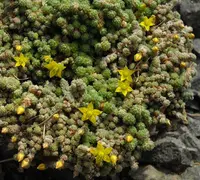
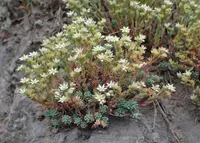
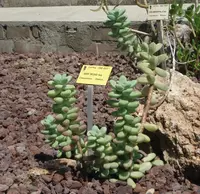
Sedum pallidum is a low-growing succulent groundcover known for its tiny, fleshy leaves and dense, mat-forming habit. It often shows soft green to bluish foliage that can blush pink under strong light or cool temperatures.

This species is native to rocky, sun-exposed areas in parts of Europe and western Asia, where it clings to shallow, well-drained soils. Its drought tolerance and compact size make it suitable for rock gardens, green roofs, and containers.

The plant is generally easy to grow, as it stores water in its leaves and copes well with neglect. For those who want to learn how to care for Sedum pallidum, it prefers bright light, minimal watering, and gritty, fast-draining soil.

Main Plant Requirements

Care Difficulty

Easy Care

Light Preference

Full Sun

Water Requirements

Low Water

Temperature Preference

Cold Hardy

Hardiness Zone

4–9

Soil Texture

Sandy, Loamy, Rocky

Soil pH

Acidic (5.5–6.5), Slightly acidic (6.5–7.0)

Soil Drainage

Well-drained

Fertilization

Minimal (feed rarely)

Get Personalized Care Plan

Scan your plant to receive care tips personalized for your specific plant

Available on iOS and Android

How to Care for the Sedum pallidum

This low-growing stonecrop thrives in bright outdoor conditions with plenty of direct sun.

  • Provide 6–8 hours of direct sun daily; full morning sun with light afternoon shade works best in hot summers.
  • Tolerates light partial shade, but growth becomes looser and color duller if it receives under 4 hours of direct light.
  • In very intense summer sun, especially in dry, reflective spots, leaves of Sedum pallidum can scorch; add slight afternoon shade or move away from south-facing walls.

This succulent prefers infrequent, deep watering and fast-drying soil.

  • Water only when the top 3–5 cm of soil are completely dry; in most outdoor beds this means waiting several days to weeks between soakings.
  • Use sharply draining, gritty soil or a rock garden setting so water never sits around the roots, which reduces risk of rot and fungal issues.
  • Reduce watering further in cool seasons; shriveling, soft leaves indicate underwatering, while mushy, translucent foliage signals overwatering in Sedum pallidum.

This hardy species tolerates a wide temperature range but grows best in moderate conditions.

  • Active growth is strongest around 60–75°F (16–24°C), with compact mats and steady new shoots in spring and early summer.
  • Mature plants usually survive down to about -20°F (-29°C) in well-drained soil, though repeated freeze–thaw cycles can damage roots in waterlogged sites.
  • Handles summer heat up to about 90–95°F (32–35°C) if soil drains quickly; prolonged extreme heat with drought may cause temporary leaf drop and dormancy.

This succulent tolerates a wide humidity range and rarely needs special humidity management indoors.

  • Aim for 30–50% humidity, similar to most heated or air-conditioned homes.
  • Dry indoor air is usually fine; problems appear more from overwatering than from low humidity.
  • If leaf tips shrivel while the mix stays dry for long periods, use a small pebble tray nearby rather than misting the foliage.

Sedum pallidum prefers very fast-draining, mineral-rich soil that prevents water from lingering around the roots.

  • Use a gritty, sandy mix such as 50–70% inorganic material (pumice, perlite, coarse sand) blended with 30–50% cactus potting mix.
  • Aim for slightly acidic to neutral pH around 6.0–7.0, which supports nutrient uptake without promoting salt buildup.
  • Ensure the mix feels loose and crumbly; break up clods to maintain air spaces that keep the shallow roots oxygenated.
  • Avoid heavy garden loam, peat-heavy compost, or mixes that stay wet longer than 2–3 days after thorough watering.

This species is very suitable for container growing, especially in shallow bowls, troughs, or wall planters.

  • Choose a low, wide pot to match its mat-forming habit so stems can spread and root along the surface without crowding.
  • Use containers with large or multiple drainage holes so brief cloudbursts or heavy watering can escape quickly.
  • Opt for unglazed terracotta or similarly porous materials when outdoor rain is frequent, to help excess moisture evaporate between waterings.

This mat-forming succulent grows well in lean soil, so Sedum pallidum needs only light feeding in containers or very poor ground.

  • Use a diluted balanced liquid fertilizer (around 10-10-10 or 20-20-20 at 1/4–1/2 strength) for potted plants.
  • Feed every 4–6 weeks during active growth in spring and summer if growth looks weak or pale.
  • Skip fertilizer in fall and winter when growth slows or plants are dormant.
  • Avoid heavy compost or rich slow-release products that keep soil too moist or overly fertile.

Sedum pallidum benefits from light, periodic pruning to keep the mat dense and tidy.

  • Best time is late winter to early spring, before strong new growth starts.
  • Snip off dead, damaged, or leggy stems with clean, sharp scissors or small pruners.
  • Trim back overly thick or crowded areas to encourage branching and a low, even carpet.
  • Remove spent flower stems after blooming to maintain a neat appearance and reduce self-seeding.

This shallow-rooted groundcover is usually transplanted rather than frequently repotted.

  • Transplant in spring or early fall when temperatures are mild and soil is workable.
  • Move clumps when you see bare patches, congested mats, or poor vigor in older areas.
  • Lift sections with a trowel, keeping some soil around the roots, and replant at the same depth into well-drained soil.
  • Water lightly after transplanting, then allow the soil to dry between waterings to limit root stress and rot.

Sedum pallidum spreads readily, and gardeners often renew patches through simple propagation methods.

  • Best season is spring to early summer, when stems are actively growing.
  • Take short stem cuttings, let cut ends dry for 1–2 days, then place on or in gritty, well-drained mix.
  • Divide established mats by lifting sections and gently pulling or cutting them into smaller clumps.
  • For seed, sow on the surface of a sandy mix, keep lightly moist, and provide bright, indirect light.

This species is generally cold hardy in many temperate climates and usually needs minimal winter attention.

  • Plants in the ground tolerate frost and snow once established, especially in well-drained soil.
  • Apply a light, dry mulch around, not over, crowns in very cold regions to buffer freeze–thaw cycles.
  • For containers, use a fast-draining mix and move pots to a sheltered, unheated spot to avoid waterlogged, frozen soil.

Care Tips

Encourage Dense Mats

Pinch or trim lightly after flowering to promote branching and tighter groundcover, then allow clippings to dry for a day and replant them in gaps to thicken the carpet.

Improve Winter Drainage

In cold, wet climates, top-dress around plants in fall with a 1–2 cm layer of fine gravel to keep crowns dry and reduce winter rot while still allowing new shoots to emerge in spring.

Use Stone Edging

Plant near rocks or paving stones that absorb heat and shed water; this slightly warmer, sharper-draining microclimate helps reduce crown damage in heavy spring rains.

Divide Aging Clumps

Every 3–4 years, lift and gently pull apart congested mats in early spring, replanting only the firm, healthy sections to maintain vigor and avoid die-out in the center.

Monitor For Mealybugs

Check between stems and leaf clusters a few times per year and, at the first sign of mealybugs, remove infested stems and treat remaining plants with a systemic insecticide labeled for succulents to keep caring for Sedum pallidum manageable over time.

Common Pests and Diseases

Mealybugs

This pest feeds on succulent stems and leaf joints, sucking sap and leaving cottony white clusters on the plant. Symptoms include stunted growth, yellowing, and sticky honeydew that can attract sooty mold.

Solution

Isolate affected plants, then dab visible mealybugs with cotton swabs dipped in 70% isopropyl alcohol and repeat weekly until no new pests appear. For larger infestations, rinse the plant thoroughly with a strong but controlled stream of water and use a ready-to-use insecticidal soap or neem oil spray on all surfaces, ensuring good airflow and drier conditions to discourage reinfestation.

Aphids

These insects cluster on tender new growth and flower stems, sucking plant juices and causing distorted, curled, or sticky foliage. Honeydew deposits can promote black sooty mold on leaves and nearby surfaces.

Solution

Spray the plant with a firm stream of water to dislodge aphids, repeating every few days as needed. If colonies persist, apply insecticidal soap or a light neem oil spray in the early morning or evening, coating the undersides of leaves and stems, and reduce nearby nitrogen-rich fertilization that can encourage soft, aphid-prone growth.

Spider mites

This pest thrives in hot, dry conditions and can cause pale stippling, dull foliage, and fine webbing between leaves and stems. Symptoms include gradual weakening of the mat and patchy dieback in dense plantings.

Solution

Increase humidity around container-grown plants slightly and rinse foliage thoroughly, focusing on leaf undersides and tight crevices. For ongoing issues, use insecticidal soap or a miticide labeled for ornamental succulents, apply in 2–3 rounds at 5–7 day intervals, and avoid excessive heat and drought stress that favor mite outbreaks.

Botrytis blight

This disease is a gray mold that attacks succulent leaves and stems, especially in cool, damp, and crowded conditions. Symptoms include water-soaked spots that turn brown and mushy, often covered with fuzzy gray spores.

Solution

Remove and discard all affected leaves and stems, then improve airflow by thinning dense patches and avoiding overhead watering. Allow the soil surface to dry between waterings, and if conditions stay cool and wet, apply a fungicide labeled for Botrytis on ornamentals according to directions, focusing on vulnerable, shaded clumps and nursery stock when caring for Sedum pallidum.

Powdery mildew

This disease appears as white, powdery patches on leaves and stems, which can lead to dull, distorted foliage and reduced vigor. Symptoms include slow spread across closely spaced rosettes or mats, especially where air movement is poor.

Solution

Remove heavily affected sections and increase spacing or thin the planting to improve airflow and light penetration. Water at the soil level, avoid wetting foliage, and, if needed, treat with a sulfur-based or potassium bicarbonate fungicide labeled for ornamental plants, applying in dry weather and repeating as directed until new growth remains clean.

Interesting Facts

Alpine stone crevice specialist

This species is naturally native to rocky slopes and limestone crevices in southeastern Europe and western Asia, where its dense roots anchor into shallow pockets of mineral soil and fine gravel. It often forms low mats that stabilize thin substrates in exposed alpine and subalpine sites.

Color-shifting summer foliage

The typically pale green leaves can flush pink to reddish under strong sun, drought, or cool nights, due to increased production of protective pigments called anthocyanins. This stress response helps shield leaf tissues from excess light and ultraviolet radiation.

Cold-tolerant mat former

Sedum pallidum survives freezing winters by retreating into compact rosettes close to the ground, which reduces exposure to cold, wind, and desiccation. In spring it quickly resumes growth and can spread to form tight, carpet-like colonies over stones and poor soils.

Botan icon

Did you know?

In parts of its native range, Sedum pallidum is an early colonizer of disturbed, stony ground, and its persistent root systems and slowly spreading mats help create the first thin organic layer that later supports more demanding plant species.

FAQs about Sedum pallidum

This species forms a low, slowly spreading mat through short stems and light self-seeding. It usually stays well behaved in most gardens and is not considered aggressively spreading when given typical spacing and dry, lean conditions.

Grow Healthy Plants with Botan Care

Keep your plants happy and healthy with plant identification, disease detection, and easy care guidance.

Botan plant care app — identify plants on mobile

Explore More Plants