Sedum humifusum Care

Sedum humifusum

About Sedum humifusum

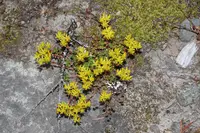
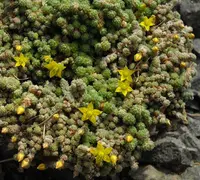
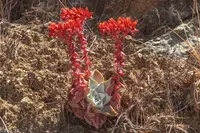
Sedum humifusum is a low-growing, mat-forming succulent often used as a groundcover or in rock gardens and containers. It belongs to a group of hardy stonecrops valued for their drought tolerance.

The plant forms dense carpets of small, fleshy leaves that can take on reddish tones in strong light, with tiny star-shaped flowers appearing in season. It is native to rocky, well-drained habitats in parts of Europe, which explains its preference for sun and lean, gritty soil.

These traits make it adaptable and generally easy to grow, provided excess moisture around the roots is avoided. Understanding how to care for Sedum humifusum mainly involves protecting it from waterlogged conditions and very heavy shade.

Main Plant Requirements

Care Difficulty

Easy Care

Light Preference

Full Sun

Water Requirements

Low Water

Temperature Preference

Cold Hardy

Hardiness Zone

5–9

Soil Texture

Sandy, Loamy, Rocky

Soil pH

Slightly acidic (6.5–7.0), Neutral (7.0)

Soil Drainage

Well-drained

Fertilization

Minimal (feed rarely)

Get Personalized Care Plan

Scan your plant to receive care tips personalized for your specific plant

Available on iOS and Android

How to Care for the Sedum humifusum

This low, mat-forming succulent thrives in bright, open conditions with plenty of direct sun.

  • Provide 6–8 hours of direct sun daily; morning to early afternoon sun is ideal for compact growth and strong color in Sedum humifusum.
  • Plant in an open, unshaded spot; it tolerates light partial shade (2–3 hours) but stems may stretch and foliage color can fade.
  • In very hot, dry climates, give light afternoon shade or filtered light to limit leaf scorch and excessive substrate drying, especially in shallow soils.

This drought-tolerant succulent prefers infrequent, deep watering and fast-drying soil.

  • Allow soil to dry at least in the top 3–5 cm before watering; in sandy ground this may mean every 7–14 days in warm weather, less often in cool seasons.
  • Use very well-drained, gritty soil so water drains within seconds; avoid sites where water puddles or soil stays wet for more than 1 day.
  • Watch for mushy, translucent leaves and blackened stems as signs of overwatering, and shriveled, wrinkled foliage as a cue that Sedum humifusum needs moisture.

This hardy groundcover succulent tolerates a wide temperature range but grows best in moderate warmth.

  • Active growth occurs around 65–80°F (18–27°C); it handles summer heat up to about 90–95°F (32–35°C) if soil is well drained and not waterlogged.
  • Most forms are cold-hardy to roughly 0°F (−18°C) when planted in the ground with sharp drainage, but foliage may burn or die back in harder frosts.
  • In regions with hot summers and cold winters, expect slow growth in cool spring and autumn, dormancy or reduced growth below 45°F (7°C), and possible stress above 95°F (35°C) without some afternoon shade.

This succulent tolerates a wide humidity range and rarely needs special humidity management indoors.

  • Target 30–50% humidity, similar to most heated or air-conditioned homes.
  • Dry air is usually tolerated, but combined with heat it can cause soft, shriveled leaves and faster soil drying.
  • If air is very dry, group pots together and keep a shallow tray of water nearby rather than misting.

This plant needs sharply draining, mineral-rich soil that dries quickly between waterings.

  • Use a gritty mix of roughly 50–70% mineral material such as coarse sand, pumice, or small grit, blended with 30–50% lean potting mix.
  • Aim for pH 6.0–7.5, which suits Sedum humifusum and helps roots absorb nutrients efficiently.
  • Improve aeration by avoiding fine peat-heavy mixes that compact; add extra perlite or pumice if water lingers more than 1 day.
  • Avoid dense, clay-based, or water-retentive soils, which promote root rot and weak, elongated growth.

This species is well suited to container growing due to its shallow, spreading root system.

  • Choose a wide, shallow pot to accommodate its mat-forming spread while preventing deep, wet zones in the substrate.
  • Select unglazed terracotta if extra evaporation is needed in wet or cool climates to reduce prolonged soil moisture.
  • Elevate the container or use pot feet so drainage holes stay clear, allowing rapid runoff and preventing water from pooling at the base.

This low-growing succulent needs only light feeding to stay compact and healthy in typical home or garden conditions.

  • Use a balanced, low-strength liquid fertilizer (around 10-10-10) diluted to 1/4–1/2 strength for Sedum humifusum in containers.
  • Feed once in mid-spring and again in mid-summer during active growth; skip extra doses if growth already looks strong.
  • Avoid fertilizing in fall and winter, when growth slows, to prevent weak, stretched stems.
  • Choose organic compost or a gentle slow-release product for outdoor plantings with very poor, sandy soils only.

Pruning helps keep Sedum humifusum dense, tidy, and free of dead material, but only light work is needed.

  • Best time is early spring, after hard frosts, to shape plants before strong new growth starts.
  • Snip off dead, mushy, or winter-damaged stems with clean scissors or small pruners, cutting back to firm tissue.
  • Trim back overly long or crowded runners to encourage a denser mat and more even coverage.
  • After flowering, shear lightly to remove spent flower stalks and maintain a low, uniform carpet.

This mat-forming succulent prefers shallow, well-drained conditions and only occasional repotting or transplanting.

  • Repot containers when roots circle the pot, soil dries extremely fast, or growth becomes stunted despite good light.
  • Best timing is spring, just as new growth starts, to allow Sedum humifusum to reestablish quickly.
  • Typically move to a slightly wider, shallow pot every 2–3 years, using gritty cactus or succulent mix.
  • Minimize root stress by gently loosening the root ball, replanting at the same depth, and watering lightly once to settle soil.

This species is commonly propagated to expand groundcover patches or refresh older plantings.

  • Take 3–5 in stem cuttings in late spring or early summer and let cut ends dry 1–2 days before planting.
  • Press cuttings or individual leaf segments onto barely moist, gritty mix in bright, indirect light.
  • Keep temperatures around 65–75°F and avoid overwatering; slight dryness encourages rooting.
  • Division of dense mats in spring also works well; replant sections promptly and water once to settle them.

This hardy groundcover usually needs minimal winter care in regions with cold, dryish winters.

  • Established plants tolerate frost and light freezes; overly wet winter soil is a bigger risk than low temperatures.
  • Add a thin gravel or stone mulch around crowns in fall to improve drainage and reduce freeze–thaw heaving.
  • In very cold or wet climates, grow in containers and move to a bright, cool, frost-free spot for winter.

Care Tips

Encourage Dense Mats

Pinch back soft tips in spring and early summer to encourage side branching and a tighter, more carpet-like mat rather than long, sparse runners.

Rooting Stem Offcuts

Press healthy stem pieces onto the soil surface and secure with small wire U-pins or bent paperclips so the nodes stay in contact with the substrate and root quickly, filling bare gaps.

Prevent Winter Rot

In regions with wet winters, slightly tilt containers or plant on small mounds or slopes so excess water drains away from crowns, reducing cold-season rot risk.

Use Grit Topdressing

Apply a 0.5–1 cm layer of horticultural grit or small gravel on the soil surface to keep leaf bases dry, limit algae and moss, and improve airflow around stems.

Control Spread Edges

Install a 5–8 cm deep physical edging or shallow buried barrier around beds to keep the mat contained and make caring for Sedum humifusum easier in mixed plantings.

Common Pests and Diseases

Mealybugs

This pest appears as small white cottony clusters tucked into leaf joints and along stems, often causing distorted growth and sticky honeydew. Symptoms include slowed growth and occasional sooty mold on the sugary deposits.

Solution

Isolate the plant, then dab visible insects with cotton swabs dipped in 70% isopropyl alcohol and repeat weekly until gone. For larger infestations, rinse stems and rosettes with a strong but controlled stream of water, then apply a neem oil or insecticidal soap spray labeled for succulents, ensuring good drying and strong light afterward.

Aphids

These insects form dense clusters on tender new growth and flower stems, sucking sap and causing curling or yellowing of the small leaves. Sticky honeydew can attract ants and support sooty mold growth.

Solution

Spray the plant with a firm stream of water to dislodge aphids, paying attention to new shoots and flower stalks. Follow with an application of insecticidal soap or neem oil in the cool part of the day, and repeat every 5–7 days until populations stay low, while also reducing excess nitrogen fertilization that encourages soft, aphid-prone growth.

Slugs and snails

This pest feeds at night on low, spreading mats, leaving irregular holes and chewed leaf edges, especially in humid or shaded spots. Silver slime trails are often visible on or near the plant.

Solution

Hand-pick slugs and snails in the evening or early morning and remove nearby hiding places such as boards or dense debris. Use iron phosphate bait around, not on, the planting area and keep the mat slightly drier at the surface by avoiding overhead evening watering.

Powdery mildew

This disease produces a fine white or gray powder on leaves and stems, usually when warm days combine with cool, humid nights. Symptoms include dull, blotchy foliage and reduced vigor, especially in crowded groundcover patches.

Solution

Improve air circulation by thinning crowded sections, trimming back heavily affected stems, and avoiding overhead watering late in the day. In persistent cases, use a labeled sulfur or potassium bicarbonate fungicide applied during dry weather, and maintain the plant in full sun with well-drained soil to reduce future outbreaks.

Interesting Facts

Mat-Forming Rock Specialist

This species naturally grows in rocky crevices and thin, gravelly soils in parts of western North America, forming low, spreading mats that help stabilize shallow substrates against erosion.

Tiny Overlapping Leaves

Its small, tightly packed, succulent leaves overlap like shingles, a growth pattern that reduces exposed surface area and limits water loss in its dry, high-light habitats.

Cold-Hardy Succulent Carpet

Unlike many succulents from warmer regions, it tolerates substantial frost and snow cover, remaining viable through cold winters and resuming growth once temperatures rise.

Botan icon

Did you know?

In habitat, this species often roots at stem nodes as it spreads, creating genetically identical clonal patches that can slowly carpet suitable rocky areas over many years, allowing it to persist in very isolated, nutrient-poor microhabitats.

FAQs about Sedum humifusum

This species forms a low, creeping mat but is not usually aggressive. It spreads slowly by short stems and rooting nodes. Simple edging or occasional trimming keeps it neatly contained in rock gardens, troughs, or between pavers.

Grow Healthy Plants with Botan Care

Keep your plants happy and healthy with plant identification, disease detection, and easy care guidance.

Botan plant care app — identify plants on mobile

Explore More Plants