Sedum treleasei Care

Sedum treleasei

About Sedum treleasei

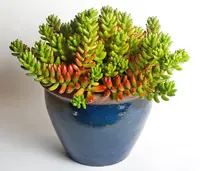
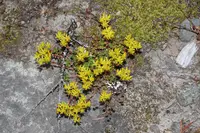
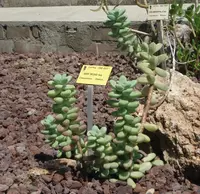
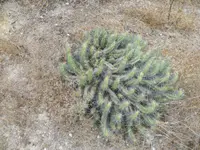
Sedum treleasei is a compact, clumping succulent from Mexico, valued for its plump, bluish-green leaves that can blush pink or yellow in strong light. The stems form low mounds that slowly spread, making it suitable for containers, rock gardens, and mixed succulent plantings.

This species prefers bright light, low to moderate watering, and very well-drained, gritty soil. Its thick leaves store water, which makes it drought-tolerant and generally forgiving if watering is inconsistent.

Because of its resilience and slow growth, many growers find it straightforward to care for Sedum treleasei, provided it is protected from prolonged frost and soggy soil.

Main Plant Requirements

Care Difficulty

Easy Care

Light Preference

Full Sun

Water Requirements

Low Water

Temperature Preference

Warm Climate

Hardiness Zone

9–11

Soil Texture

Sandy, Loamy, Rocky

Soil pH

Slightly acidic (6.5–7.0), Neutral (7.0)

Soil Drainage

Well-drained

Fertilization

Minimal (feed rarely)

Get Personalized Care Plan

Scan your plant to receive care tips personalized for your specific plant

Available on iOS and Android

How to Care for the Sedum treleasei

This succulent prefers bright, direct light but needs protection from extreme afternoon sun in hot climates.

  • Provide 4–6 hours of morning sun or soft late-afternoon sun; in very hot regions, give light shade during the harshest midday hours.
  • Sedum treleasei tolerates light partial shade, but stems may stretch and leaf color fades if it receives under 3–4 hours of direct sun daily.
  • Watch for red or brown leaf scorch as a sign of too much intense sun, and pale, elongated growth as a sign of insufficient light, especially in winter.

This drought-tolerant succulent needs infrequent but thorough watering in fast-draining soil.

  • Allow the top 3–5 cm of soil to dry completely before watering; in warm growing seasons this may mean watering every 7–14 days, less often in cool weather.
  • Use gritty, sharply draining soil so excess water flows out quickly, reducing the risk of root rot and split leaves after heavy watering.
  • Shriveling, soft leaves indicate underwatering, while mushy, translucent, or dropping leaves signal overwatering problems in Sedum treleasei.

This species prefers warm, dry conditions and does best when protected from hard frost and extreme heat.

  • Aim for active growth temperatures around 65–80°F (18–27°C), with drier soil and slightly cooler nights improving resilience.
  • Protect plants when temperatures drop near 32°F (0°C); brief light frost may burn leaf tips, while sustained cold below 25°F (-4°C) can kill roots and stems.
  • In hot spells above 90°F (32°C), give light shade and avoid watering during the hottest part of the day to reduce heat and moisture stress.

This succulent tolerates typical indoor humidity and rarely needs special adjustments.

Sedum treleasei prefers a mineral, fast-draining substrate that prevents water from sitting around the roots.

  • Use a gritty mix such as 50–70% inorganic material (pumice, coarse perlite, or crushed granite) blended with a cactus potting base.
  • Aim for a loose, sandy or loamy structure that breaks apart easily in the hand and never compacts around the roots.
  • Keep pH slightly acidic to neutral, around 6.0–7.0, which most commercial cactus mixes already provide.
  • Avoid peat-heavy, dense, or moisture-retentive mixes that stay wet for more than 2–3 days after watering.

This species is well suited to container growing when the pot and drainage are chosen carefully.

  • Select a shallow, wide pot to accommodate the spreading habit and keep the root zone from holding excess moisture in deeper layers.
  • Choose unglazed terracotta if extra evaporation is needed in cooler or more humid climates to prevent prolonged wetness.
  • Place the container where trailing stems cannot be knocked or snagged, as broken leaves are slow to regrow and can rot if trapped against wet surfaces.

This succulent has low nutrient needs, but light feeding supports compact, healthy growth in Sedum treleasei.

  • Use a balanced liquid fertilizer (around 10-10-10 or 20-20-20) diluted to 25–50% strength for container plants.
  • Feed every 4–6 weeks during spring and summer when active growth is strongest.
  • Skip or very lightly feed in fall and avoid fertilizing in winter dormancy.
  • Choose a cactus/succulent formula or add a small amount of compost, ensuring soil drains very well.

Pruning focuses on maintaining shape and removing weak growth rather than heavy cutting in Sedum treleasei.

  • Pinch or cut back leggy stems in spring or early summer to encourage a compact, branching habit.
  • Remove dead, shriveled, or damaged stems and leaves with clean, sharp scissors or snips.
  • Thin crowded stems so that light reaches inner growth and air can circulate around the plant.
  • Use short, angled cuts above healthy nodes, and allow cut surfaces to dry to reduce rot risk.

This succulent prefers slightly tight quarters and only needs infrequent repotting or transplanting.

  • Repot every 2–3 years or when roots circle the pot, drainage slows, or growth becomes weak.
  • Plan to repot in spring, when new growth starts and the plant recovers fastest from root disturbance.
  • Use a shallow, wide pot with drainage holes and a gritty cactus mix to limit moisture around roots.
  • Gently loosen the root ball, remove old soggy soil, and keep roots mostly intact; water lightly after 2–3 days of recovery.

New plants are most often produced from stem or leaf cuttings rather than seed in Sedum treleasei.

  • Take healthy stem or plump leaf cuttings in spring or early summer for best rooting success.
  • Allow cut ends to dry and callus for 1–3 days before placing on or in slightly moist, gritty mix.
  • Provide bright, indirect light and warm conditions around 70–75°F to encourage root formation.
  • Water sparingly until strong roots develop, then transition gradually to normal succulent care.

This tender succulent is not frost hardy and needs protection in cold climates.

  • Move container plants indoors before temperatures drop below 35–40°F, giving them bright light and drier soil.
  • In mild regions, grow in very well-drained soil and consider a gravel mulch to keep the crown dry.
  • Reduce watering in winter so the roots stay just barely moist and avoid cold, wet soil conditions.
  • Keep plants away from freezing windows or drafts to prevent tissue damage on fleshy leaves and stems.

Care Tips

Strategic stem pinching

Pinch back the soft tips of elongated stems in early spring to encourage branching and create a denser, more compact mound instead of a few floppy shoots.

Pebble topdressing use

Add a 0.5–1 in layer of coarse gravel or pumice around the base of the plant to keep leaves off wet soil, reduce rot risk, and stabilize top-heavy rosettes.

Propagation rotation plan

Take 2–3 healthy stem cuttings or leaf cuttings each year and root them in a separate pot so you always have younger plants ready to replace older, woodier growth.

Overwinter light adjustment

If growing Sedum treleasei indoors, move the plant to the brightest possible window or under a grow light from late fall to early spring to reduce stretching and leaf drop during low-light months.

Container renewal schedule

Repot into fresh, very gritty mix every 2–3 years and gently replant only the firm, plump stems, discarding any shriveled or heavily scarred sections to maintain a vigorous, attractive clump.

Common Pests and Diseases

Mealybugs

This pest feeds on the plant’s sap and hides in leaf axils and between tightly packed leaves, often appearing as small white cottony clusters. Symptoms include sticky honeydew, distorted new growth, and slow decline in stressed rosettes.

Solution

Isolate the plant, then dab visible insects with cotton swabs dipped in 70% isopropyl alcohol and repeat weekly until no new clusters appear. Improve light and airflow, avoid overfertilizing, and use a light application of insecticidal soap or a systemic insecticide labeled for succulents if the infestation is widespread.

Aphids

These insects cluster on soft new growth and flower stalks, sucking sap and causing curling, yellowing, or stunted tips. Sticky honeydew and sooty mold may appear on leaves and nearby surfaces.

Solution

Rinse colonies off with a firm stream of water, then treat tender areas with insecticidal soap or a neem oil spray, applied in the early morning or evening. Reduce nitrogen-heavy fertilizing that encourages soft growth and monitor new shoots frequently during warm, active growing periods when growing Sedum treleasei outdoors or in containers.

Spider mites

This pest thrives in hot, dry conditions and feeds on the undersides of leaves, leading to fine speckling, dull coloration, and eventual leaf drop. Fine webbing may appear between leaves and along stems on heavily infested plants.

Solution

Shower the plant thoroughly to remove mites and webbing, then treat with repeated applications of insecticidal soap or neem oil, focusing on the undersides of leaves. Increase humidity slightly around the plant without keeping foliage wet for long periods and avoid prolonged heat stress to reduce future outbreaks.

Fungal leaf spots

This disease is favored by prolonged moisture on leaves and poor airflow, causing small brown or black lesions that may coalesce and scar the fleshy foliage. Symptoms include cosmetic damage and, in severe cases, premature leaf drop on lower, shaded areas.

Solution

Remove affected leaves and any fallen debris, then adjust watering to keep foliage dry and water only at the soil level. Improve spacing and airflow, protect the plant from frequent overhead rain or misting, and apply a sulfur- or copper-based fungicide only if new spots continue to appear.

Bacterial soft rot

This disease attacks damaged or overwatered tissue, especially at the base of stems or injured leaves, producing mushy, water-soaked areas with a foul odor. Symptoms include rapid collapse of affected parts and spreading decay in humid, poorly ventilated conditions.

Solution

Immediately cut away all soft, discolored tissue well into healthy firm tissue, using sterilized tools, and discard contaminated material. Allow remaining parts to dry, then repot in a fast-draining succulent mix, reduce watering, and improve light and airflow; severely affected plants are best discarded to protect nearby succulents.

Interesting Facts

Mexican limestone specialist

This species is native to the rocky slopes of Oaxaca, Mexico, where it often anchors itself in shallow pockets of soil over limestone, tolerating intense sun and significant daily temperature swings.

Powdery leaf coating

Its blue-green leaves have a waxy, glaucous coating that scatters light and reduces water loss, which is why the foliage looks powdery and can rub off if handled frequently.

Easily propagated offsets

Mature plants form dense clusters by producing numerous basal offsets around the main rosette, a clonal growth habit that helps stabilize loose, stony substrates on steep slopes.

FAQs about Sedum treleasei

Brown leaves usually result from underwatering, intense direct sun scorch, or sudden cold exposure. Check the root zone, increase watering slightly if soil is bone-dry, and shield the plant from harsh midday sun and frost.

Grow Healthy Plants with Botan Care

Keep your plants happy and healthy with plant identification, disease detection, and easy care guidance.

Botan plant care app — identify plants on mobile

Explore More Plants