Dwala Aloe Care (Aloe chabaudii)

Also known as: Chabauds Aloe
Dwala Aloe

About Dwala Aloe

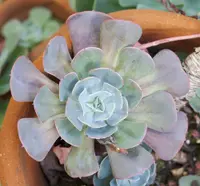
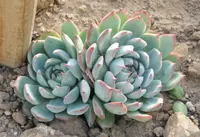
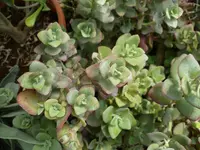
Dwala aloe (Aloe chabaudii) is a small to medium, stemless succulent forming tight rosettes of blue-green, slightly toothed leaves. Mature clumps create a low, architectural mound that suits rock gardens, containers, and dry borders.

It is native to southern Africa, where it grows in rocky, well-drained habitats and tolerates seasonal drought. Bright tubular flowers on tall stalks attract pollinators and add seasonal color.

This species is generally robust and forgiving if given strong light, gritty soil, and protection from prolonged cold and excess moisture. These traits make it relatively straightforward to care for Dwala Aloe for most home gardeners.

Main Plant Requirements

Care Difficulty

Easy Care

Light Preference

Full Sun

Water Requirements

Low Water

Temperature Preference

Warm Climate

Hardiness Zone

9–11

Soil Texture

Sandy, Loamy, Rocky

Soil pH

Acidic (5.5–6.5), Slightly acidic (6.5–7.0)

Soil Drainage

Well-drained

Fertilization

Minimal (feed rarely)

Get Personalized Care Plan

Scan your plant to receive care tips personalized for your specific plant

Available on iOS and Android

How to Care for the Dwala Aloe

This succulent thrives with bright, direct sun but benefits from protection during the hottest hours in very hot climates.

  • Provide 4–6 hours of direct morning sun, with light afternoon shade or filtered light in regions with intense summer heat.
  • Aloe chabaudii, often called Dwala Aloe, tolerates light partial shade but may grow looser and flower less if it receives under 3–4 hours of sun.
  • Watch leaves: strong silver-blue color and compact rosettes suggest enough light, while pale, stretched growth or leaning indicates insufficient sun.

This species prefers deep, infrequent watering and fast-draining soil to protect its fleshy roots.

  • Water only when the top 3–5 cm of soil are completely dry, then soak the root zone and let excess drain away fully.
  • During warm active growth, this may mean watering every 1–3 weeks, but in cool or cloudy periods it can stretch to 4–5 weeks or more.
  • For Aloe chabaudii, wrinkling or folding leaves signal thirst, while soft, yellowing, or translucent leaves indicate overwatering or poor drainage.

This aloe prefers warm, dry conditions and does best when protected from frost and extreme heat stress.

  • Ideal growing temperatures are 65–85°F (18–29°C), with strong light and good air movement to reduce disease risk.
  • Short dips to 30–32°F (-1–0°C) may be survived if the plant is dry, but repeated frost will scar or kill leaf tissue.
  • In hot spells above 95°F (35°C), provide some afternoon shade and avoid overhead watering in full sun to limit heat and sunburn damage.

Humidity is rarely a limiting factor for Aloe chabaudii in home or office conditions.

This aloe prefers a fast-draining, mineral-rich mix that dries quickly between waterings.

  • Use a cactus/succulent mix based on sandy or gritty material, not peat-heavy potting soil.
  • Improve drainage and aeration by adding 30–50% coarse sand, perlite, pumice, or small gravel to the base mix.
  • Aim for slightly acidic to neutral pH around 6.0–7.0 for stable nutrient availability in Aloe chabaudii.
  • Avoid dense, compacted, or water-retentive soils that stay wet for more than 2–3 days after watering.

This species is well suited to container growing when drainage and stability are managed carefully.

  • Choose a pot just 2–4 in wider than the root ball so the mix dries evenly and does not stay wet in unused areas.
  • Select a heavy terracotta or ceramic pot if the rosette becomes large, to reduce tipping in windy or exposed spots.
  • Raise the container slightly on feet or blocks so drainage holes clear the surface and water can exit quickly.

Aloe chabaudii benefits from light, controlled feeding rather than heavy fertilization.

  • Apply a balanced liquid fertilizer (for example 10-10-10) at 1/4–1/2 strength every 4–6 weeks during spring and summer.
  • Use a low-nitrogen cactus or succulent formula, or a small amount of well-aged compost around the root zone, not against the stem.
  • Suspend feeding for Dwala Aloe in fall and winter, when growth slows and nutrient demand drops.
  • Always water before fertilizing and avoid getting fertilizer on leaves to reduce the risk of root or leaf burn.

Aloe chabaudii needs only light, occasional pruning to stay healthy and tidy.

  • Best time to prune is in late winter to early spring, before strong new growth begins.
  • Remove dead, dried, or damaged leaves at the base with clean, sharp pruning shears or a knife.
  • Thin out crowded offsets only if needed to improve air flow and maintain a single rosette shape.
  • Cut spent flower stalks close to the base once they dry to direct energy back to foliage and roots.

Container-grown plants benefit from infrequent but careful repotting or transplanting.

  • Look for roots circling the pot, emerging from drainage holes, or noticeably slowed growth as signs it needs more space.
  • Plan to repot Aloe chabaudii every 3–4 years in late winter or early spring, just before active growth resumes.
  • Use a slightly larger pot with free-draining cactus mix, handling roots gently and removing only rotten or mushy tissue.
  • After repotting, keep the plant slightly dry for 5–7 days to let any root wounds callus and limit transplant shock.

This aloe is commonly propagated by separating offsets, with seeds used mainly for larger-scale growing.

  • Divide offsets in late spring or early summer when they have several leaves and a small root system.
  • Detach pups cleanly with a sterile knife, then let cut surfaces dry 1–3 days until a firm callus forms.
  • Plant offsets in a gritty, well-drained mix and keep just lightly moist in bright, indirect light until rooted.
  • For seed propagation, sow fresh seed on the surface of a cactus mix, keep at 70–75°F, and maintain barely moist conditions.

This aloe tolerates brief light frost but benefits from simple winter care, especially in containers.

  • In ground, use a 2–5 cm layer of coarse gravel or mineral mulch around the base to insulate the root zone.
  • Avoid prolonged exposure below about 25°F; repeated hard freezes can damage leaves and crowns.
  • Move container plants indoors or under cover in winter, providing bright light and very well-drained soil.
  • Water sparingly during cold months, allowing soil to dry well between waterings to reduce rot risk.

Care Tips

Winter rain protection

In regions with cool, wet winters, place the plant under a translucent roof edge or use a simple clear plastic rain cover with open sides to keep water off the rosette while still allowing airflow and light.

Rock mulch use

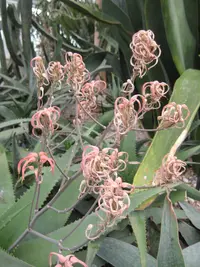
Apply a 2–3 cm layer of coarse gravel or small rocks around the base to keep leaves off wet soil, reduce rot risk, and visually mimic the rocky habitats this species prefers.

Offset management

Every 2–3 years, lift and divide crowded offsets in late spring, keeping only the strongest rosettes spaced 10–15 cm apart to maintain good airflow and prevent fungal problems.

Container weight stabilization

For outdoor pots in windy areas, use a heavy terracotta container and add a bottom layer of gravel to lower the center of gravity and prevent the rosette from tipping as it becomes top-heavy.

Gradual sun hardening

When moving nursery plants or indoor specimens outdoors, increase direct sun exposure over 10–14 days to avoid sun scorch, starting with bright shade and adding about 1–2 hours of direct morning sun every few days for optimal Aloe chabaudii care.

Common Pests and Diseases

Aloe mite

This pest causes distorted, swollen, or bumpy growth on leaves and around the rosette, often forming rough galls or cauliflower-like tissue. Symptoms include persistent deformation that does not improve with better care.

Solution

Remove and discard all affected leaves and rosettes, cutting well into healthy tissue, and bag the waste to prevent spread. Isolate the plant, disinfect tools with 70% alcohol or a 10% bleach solution after cutting, and if deformation continues on new growth, consider removing the entire plant to protect nearby aloes.

Aloe scale

These insects appear as small, hard, tan to brown bumps on leaves and stems, often along the midrib or leaf bases. This pest feeds on sap, causing yellow spots, thinning leaves, and sticky honeydew that can attract sooty mold.

Solution

Gently scrape or wipe off visible scale with a cotton pad dipped in 70% alcohol, then rinse the plant with a strong but controlled stream of water. For persistent infestations, repeat alcohol wipes weekly and use a systemic insecticide labeled for succulents, adjusting watering so the plant is not stressed during treatment.

Aphids

These insects cluster on young leaf bases, flower stalks, and buds, sucking sap and causing curling or misshapen soft growth. Honeydew secretions can make leaves sticky and encourage black sooty mold on the leaf surface.

Solution

Rinse colonies off with a firm stream of water and remove heavily infested flower stalks. If needed, apply an insecticidal soap or a neem oil spray to all leaf surfaces, including rosette centers, repeating every 5–7 days until no new aphids appear, and reduce excess nitrogen fertilization that encourages soft, aphid-prone growth.

Leaf spot

This disease produces small to medium brown, tan, or almost black spots on leaves, sometimes with a pale halo and occasional yellowing around lesions. Spots may coalesce into larger irregular patches under prolonged wet or humid conditions.

Solution

Cut off the most affected leaves, improving air movement around the rosette by avoiding tight crowding and overhead watering. Allow leaves to dry quickly after any moisture, water at the base in the morning, and if spotting progresses, apply a copper-based or other succulent-safe fungicide according to label directions while keeping the plant in bright, well-ventilated conditions.

Sun scorch

Symptoms include pale, bleached, or reddish patches on the upper leaf surfaces that can turn tan and dry, especially following sudden exposure to strong sun. Damaged areas do not recover and may make leaves more prone to secondary infections.

Solution

Move the plant to a position with bright light but some protection from intense midday sun, especially during heatwaves, and acclimate gradually when changing light levels. Remove only severely damaged leaves and avoid watering onto hot leaf surfaces; ensure good watering practices so the plant is hydrated before, not after, extreme heat to support stable Aloe chabaudii plant care.

Interesting Facts

Winter-blooming rosettes

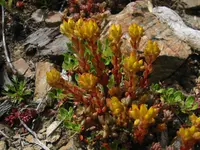
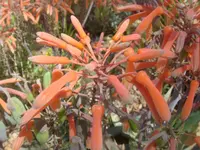
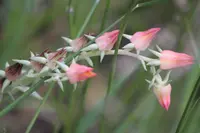
This species produces its tubular orange-red flowers in the cooler dry season, when many surrounding grasses are dormant, which makes the inflorescences highly visible to pollinators.

Zimbabwe granite specialist

Aloe chabaudii often grows on granite outcrops and rocky hillsides in Zimbabwe and neighboring regions, where its shallow, fibrous roots exploit small pockets of soil and capture brief rainfall efficiently.

Variable leaf markings

Populations show notable variation in leaf spotting and banding, from heavily speckled to almost plain green leaves, which helps botanists distinguish regional forms in the wild.

Botan icon

Did you know?

In parts of southeastern Africa, dense stands of Aloe chabaudii can create striking seasonal displays of red flower spikes across rocky slopes, and these mass-flowering events are important nectar resources for sunbirds and other pollinators at a time when few other plants are in bloom.

FAQs about Dwala Aloe

Lack of flowers often comes from insufficient light, a pot that is too small, or plants that are still immature. Cool, dry winter rest and enough sun in the growing season improve blooming, as does avoiding excessive nitrogen fertilizer.

Grow Healthy Plants with Botan Care

Keep your plants happy and healthy with plant identification, disease detection, and easy care guidance.

Botan plant care app — identify plants on mobile

Explore More Plants