Jewel Aloe Care (Aloe distans)

Also known as: Goldtooth Aloe
Jewel Aloe

About Jewel Aloe

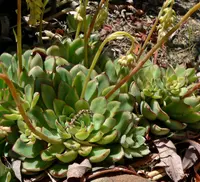
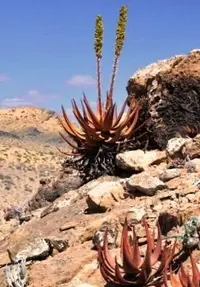
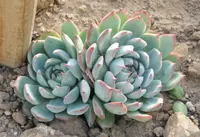
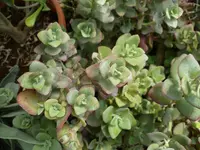
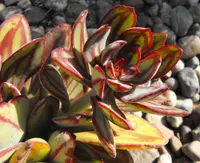
Jewel aloe (Aloe distans) is a compact, clustering succulent known for its rosettes of thick, triangular leaves covered in firm, pale teeth. Mature plants form low mats, and the foliage often shows blue-green to gray-green tones that can warm toward yellowish hues in strong light. This species is native to coastal regions of South Africa, where it grows in rocky, well-drained sites with strong sun and little rainfall. Its drought tolerance and slow, tidy growth make it relatively straightforward for beginners who want to learn how to care for Jewel Aloe. It generally prefers bright light, infrequent watering, and gritty, fast-draining soil.

Main Plant Requirements

Care Difficulty

Moderate Care

Light Preference

Full Sun

Water Requirements

Low Water

Temperature Preference

Tropical / Frost Sensitive

Hardiness Zone

10–11

Soil Texture

Sandy, Loamy, Rocky

Soil pH

Slightly acidic (6.5–7.0), Neutral (7.0)

Soil Drainage

Well-drained

Fertilization

Minimal (feed rarely)

Get Personalized Care Plan

Scan your plant to receive care tips personalized for your specific plant

Available on iOS and Android

How to Care for the Jewel Aloe

This sun-loving succulent needs bright light to maintain compact growth and strong leaf color.

  • Provide 4–6 hours of direct morning sun plus bright light the rest of the day; in very hot regions, give light afternoon shade to prevent scorch.
  • Outdoors, plant Jewel Aloe where midday sun is filtered by light canopy or shade cloth, especially in summer heat waves.
  • If growth stretches, color fades, or rosettes lean toward a window, the plant is not getting enough light and needs a brighter spot.

This drought-tolerant species needs infrequent, deep watering and fast drainage to avoid root rot.

  • Water only when soil is fully dry at least 5–8 cm down; in warm growing seasons this may mean every 10–21 days depending on climate and soil.
  • In winter or cool, low-light periods, reduce watering sharply and wait longer after the leaves firm up before adding water again.
  • Watch for soft, yellowing, or translucent leaves as a sign of overwatering in Aloe distans, and very thin, curling leaves as a sign of underwatering.

This succulent prefers warm, dry conditions and does not tolerate hard frost.

  • Aim for 65–80°F (18–27°C) for active growth, with slightly cooler nights improving color and overall vigor.
  • Protect from temperatures below 30–32°F (-1–0°C); frost can damage leaf tips first, then entire rosettes if exposure is prolonged.
  • In heat above 95°F (35°C), provide light shade and good air movement, and avoid reflected heat from walls or paving that can scorch tissue.

Humidity is rarely a concern for Aloe distans, which prefers dry air similar to arid climates.

  • Aim for 20–40% humidity, typical of heated or air-conditioned homes, to match its desert adaptation.
  • Plant tolerates very dry indoor air; problems usually arise only if humidity stays above 60% for long periods.
  • High humidity stress appears as soft, waterlogged leaves and slow rot at the base; improve air flow and avoid clustering Jewel Aloe with moisture-loving plants.

Aloe distans needs a fast-draining, mineral-heavy mix that keeps roots dry between waterings.

  • Use a sandy or gritty mix made from 50–70% inorganic material such as coarse sand, pumice, or perlite, with the rest a lean cactus potting base.
  • Target slightly acidic to neutral pH around 6.0–7.0, avoiding strongly acidic or alkaline mixes that can limit nutrient uptake.
  • Improve aeration by adding large-grain pumice or crushed lava rock so water drains in seconds, not minutes, after watering.
  • Avoid dense, peat-heavy, or clay-based substrates, which trap moisture around the roots and strongly increase the risk of rot in Aloe distans.

This species is well suited to container growing due to its compact, clumping habit.

  • Choose a wide, shallow pot to accommodate offsets and spreading roots without forcing them into deep, wet zones.
  • Select unglazed terracotta to promote evaporation through the pot walls, helping the mix dry faster between waterings.
  • Place the container where it cannot tip, as the rosette mass becomes heavier on one side and can destabilize light plastic pots.

Aloe distans benefits from light, controlled feeding during active growth but remains sensitive to excess salts.

  • Use a balanced liquid fertilizer (around 10-10-10 or 20-20-20) diluted to 25–50% strength for Jewel Aloe indoor care.
  • Apply every 4–6 weeks in spring and summer when growth is active.
  • Skip feeding in fall and winter, or limit to 1 very light application if growth continues under strong light.
  • Water with plain water between feedings to flush built-up salts and prevent root burn.

Aloe distans needs only light maintenance pruning to stay tidy and healthy.

  • Best time is late winter to early spring, before strong new growth begins.
  • Remove dead, dried, or damaged leaves at the base with a clean, sharp knife or pruners.
  • Thin out crowded offsets if rosettes press tightly against each other, improving airflow and form.
  • Discard flowering stalks after they dry to direct energy back into roots and foliage.

This aloe prefers a stable container but benefits from occasional repotting into fresh, gritty mix.

  • Plan to repot every 2–3 years in spring when roots circle the pot, growth slows, or mix breaks down.
  • Select a pot just 2–5 cm wider with drainage holes and a coarse cactus or succulent mix.
  • Gently loosen circling roots, remove old soil, and trim rotten roots with sterile tools to reduce stress.
  • Keep the plant slightly dry for 5–7 days after repotting, then resume light watering to encourage new root growth.

New Aloe distans plants are most reliably produced from offsets, with seeds used mainly by specialists.

  • Detach offsets in late spring or early summer once they have several leaves and a small root system.
  • Let cut surfaces dry and callus for 2–3 days in a shaded, airy place to reduce rot risk.
  • Plant offsets in a dry, gritty succulent mix, then water lightly after 3–5 days and keep warm and bright.
  • For seed, sow on the surface of fast-draining mix, keep at 70–80°F with bright indirect light, and maintain barely moist conditions until germination.

This species is tender and requires thoughtful winter care in regions with frost or prolonged cold.

  • Keep plants above 35–40°F; in colder climates, grow in containers and move indoors for winter.
  • Provide the brightest possible light indoors, such as a south-facing window or grow light.
  • Reduce watering substantially, allowing soil to dry almost completely to avoid cold, wet roots.
  • In mild climates, use a light gravel mulch around the base to insulate the root zone from brief cold snaps.

Care Tips

Manage Offsets

Use a clean, sharp knife to remove well-rooted offsets from the base in late spring, let the cuts dry 2–3 days, then pot pups separately to prevent overcrowding and improve airflow around the mother plant.

Protect Leaf Spines

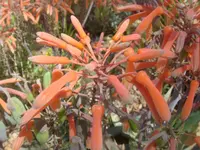
Position the plant where its hooked marginal spines are not brushed by passing traffic or pets, which reduces mechanical damage and secondary infections along wounded leaf edges.

Improve Winter Drainage

If grown outdoors in mild climates, tilt containers slightly or elevate them on pot feet before the rainy season so excess water drains quickly and roots stay drier in cool weather.

Rotate for Even Rosettes

Turn the pot 90° every 2–3 weeks so rosettes develop symmetrically and do not lean heavily toward one side, especially when trying to grow Aloe distans as a compact specimen.

Prevent Mealybug Pockets

Regularly inspect tight leaf bases and between offsets, and if mealybugs appear, dab them with cotton swabs dipped in 70% isopropyl alcohol before populations build up deep in the clump.

Common Pests and Diseases

Aloe mite

This pest causes abnormal, wart-like or coral-shaped growths on leaves and stems where plant tissue becomes distorted and rough. Symptoms include localized swellings that may turn brown over time.

Solution

Isolate the plant, then cut away all affected tissue well into healthy green tissue and discard it in the trash. Disinfect cutting tools with alcohol between cuts, keep the plant drier and in good airflow, and if new galls appear, treat regularly with a sulfur-based miticide labeled for ornamental succulents, following label directions carefully.

Aloe scale

These insects appear as small, hard, brown or gray bumps on leaves and around the base, often clustered in leaf axils and between spines. This pest sucks plant sap, which can lead to yellowing, wilting, or slow decline of clumps.

Solution

Physically remove visible scale with a cotton swab dipped in isopropyl alcohol and rinse the plant with a strong, lukewarm water spray, taking care not to damage the rosette. For persistent infestations, apply a horticultural oil or insecticidal soap specifically labeled for succulents, repeating every 7–10 days until no new scale appears and avoiding applications in strong direct sun to prevent leaf burn.

Mealybugs

These insects form white, cottony clusters in leaf crevices, on roots, and along the stems of offsets. This pest weakens plants by sucking sap and often promotes black sooty mold on the honeydew it excretes.

Solution

Remove and discard heavily infested offsets, then dab remaining mealybugs with a cotton swab soaked in 70% isopropyl alcohol and rinse the plant thoroughly after treatment. Allow soil to dry, inspect roots during repotting for hidden mealybugs, and use an insecticidal soap or systemic insect control labeled for succulents if the population continues to reappear.

Leaf spot

This disease produces small, sunken, brown or black spots on leaves that may enlarge and sometimes develop a pale halo. Symptoms include cosmetic damage at first, but in humid or crowded conditions lesions can merge and weaken the leaf tissue.

Solution

Remove and discard affected leaves, keep water off the foliage, and space plants to improve airflow around the rosettes. Let the soil dry thoroughly between waterings and, in persistent cases, apply a copper-based or other labeled fungicide for ornamental succulents, treating both upper and lower leaf surfaces according to label instructions.

Soft bacterial rot

This disease causes water-soaked, mushy, and foul-smelling areas at the leaf base or crown, often starting where water sits trapped between dense leaves in the clump. Symptoms include rapid collapse of affected sections and spreading decay if not removed promptly.

Solution

Cut out all soft, discolored tissue back to firm, green material using sterile tools, and discard all rotten parts immediately. Allow remaining tissue and cut surfaces to dry in bright, dry conditions with excellent airflow, avoid overhead watering, and in the future keep water away from the crown and ensure the plant is grown in very fast-draining soil to reduce the risk of recurrence when caring for Jewel Aloe.

Interesting Facts

Cape coastal specialist

This species is naturally restricted to rocky, coastal slopes in the Western Cape of South Africa, where it experiences strong winds, salty air, and intense sun exposure.

Hooked leaf teeth

Its leaves carry prominent, outward-curving, golden teeth along the margins, which help deter herbivores and also cast tiny shade patches on the leaf surface to reduce heat load.

Clumping growth habit

Over time it forms dense, low clumps of many rosettes rather than a tall stem, an adaptation that helps stabilize it on exposed slopes and share limited moisture between connected shoots.

Botan icon

Did you know?

In the wild, this species often grows just above the high-tide influence line, where it tolerates occasional salt spray that would damage many other succulents, making it one of the more salt-tolerant aloes in its native range.

FAQs about Jewel Aloe

This species usually flowers when mature, not too crowded, and receiving enough seasonal temperature and daylength changes. Outdoor plants in mild climates bloom more reliably than indoor ones. Flowering can skip some years without indicating poor health.

Grow Healthy Plants with Botan Care

Keep your plants happy and healthy with plant identification, disease detection, and easy care guidance.

Botan plant care app — identify plants on mobile

Explore More Plants