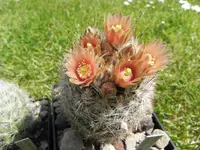
Mexican lime cactus Care (Ferocactus pilosus)

Also known as: Mexican fire barrel
Mexican lime cactus

About Mexican lime cactus

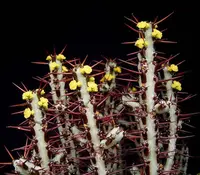
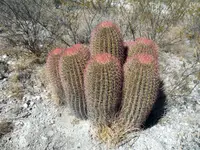
The Mexican lime cactus, Ferocactus pilosus, is a slow-growing, spherical to columnar desert cactus with prominent ribs and dense clusters of stiff spines. Mature plants often form tall, solitary columns that stand out as strong architectural accents in arid landscapes or container collections.

This species is native to arid and semi-arid regions of northeastern Mexico, where it grows in rocky, well-drained soils under intense sun. It is naturally adapted to drought and high light, so the main challenges in how to care for Mexican lime cactus involve avoiding overwatering and poorly draining soil.

Its tough structure and low water needs make it relatively easy for patient growers who can provide bright light, infrequent watering, and gritty, fast-draining substrate.

Main Plant Requirements

Care Difficulty

Easy Care

Light Preference

Full Sun

Water Requirements

Low Water

Temperature Preference

Tropical / Frost Sensitive

Hardiness Zone

9–11

Soil Texture

Sandy, Loamy, Rocky

Soil pH

Slightly acidic (6.5–7.0), Neutral (7.0)

Soil Drainage

Well-drained

Fertilization

Minimal (feed rarely)

Get Personalized Care Plan

Scan your plant to receive care tips personalized for your specific plant

Available on iOS and Android

How to Care for the Mexican lime cactus

This drought-tolerant cactus prefers strong, direct sun to maintain compact, healthy growth.

  • Provide 6–8 hours of full sun daily; in very hot climates, give Mexican lime cactus light afternoon shade to prevent scorching of the epidermis.
  • Outdoors, choose an open, south- or west-facing site; indoors, place at the brightest south-facing window with no obstructions.
  • In summer, gradually increase light exposure to avoid sunburn; in winter, maximize light, as low sun angles can cause weak, elongated growth.

This cactus is highly drought-adapted and must dry well between waterings to prevent root damage.

  • Water only when the top 3–5 cm of soil are completely dry; in hot growing seasons, this may mean watering every 10–21 days depending on climate and soil.
  • Use very fast-draining, gritty soil; water deeply until it drains out, then discard excess so roots are not left in standing water.
  • Overwatering shows as yellowing, soft tissue, or blackened stem base; severe wrinkling and shrinking ribs suggest underwatering, so water thoroughly if the soil is dry.

This desert cactus prefers warm conditions and is sensitive to prolonged cold and frost.

  • Aim for active growth temperatures of 70–90°F (21–32°C), with cooler, drier rest around 55–65°F (13–18°C) in winter if soil stays nearly dry.
  • Protect from frost; short dips to about 28–32°F (-2–0°C) may be survived only if completely dry, but repeated freezing greatly increases rot risk.
  • Tolerates heat up to 95–100°F (35–38°C) with strong air movement and dry soil; in extreme heat, avoid overhead watering in full sun to reduce tissue stress and scald.

Humidity is a minor factor for this cactus, which thrives in dry indoor air of 20–40%.

  • Tolerates very dry rooms without extra humidity, making Mexican lime cactus indoor care straightforward in most homes.
  • Watch for soft, pale, or rotting tissue at the base as a sign humidity is too high or airflow is poor.
  • If air is unusually humid, increase air movement with a small fan and keep the plant away from bathrooms or kitchens.

This cactus needs a very fast-draining, mineral-rich substrate to prevent root rot.

  • Use a gritty, sandy mix such as 50–70% inorganic material (pumice, coarse perlite, or 3–5 mm gravel) with 30–50% cactus potting mix.
  • Aim for slightly acidic to neutral pH around 6.0–7.0, which supports nutrient uptake without encouraging fungal issues.
  • Improve aeration by avoiding fine peat and using coarse particles that keep air gaps around roots, especially in deeper pots.
  • Avoid compacted, water-retentive garden soil or heavy compost that stays wet longer than 1–2 days after watering, as Ferocactus pilosus roots are sensitive to saturation.

This species is well suited to container growing due to its slow, compact, and deep-rooted habit.

  • Choose a pot slightly wider than the cactus but deep enough to accommodate a strong taproot without curling.
  • Select heavy clay or ceramic containers to stabilize the tall, spiny column and reduce tipping in windy outdoor spots.
  • Ensure large, unobstructed drainage holes so water exits rapidly, preventing accumulation at the base where roots are densest.

Ferocactus pilosus benefits from light, controlled feeding during its warm-season growth.

  • Use a low-nitrogen, balanced cactus fertilizer (for example 5-10-10) or a diluted general balanced NPK at 1/4–1/2 strength.
  • Feed once every 4–6 weeks from late spring to late summer for best Mexican lime cactus indoor care.
  • Avoid fertilizing in fall and winter when growth slows or stops.
  • Always apply fertilizer to slightly moist soil and never onto dry roots to reduce burn risk.

Ferocactus pilosus needs almost no pruning; focus on health and safety rather than shaping.

  • Carry out any pruning in late spring or early summer when growth is active.
  • Remove only dead, diseased, or rotting tissue using clean, sharp tools and gentle cuts.
  • Avoid cutting into healthy ribs, which can scar permanently and invite infection.
  • Use sturdy gloves and tongs when handling the plant to avoid injury from spines.

This cactus grows slowly and tolerates long periods in the same pot, so repotting is infrequent.

  • Repot every 4–6 years or when roots circle the pot, drainage slows, or growth stalls.
  • Choose late spring as the safest time, using a heavy, fast-draining cactus mix and a slightly larger pot.
  • Allow the root ball to dry, gently loosen circling roots, and minimize disturbance to thick taproots.
  • After repotting, keep in bright shade and water lightly after 7–10 days to limit root stress.

Ferocactus pilosus is typically propagated from seed and is not a fast or high-yield process.

  • Sow fresh seeds in late spring or early summer in a sterile, very well-draining cactus mix.
  • Press seeds onto the surface and barely cover; maintain 70–80°F with bright, indirect light.
  • Keep the medium slightly moist, not wet, using a humidity dome or covered tray with ventilation.
  • Expect slow germination and growth; seedlings may take several years to reach transplantable size.

This desert cactus needs cool, very dry winter conditions and is not suited to prolonged hard frost.

  • Maintain winter temperatures around 45–55°F and keep soil almost completely dry.
  • Avoid exposure below about 25°F; brief light frost is usually tolerated if the plant is dry.
  • Move container plants under cover or indoors to a bright, unheated space before severe freezes.
  • Ensure excellent air circulation to prevent rot during the cool, dormant period.

Care Tips

Use heavy containers

Plant in a wide, heavy clay or concrete pot to counterbalance the tall column and spines, reducing the risk of the cactus tipping over as it gains height.

Rotate for even ribs

Rotate the pot 90° every 4–6 weeks during active growth so the ribs and spine clusters develop evenly, preventing permanent leaning toward the strongest light source.

Winter rest adjustment

From late fall to early spring, keep the plant cooler and completely dry, which helps set a clear rest period and promotes stronger, more compact growth the following season.

Spine-safe handling

Use folded newspaper bands, thick foam, or pieces of old carpet to gently grip the body when repotting, avoiding damage to the spines and minimizing injury risk to hands and arms.

Graded topdressing

Apply a 1–2 cm layer of coarse grit or small lava rock on the soil surface to keep the neck of the plant dry, limit rot risk, and stabilize the base when growing Mexican lime cactus.

Common Pests and Diseases

Mealybugs

This pest feeds on cactus sap, often hiding in the woolly areoles and between ribs, causing stunted growth and honeydew that encourages sooty mold. Symptoms include white, cotton-like clusters on the body and around the base of the plant.

Solution

Isolate the plant, then remove visible insects with cotton swabs dipped in 70% isopropyl alcohol and repeat weekly until no new clusters appear. Improve light and airflow, inspect roots for root mealybugs during repotting, and use a systemic insecticide labeled for cacti if infestations persist.

Red spider mites

These insects are actually tiny arachnids that thrive in hot, dry and stagnant air, causing pale patches, a dusty appearance, and fine webbing in rib grooves and around areoles. Over time the epidermis may become bronzed or roughened.

Solution

Increase humidity slightly around the plant without wetting the crown, and rinse the epidermis with a firm but gentle stream of water to dislodge mites. For persistent problems, apply a targeted miticide or insecticidal soap approved for succulents, repeating according to label directions to cover several mite life cycles.

Scale insects

This pest appears as small, hard, brown or gray bumps on ribs and around areoles, feeding on sap and weakening the plant. Symptoms include yellowing patches, slowed growth, and sometimes sticky honeydew on nearby surfaces.

Solution

Manually scrape or pry off individual scales with a soft tool such as a wooden stick or toothbrush, then wipe affected areas with diluted alcohol. Monitor closely for re-infestation and, if needed, use a systemic insecticide suitable for cacti to control hidden juveniles under the armor.

Fungal crown lesions

This disease develops when water sits on the growing point, leading to sunken, corky or dark spots around the crown and areoles. In severe cases, lesions may enlarge and deform the stem apex.

Solution

Prevent water from collecting on the crown by top-watering at soil level and providing strong light and airflow so the plant dries quickly. Remove small affected areas with a sterile blade, allow the wound to dry and callus, and if necessary apply a sulfur or copper-based fungicidal dust to the cut surface.

Bacterial soft rot

This disease causes rapidly spreading, foul-smelling, soft and dark tissue, often entering through wounds from spines, sunburn, or mechanical damage. Symptoms include a wet, collapsing area that can quickly involve large sections of the stem.

Solution

At the first sign, cut away all affected tissue well into firm, healthy flesh using a sterile knife and keep the plant completely dry until the wound forms a hard callus. If rot is extensive, salvage only firm, uninfected sections for re-rooting, disinfect tools and discard contaminated soil to prevent spread to nearby cacti.

Interesting Facts

Scarlet spine domes

This species naturally forms dense, dome-shaped clusters of columnar stems armed with bright red to reddish-orange central spines, which are especially vivid in strong sun and help shade the plant body from intense desert radiation.

Endemic Chihuahuan native

It is native and restricted to the Chihuahuan Desert region of northeastern Mexico, where it grows on rocky limestone slopes and alluvial fans, often in full exposure with very shallow, alkaline soils.

Spines guide water

The dense, interlaced spines are arranged so they can intercept fog and light rainfall, directing condensed water toward the stem surface and root zone, a common desert adaptation that is particularly well developed in this species.

Botan icon

Did you know?

Mature plants in habitat can live for many decades and reach over 2 m tall, making them among the more imposing barrel cacti in the Chihuahuan Desert landscape and a prominent visual landmark in their native range.

FAQs about Mexican lime cactus

Lack of blooms usually comes from insufficient light, a pot that is too small, or a plant that is still immature. Cool, dry winter rest and strong light in the growing season help trigger flower production.

Grow Healthy Plants with Botan Care

Keep your plants happy and healthy with plant identification, disease detection, and easy care guidance.

Botan plant care app — identify plants on mobile

Explore More Plants