Big Bend foxtail cactus Care (Escobaria dasyacantha)

Big Bend foxtail cactus

About Big Bend foxtail cactus

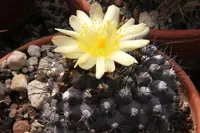
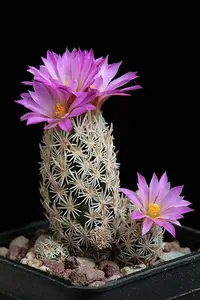
Big Bend foxtail cactus (Escobaria dasyacantha) is a small, clustering cactus native to arid regions of Texas and northern Mexico. It typically forms short, cylindrical stems densely covered with fine, white to tan spines that give it a soft, bristly look. Pink to lavender flowers often appear at the stem tops in spring, creating a striking contrast against the spines. This species is adapted to rocky, well-drained soils and intense sun, which makes it drought tolerant but sensitive to excess moisture or poor drainage. Once its basic needs are understood, it is relatively straightforward to care for Big Bend foxtail cactus in dry, bright conditions.

Main Plant Requirements

Care Difficulty

Moderate Care

Light Preference

Full Sun

Water Requirements

Low Water

Temperature Preference

Cold Hardy

Hardiness Zone

5–9

Soil Texture

Sandy, Rocky, Loamy

Soil pH

Slightly acidic (6.5–7.0), Neutral (7.0)

Soil Drainage

Well-drained

Fertilization

Minimal (feed rarely)

Get Personalized Care Plan

Scan your plant to receive care tips personalized for your specific plant

Available on iOS and Android

How to Care for the Big Bend foxtail cactus

This compact cactus needs strong sun to stay dense and flower well.

  • Provide 6–8 hours of direct sun daily; in hot summers, prioritize morning sun with light afternoon shade to prevent scorching of stems.
  • In very intense sun or reflected heat, use filtered light from midday onward to reduce yellowing or corky patches on the Big Bend foxtail cactus surface.
  • In winter, maximize light exposure by avoiding shade from buildings or shrubs, as low light causes elongated, weak growth and poor flowering.

Watering should be infrequent and based on soil dryness rather than a fixed schedule.

  • Allow the top 5–8 cm of soil to dry completely before watering; in fast-draining, sandy soil this often means long dry intervals between soakings.
  • Increase watering slightly in active growth when days are warm and nights mild, but always let water drain away fully to prevent root rot in Escobaria dasyacantha.
  • In winter or cool spells, reduce or stop watering; shriveling and slight softening signal mild thirst, while blackened tissue or a sour smell indicate overwatering.

This desert species tolerates a wide temperature range but needs protection from prolonged cold and excessive humidity.

  • For active growth, aim for 70–90°F (21–32°C) with dry air and well-drained soil; short hot spells to 100°F (38°C) are tolerated if roots are not waterlogged.
  • Mature, dry plants can survive brief drops to about 10–15°F (-12 to -9°C), but repeated freeze-thaw on wet soil greatly increases rot risk.
  • In winter, keep it cold and dry rather than cool and damp, and avoid sudden swings from warm, wet conditions to hard frost, which damage tissues.

This cactus prefers dry air and does not need extra humidity.

  • Maintain 20–40% humidity; typical indoor air in heated homes is suitable for Big Bend foxtail cactus.
  • Prolonged humidity above 60% increases risk of stem rot and fungal spots at the base.
  • If humidity is high, increase air movement with a small fan and avoid crowding plants to keep tissues dry.

Use a very fast-draining, mineral-rich mix for Escobaria dasyacantha.

  • Choose a gritty, sandy mix with coarse particles so water drains through in seconds, not minutes.
  • Combine 50–70% mineral components (pumice, perlite, coarse sand, small gravel) with 30–50% cactus potting mix.
  • Aim for slightly acidic to neutral pH around 6.0–7.0, avoiding strongly acidic or alkaline substrates.
  • Avoid peat-heavy, compact, or water-retentive mixes that stay wet more than 2–3 days, as roots are prone to rot.

This species is very suitable for container growing.

  • Select a shallow, wide pot that matches its fibrous, near-surface roots and prevents excess unused wet substrate.
  • Use unglazed terracotta if extra evaporation is needed in cooler, low-light settings to reduce moisture retention.
  • Place the pot on pot feet or a stand so drainage holes stay clear and water escapes quickly after each watering.

Escobaria dasyacantha benefits from light, infrequent feeding during active growth but tolerates lean soil well.

  • Use a low-strength balanced cactus fertilizer (around 10-10-10) or diluted all-purpose feed at 1/4 strength.
  • Apply once per month in spring–early summer when new growth appears; skip late summer to avoid soft growth.
  • Do not feed in fall or winter, when the Big Bend foxtail cactus is dormant and soil should stay relatively dry.
  • Avoid rich compost or heavy slow-release products that hold moisture, which can increase rot risk in containers.

Escobaria dasyacantha needs minimal pruning, mainly for health and safety rather than shaping.

  • Best time for any work is late spring to early summer, after risk of hard frost has passed.
  • Remove only dead, rotting, or badly damaged stems with clean, sharp scissors or pruning snips.
  • Cut away any collapsed or diseased tissue at the base to improve air flow and reduce fungal issues.
  • Avoid cosmetic reshaping; excessive removal reduces flowering and exposes healthy tissue to infection.

This cactus stays compact and seldom needs repotting, but container plants sometimes require a move to maintain drainage and root health.

  • Consider repotting every 3–5 years or when roots circle the pot, growth slows, or mix stays wet too long.
  • Plan repotting for late spring, using a dry, gritty cactus mix and a pot only 2–3 cm wider.
  • Lift the plant with tongs or folded newspaper, gently loosen outer roots, and remove old, compacted soil.
  • Keep roots dry for 5–7 days after repotting, then resume light watering to reduce stress and rot risk.

Escobaria dasyacantha is most often propagated from seeds, with offsets used when available.

  • Sow fresh seeds in late spring on a sterile, gritty cactus mix, barely covering them with sand or fine gravel.
  • Maintain 70–80°F, bright indirect light, and evenly lightly moist conditions until germination, then reduce moisture.
  • If offsets form, detach in warm weather, allow cut surfaces to callus for several days, then place on barely moist mix.
  • Provide strong light and very sparing water during early growth to encourage compact, healthy seedlings or offsets.

This species is relatively cold hardy but still benefits from thoughtful winter management, especially in wet or very cold climates.

  • In ground, it can tolerate brief drops near 0°F if soil is very gritty and drains quickly.
  • In wet winter regions, use a gravel mulch and a simple overhead rain shield to keep stems dry.
  • Move containers indoors or to an unheated, bright garage when prolonged freezes below 15°F are forecast.
  • Keep soil almost completely dry in winter to prevent root and stem rot under cold conditions.

Care Tips

Top-dressing gravel

Apply a 0.5–1 cm layer of coarse mineral grit or small gravel around the stem to keep the crown dry, reduce rot risk, and stabilize the shallow root system in its pot.

Cool, dry winter

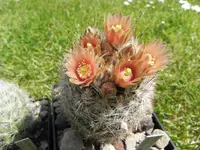
From late fall to early spring, keep the plant almost completely dry and, if possible, in a cooler room (45–55°F) to encourage healthy flowering and prevent weak, elongated growth.

Deep container choice

Select a pot that is slightly deeper than the visible stem, with excellent drainage holes, so the taproot can develop properly and the plant anchors firmly without becoming top-heavy.

Gradual light hardening

When moving the plant outdoors for summer or closer to a bright window, increase light exposure over 7–10 days to prevent sunscald on the stem and damage to the spines.

Flowering cycle check

After flowering, inspect dried flower remains and gently remove only loose, dead tissue with tweezers, leaving any firm tissue intact to avoid damaging the growing point and to support long-term success in growing Big Bend foxtail cactus.

Common Pests and Diseases

Mealybugs

This pest feeds on succulent tissues, often hiding in the woolly areole tufts and between clustered stems. Symptoms include white cottony masses, stunted growth, and sticky honeydew on the plant or pot surface.

Solution

Isolate the plant, then dab visible insects with cotton swabs dipped in 70% isopropyl alcohol and repeat weekly until gone. Improve air movement, reduce excessive fertilization, and for heavier infestations use a dilute insecticidal soap or neem oil spray directed carefully at crevices, keeping the plant dry afterward.

Spider mites

These insects favor hot, very dry conditions and can colonize the fine spines and stem surface. Symptoms include dull, dusty-looking skin, fine webbing in spine clusters, and tiny pale stippling or bronzing of the epidermis.

Solution

Shower the plant gently with lukewarm water to remove mites, then increase humidity slightly around the plant without keeping the soil wet. Follow up with a targeted application of insecticidal soap or neem oil to the stems and spine bases, repeating every 7–10 days until new growth appears clean.

Scale insects

This pest appears as small, hard, brown or tan bumps attached firmly to stems, often around the base of spines or in crowded clusters. Symptoms include slow growth, yellowing patches, and sticky residue on the pot or nearby surfaces.

Solution

Manually remove scales with a soft brush or wooden toothpick, then wipe affected areas with 70% isopropyl alcohol. Monitor closely and, if new insects appear, apply a light insecticidal soap or horticultural oil treatment, ensuring good airflow and avoiding prolonged shade while the plant recovers.

Corky stem lesions

This disease is associated with minor fungal or bacterial infections entering through spine bases or small wounds, especially under cool, damp conditions. Symptoms include localized tan to brown, dry, corky patches that may slowly expand but remain firm rather than mushy.

Solution

Remove any severely affected segments with a sterile knife, cutting back to firm, unblemished tissue and allowing cuts to dry completely before replanting. Improve drainage, avoid overhead watering, and keep the plant in a bright, well-ventilated position so the epidermis dries quickly after any moisture exposure, which supports Escobaria dasyacantha care instructions in low-rainfall conditions.

Basal stem rot

This disease develops when the base of the plant stays wet and cool for extended periods, often after heavy watering in poorly draining soil. Symptoms include soft, dark, water-soaked tissue at the base, loosening of roots, and a sour or musty odor.

Solution

At first signs, unpot the plant, remove all soft or discolored tissue with a sterile blade, and dust healthy cut surfaces with a dry sulfur or copper-based fungicidal powder. Repot in fresh, very gritty, fast-draining cactus mix, water sparingly until strong new roots form, and keep the plant warm and in bright light to discourage further infection.

Interesting Facts

Cold-tolerant desert cactus

This species survives natural winter freezes in parts of Texas and New Mexico, tolerating brief drops well below 32°F when kept dry, which is unusual for many small desert cacti.

Dense hairlike spines

Its thin, white, hairlike radial spines form a tight cloak around the stems that helps reflect sunlight and reduce water loss while also insulating against temperature extremes.

Early spring bloomer

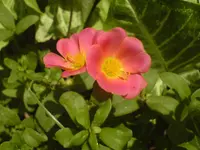
The plant often flowers very early in spring, producing relatively large, pale pink to magenta blooms that can almost hide the small stem when conditions have been favorable.

Botan icon

Did you know?

In the wild, this cactus often grows almost buried in gravelly or rocky soil, with only the spine-covered crown visible at the surface, which helps protect the plant from herbivores and extreme heat.

FAQs about Big Bend foxtail cactus

This species produces small, showy spring flowers that attract native bees and some small flies. Flowers open in good light and warm conditions, offering nectar and pollen. It supports desert pollinators but does not usually draw large butterflies.

Grow Healthy Plants with Botan Care

Keep your plants happy and healthy with plant identification, disease detection, and easy care guidance.

Botan plant care app — identify plants on mobile

Explore More Plants