


Rootneck protection
Top-dress the pot with a 0.5–1 cm layer of coarse mineral grit (pumice, lava rock, or marble chips) around the stem base to keep the neck dry and reduce the risk of rot at the soil line.

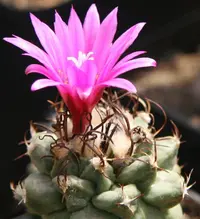
Turbinicarpus alonsoi is a small, slow-growing cactus species with a rounded body and distinct tubercles that give it a sculpted, textured look. It usually stays compact, which makes it suitable for windowsills and small indoor collections.
This species is native to rocky limestone slopes in central Mexico, where it experiences strong light, good airflow, and very sharp drainage. Its slow growth and sensitivity to excess moisture mean it rewards careful, patient growers.
Those who learn how to care for Turbinicarpus alonsoi find it manageable, as long as it receives bright light, a very gritty mineral soil mix, and cautious watering.

Care Difficulty
Hard Care

Light Preference
Full Sun

Water Requirements
Low Water

Temperature Preference
Tropical / Frost Sensitive

Hardiness Zone
10–11

Soil Texture
Sandy, Rocky, Loamy

Soil pH
Slightly acidic (6.5–7.0), Neutral (7.0)

Soil Drainage
Well-drained

Fertilization
Minimal (feed rarely)
Scan your plant to receive care tips personalized for your specific plant
Available on iOS and Android
This small cactus prefers bright, indirect light with some direct sun but protection from harsh extremes.
Watering should imitate an arid climate with brief soakings and long dry periods.
This species prefers warm, dry conditions with a cool but not freezing rest period in winter.
This cactus prefers dry air and does not have special humidity needs.
This species needs a very mineral, fast-draining substrate to prevent root rot.
This small cactus is very suitable for container growing.
This small, slow-growing cactus needs only light feeding to stay healthy in cultivation.
Pruning needs for this cactus are minimal and mainly corrective.
This species prefers a stable pot and only occasional repotting due to its slow growth.
Propagation of Turbinicarpus alonsoi is usually done from seed and can be slow but rewarding.
Cool, dry winter conditions are important for this cactus and support future flowering.

Plant Health Check
Not sure what's wrong with your plant? Check your plant's health inside the app.
This species is naturally restricted to a very small area in San Luis Potosí, Mexico, where it grows almost exclusively in cracks and pockets of limestone rocks, anchoring itself in very shallow, mineral-rich substrates.
It develops a thickened underground taproot that resembles a small turnip, which stores water and nutrients and helps the plant survive long dry periods in its semi-arid habitat.
The stem remains small, flattened, and often partially sunken into the substrate, with muted gray‑green coloration that helps the plant blend into surrounding stones and avoid herbivores.

Turbinicarpus alonsoi is considered critically endangered in the wild due to its tiny natural range and heavy pressure from illegal collecting, and it is included in CITES Appendix I to strictly regulate international trade and protect remaining populations.
This species grows very slowly, often adding only a few millimeters in diameter per year. Seedlings can take several years to look noticeably larger, so patience is essential when growing Turbinicarpus alonsoi from seed or small plants.
Keep your plants happy and healthy with plant identification, disease detection, and easy care guidance.

Greyleaf Storksbill
Pelargonium exstipulatum
Turbinicarpus lophophoroides
Turbinicarpus lophophoroides
spotted aloe
Aloe greatheadii
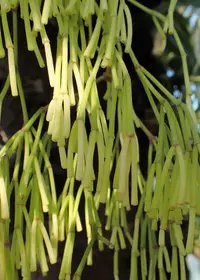
Rhipsalis clavata
Rhipsalis clavata
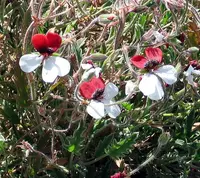
Tricolour Storksbill
Pelargonium tricolor
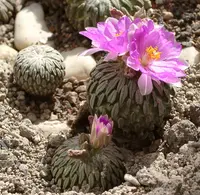
Pelecyphora aselliformis
Pelecyphora aselliformis
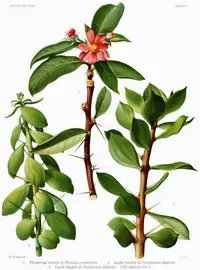
Pereskiopsis rotundifolia
Pereskiopsis rotundifolia
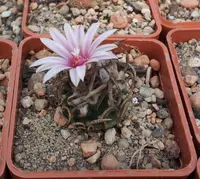
Turbinicarpus schmiedickeanus
Turbinicarpus schmiedickeanus