Turbinicarpus lophophoroides Care

Turbinicarpus lophophoroides

About Turbinicarpus lophophoroides

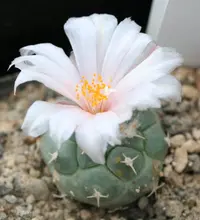
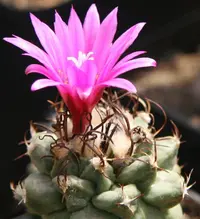
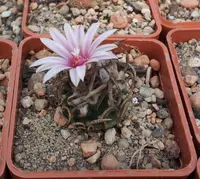
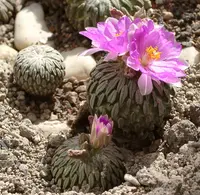
Turbinicarpus lophophoroides is a miniature cactus species with a solitary, rounded stem and small tubercles that give it a textured, geometric look. It usually grows low and compact, making it suitable for small pots and windowsills.

This species is native to arid regions of northeastern Mexico, where it grows in rocky, mineral-rich soils with intense sun and very limited rainfall. Its slow growth, sensitivity to excess moisture, and need for strong light mean it can be challenging for beginners.

Those who learn how to care for Turbinicarpus lophophoroides will find it does best in bright light, very well-draining gritty soil, and careful, infrequent watering.


Main Plant Requirements

Care Difficulty

Hard Care

Light Preference

Full Sun

Water Requirements

Low Water

Temperature Preference

Tropical / Frost Sensitive

Hardiness Zone

10–11

Soil Texture

Sandy, Rocky, Loamy

Soil pH

Slightly acidic (6.5–7.0), Neutral (7.0)

Soil Drainage

Well-drained

Fertilization

Minimal (feed rarely)

Get Personalized Care Plan

Scan your plant to receive care tips personalized for your specific plant

Available on iOS and Android

How to Care for the Turbinicarpus lophophoroides

This small desert cactus needs bright light with some protection from harsh midday sun.

  • Provide 4–6 hours of direct morning sun plus bright, filtered light for the rest of the day, especially in spring and summer.
  • Outdoors, place in an east- or southeast-facing spot; in hotter regions, give light shade from about 11 a.m. to 3 p.m. to prevent yellowing or scorched spots.
  • In winter, ensure the sunniest possible position to prevent Turbinicarpus lophophoroides from stretching, even if light levels drop.

This species prefers deep but infrequent watering and dries quickly between soakings.

  • During active growth in spring and early summer, water only when the top 3–5 cm of soil are completely dry, then soak thoroughly and let excess drain away.
  • Use a very free-draining mineral-rich mix so roots do not sit in water; soft, wrinkling tissue suggests underwatering, while mushy or translucent areas indicate overwatering.
  • Reduce to very light, occasional sips or keep almost dry from late fall through winter to prevent root rot and support a cool, semi-dormant rest period.

This cactus prefers warm, dry conditions and tolerates only brief light cold.

  • Aim for 70–85°F (21–29°C) in the growing season, with good airflow to handle short heat spikes up to about 95°F (35°C).
  • Protect from frost; short exposure down to 40–45°F (4–7°C) is usually tolerated if the soil is completely dry, but freezing quickly damages tissue and roots.
  • For winter rest, cooler conditions around 45–55°F (7–13°C) and very dry soil help maintain compact growth and prepare the plant for flowering.

This species tolerates dry indoor air well and rarely needs special humidity management.

  • Ideal humidity is 30–40%, matching most heated indoor environments.
  • Plants remain healthy even in drier air if light and watering are correct.
  • Only prolonged damp, stagnant air may cause rot, so avoid grouping tightly in poorly ventilated spots.

This cactus needs a very fast-draining, mineral-rich substrate to prevent root rot.

  • Use a gritty mix of 60–80% mineral components such as pumice, coarse sand, and small gravel, with 20–40% cactus potting mix.
  • Aim for a loose, open structure that dries fully within a few days after watering and never stays soggy.
  • Keep pH slightly acidic to neutral (pH 6–7), which suits typical cactus mixes and most tap water.
  • Avoid peat-heavy, compact, or moisture-retentive media and improve aeration by increasing pumice or adding extra coarse particles.

This species is very suitable for container growing due to its small, slow-growing root system.

  • Choose a shallow but wide pot that matches the compact root depth while allowing lateral root spread and stability.
  • Select unglazed terracotta if extra evaporation is needed in cool or low-light conditions, since it helps the mix dry faster.
  • Fill the container so the stem base sits slightly above the rim level, reducing splashback and moisture accumulation around the neck.

This slow-growing cactus needs only light feeding to maintain compact, healthy growth.

  • Use a low-dose cactus fertilizer or very dilute balanced NPK (about 1/4 strength), avoiding high nitrogen formulas.
  • Feed Turbinicarpus lophophoroides once every 4–6 weeks during spring–summer when actively growing.
  • Skip compost and rich organic mixes, which hold too much moisture and increase rot risk.
  • Stop feeding completely in fall–winter to allow proper dormancy.

This species needs almost no pruning, since it keeps a compact, solitary form.

Repotting is infrequent and should focus on root health rather than plant size increase.

  • Check for roots circling the pot drainage holes, a tight root ball, or unexplained slow growth as signs it needs repotting.
  • Plan repotting for late spring, every 3–5 years, using a shallow pot with excellent drainage.
  • Gently loosen the root ball, remove old compacted soil, and trim dead roots with sterile scissors.
  • After repotting, keep the plant dry for 5–7 days, then resume light watering to limit root stress and rot.

Propagation is usually done from seed, as this cactus seldom produces offsets.

  • Sow fresh seeds in late spring in a very well-draining, sterile cactus mix.
  • Press seeds lightly onto the surface and barely cover, since they need light and warmth (70–80°F) to germinate.
  • Maintain even, slight moisture with a humidity dome or clear cover, plus bright, indirect light.
  • Once seedlings develop several spines and a firm body, gradually increase ventilation and reduce watering.

Cold-season care focuses on keeping this cactus cool, bright, and completely dry.

  • Avoid frost; keep temperatures around 45–55°F, never below about 40°F for potted plants.
  • Move containers indoors to a bright, unheated room or cold greenhouse before first hard frost.
  • Stop watering in winter, as dry conditions greatly improve cold tolerance and prevent root rot.
  • Ensure the potting mix and container drain freely so no residual moisture remains around roots.

Care Tips

Shallow potting

Use a broad, shallow clay pot and position the plant high in the substrate so the neck is just above the surface, which keeps the tuberous root from rotting and allows easier inspection for pests or rot when caring for Turbinicarpus lophophoroides.

Top-dressing grit

After potting, add a 0.5–1 cm layer of coarse mineral grit around the stem to keep the base dry, reduce algae and moss, and stabilize the plant against accidental knocks.

Controlled summer rest

In very hot spells above 90°F, slightly reduce watering frequency and increase airflow instead of adding more water, as this mimics its natural semi-dormant phase and lowers the risk of root loss.

Winter light management

During short winter days, move the plant to the brightest, coolest indoor spot available and rotate the pot by 90° every 2–3 weeks to keep the body compact and prevent leaning toward the light source.

Targeted pest checks

Inspect the woolly crown and root collar with a magnifying glass every 4–6 weeks and, if possible, unpot briefly once a year to check roots for mealybugs, treating early with a systemic insecticide if any are found.

Common Pests and Diseases

Root mealybugs

This pest lives hidden around the roots and in the mineral substrate, sucking sap and causing slow yellowing, shrinking, and loss of firmness in the stem. Symptoms include poor growth despite apparently correct light and watering.

Solution

Remove the plant from its pot, gently wash the roots under lukewarm water, and cut off heavily infested roots. Soak the root system in a systemic insecticide solution labeled for root mealybugs, repot in fresh sterile, very gritty cactus mix, and keep slightly on the dry side for 1–2 weeks while monitoring for re‑infestation.

Cactus spider mites

These insects are tiny and often invisible to the naked eye, causing rough, dull, bronzed patches on the epidermis, especially under strong light and dry air. Symptoms include fine webbing at areoles and permanent scarring of the skin.

Solution

Rinse the plant gently with a firm stream of water, avoiding damage to the small stem, then treat the entire plant surface with a miticide or sulfur-based spray approved for cacti, repeating as directed to break the life cycle. Increase humidity slightly around the plant without wetting the body for long periods, and improve air movement to reduce future outbreaks.

Scale insects

This pest appears as small, hard, flat or domed bumps on ribs and around areoles, feeding on sap and weakening the plant over time. Symptoms include sticky honeydew on the pot or bench and occasional sooty mold growth on that residue.

Solution

Manually remove visible scales with a cotton swab dipped in isopropyl alcohol, then apply a systemic insecticide drench suitable for cacti if the infestation is more than a few insects. Isolate the plant, repeat inspection weekly, and discard heavily infested topdressing or grit where crawlers can hide to maintain effective Turbinicarpus lophophoroides care instructions.

Fusarium stem rot

This disease is a fungal infection that often enters through small wounds or from contaminated soil, leading to localized soft, discolored areas that can extend internally. Symptoms include reddish to brown streaking inside the stem and eventual collapse if not contained.

Solution

At the first sign of a soft or discolored patch, cut out all affected tissue with a sterile blade, going well into healthy, firm tissue, and dust the wound with dry sulfur or a fungicidal powder. Allow the plant to dry and callus in a warm, airy place, then replant in fresh sterile, very well-drained mix while keeping the potting medium dry until the wound has fully sealed.

Bacterial soft rot

This disease progresses rapidly, turning parts of the stem into foul‑smelling, watery tissue, often starting from a wound or water sitting in the crown. Symptoms include a translucent, mushy area that spreads quickly and attracts insects.

Solution

Isolate the plant immediately, remove all affected tissue with sterile tools, and discard severely rotted plants that cannot be fully cleaned as the bacteria persist easily. For early, localized infections, cut back to firm tissue, disinfect tools between cuts, let the plant dry thoroughly in bright, dry air, and adjust watering so the body and crown dry quickly after every watering.

Interesting Facts

Miniature limestone specialist

This cactus is naturally restricted to gypsum- and limestone-rich soils in northeastern Mexico, where it grows in thin rock crevices with very little organic matter.

Mimicry through corky ribs

Its dull green body and corky, irregular ribs create a stone-like appearance that helps it blend into surrounding gravel and rock, likely reducing herbivore attention.

Fine hair-like spines

Instead of stout, obvious spines, it develops very slender, hair-like spines that offer some sun protection while keeping the small stem surface relatively exposed for photosynthesis.

Botan icon

Did you know?

Turbinicarpus lophophoroides is considered threatened in the wild due to its extremely limited distribution and ongoing habitat disturbance, so most plants in cultivation now come from seed-grown stock rather than freshly collected specimens.

FAQs about Turbinicarpus lophophoroides

This species is very slow-growing, often adding only a few millimeters in diameter per year. Seedlings may take 4–6 years to look noticeably larger, which is normal when growing Turbinicarpus lophophoroides in cultivation.

Grow Healthy Plants with Botan Care

Keep your plants happy and healthy with plant identification, disease detection, and easy care guidance.

Botan plant care app — identify plants on mobile

Explore More Plants