Turbinicarpus schmiedickeanus Care

Turbinicarpus schmiedickeanus

About Turbinicarpus schmiedickeanus

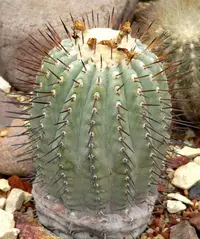
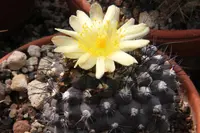
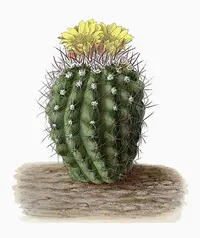
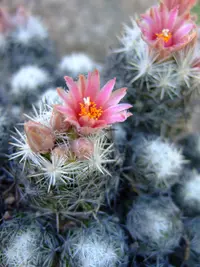
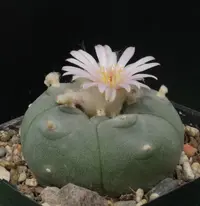
Turbinicarpus schmiedickeanus is a miniature desert cactus from arid regions of northeastern Mexico. It stays very small, forming a single rounded stem with short, often twisted spines and a woolly crown. In season, it produces relatively large, pale flowers that almost cover the tiny body. Growth is naturally slow, which helps it stay compact in pots for many years. This species prefers very bright light, fast-draining mineral soil, and careful watering that avoids constant moisture. These traits make it rewarding but slightly demanding, so learning how to care for Turbinicarpus schmiedickeanus is important for long-term success.

Main Plant Requirements

Care Difficulty

Hard Care

Light Preference

Full Sun

Water Requirements

Low Water

Temperature Preference

Tropical / Frost Sensitive

Hardiness Zone

10–11

Soil Texture

Sandy, Rocky, Loamy

Soil pH

Slightly acidic (6.5–7.0), Neutral (7.0)

Soil Drainage

Well-drained

Fertilization

Minimal (feed rarely)

Get Personalized Care Plan

Scan your plant to receive care tips personalized for your specific plant

Available on iOS and Android

How to Care for the Turbinicarpus schmiedickeanus

This small cactus needs bright light with some protection from intense midday sun.

  • Provide 4–6 hours of direct morning sun plus bright, filtered light for the rest of the day, especially in dry, open sites where Turbinicarpus schmiedickeanus naturally grows.
  • Tolerates light partial shade, but stems may elongate and lose compact form if it receives less than 3–4 hours of direct sun daily.
  • In summer, shield from harsh afternoon sun with 30–40% shade cloth; in winter, move to the brightest possible spot to compensate for weaker light.

This species is highly drought-tolerant and must dry well between waterings.

  • During active growth in spring–summer, water only when the top 2–4 cm of soil are completely dry, then soak and let excess drain away fully.
  • In autumn, reduce watering sharply, and in winter keep almost dry, giving a light drink only if the body shrivels noticeably.
  • Use very fast-draining mineral soil; signs of overwatering include yellowing, softness, and blackened base, while deep wrinkling signals prolonged underwatering.

Stable warmth with a cool, dry rest period supports compact, healthy growth.

  • Ideal growing temperatures are 70–85°F (21–29°C) by day and 55–65°F (13–18°C) at night, with good air movement to prevent overheating.
  • The plant tolerates brief highs up to 95–100°F (35–38°C) if shaded from intense afternoon sun and kept slightly drier in heatwaves.
  • Protect from frost; keep above 40°F (4°C) for safety, though short dry periods down to 35°F (2°C) are usually tolerated if the soil stays completely dry.

This cactus prefers very dry air and usually does not need humidity adjustment indoors.

This cactus needs a very fast-draining, mineral-heavy mix that dries quickly between waterings.

  • Use a gritty, sandy mix made from about 60–80% mineral material such as pumice, lava rock, and coarse sand, with only a small amount of sifted cactus compost.
  • Aim for slightly acidic to neutral pH, around 6.0–7.0, which supports healthy root function without encouraging excess nutrient availability.
  • Increase aeration by avoiding fine peat and using larger, irregular particles that create air pockets around the roots.
  • Avoid dense, moisture-retentive mixes and pots without sharp drainage, which quickly lead to root rot in Turbinicarpus schmiedickeanus.

This species is well suited to container growing due to its compact, slow-growing habit.

  • Choose a shallow but wide pot that matches the small root system and keeps the mineral mix drying evenly after watering.
  • Select unglazed clay if possible, since its porous walls help moisture evaporate faster in a gritty substrate.
  • Secure the pot on a stable surface with top-dressing gravel to reduce wobbling and protect fine roots from disturbance when the plant is handled.

This slow-growing cactus needs very light feeding to avoid forcing soft, weak tissue.

  • Use a low-nitrogen balanced cactus fertilizer (diluted to 25–50% strength) during active growth in spring–summer.
  • Feed Turbinicarpus schmiedickeanus no more than once every 4–6 weeks in the growing season.
  • Skip fertilizer entirely in fall–winter when growth is dormant.
  • Apply only to already-moist soil to reduce root burn risk.

This species needs almost no structural pruning, only occasional cleanup to maintain health.

This cactus prefers to stay slightly root-bound and resents frequent disturbance.

  • Repot only when roots circle the pot drainage holes or growth noticeably slows despite proper care.
  • Plan repotting for late spring, every 4–6 years, using a small pot with very free-draining mineral cactus mix.
  • Gently loosen the root ball, remove dead roots, and keep damage minimal to Turbinicarpus schmiedickeanus.
  • After repotting, keep the plant dry and shaded for 7–10 days before slowly resuming normal watering.

Propagation is usually done from seed and tends to be slow and exacting.

  • Sow fresh seeds in late spring in a sterile, very gritty cactus mix with a fine top dressing.
  • Maintain 70–80°F, bright but indirect light, and consistently slight moisture until germination.
  • Provide good air circulation and avoid overwatering; seedlings are prone to damping-off, a fungal collapse.
  • Grow Turbinicarpus schmiedickeanus seedlings on in small pots for several years before disturbing roots.

This cactus needs a cool, very dry winter rest to stay compact and healthy.

  • Maintain winter temperatures around 40–50°F, avoiding prolonged hard freezes or cold, wet soil.
  • Keep completely dry from late fall to early spring to prevent root rot in cold conditions.
  • In regions with frosts, overwinter container plants indoors or in a cold greenhouse with strong light.

Care Tips

Controlled pot size

Use a very small, shallow clay pot and only up-pot by 1–2 cm when roots fill the container, as tight root space helps keep growth compact and reduces the risk of the plant splitting after heavy watering.

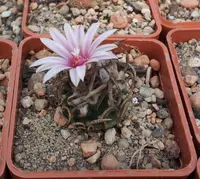
Mineral top dressing

Add a 0.5–1 cm layer of coarse grit or pumice on the soil surface to keep the neck of the plant dry, reduce algae and moss, and stabilize the plant in its pot.

Summer heat management

In very hot spells above 95°F, increase airflow and provide light shading from the harshest afternoon sun to prevent tissue stress and sunscald on the small body of the cactus.

Winter rest handling

During the cool, dry rest period, place the pot in a bright, frost-free position and avoid handling or rotating the plant, as the roots are more brittle and can be damaged easily when dry.

Flowering support routine

Before the expected spring flowering period, inspect closely for mealybugs hiding between tubercles and around flower buds, and remove them promptly with a cotton swab dipped in isopropyl alcohol to avoid bud deformation and loss when growing Turbinicarpus schmiedickeanus.

Common Pests and Diseases

Mealybugs

This pest often hides in woolly white clusters at the cactus base, between tubercles, and around areoles, feeding on sap and weakening growth.

Solution

Isolate the plant, then remove visible insects with a cotton swab dipped in isopropyl alcohol and repeat weekly until gone; for heavier infestations, use a systemic insecticide labeled for cacti and ensure the plant is in a bright, well-ventilated spot with slightly drier soil to discourage reinfestation.

Red spider mites

These insects prefer very dry, hot conditions and can cause a dull, brownish or roughened epidermis, especially on the upper parts of the stem.

Solution

Increase humidity around the plant slightly without wetting the body continually, rinse the cactus gently with lukewarm water to remove mites, and if damage persists apply a targeted miticide, rotating products if needed to prevent resistance while keeping the plant in strong light with good air movement.

Scale insects

This pest appears as small, hard, brownish or gray bumps on ribs and areoles that stick firmly to the plant and suck sap over time.

Solution

Manually scrape or lift off scales with a wooden toothpick or cotton swab moistened with isopropyl alcohol, repeat inspections every few days, and in severe cases use a systemic insecticide while avoiding oil-heavy sprays that can suffocate the epidermis of this sun-adapted cactus.

Fusarium stem rot

This disease causes localized soft, sunken, or discolored areas on the stem that may spread internally from a wound or stressed tissue, often under warm, humid conditions.

Solution

At the first sign of localized rot, cut out all affected tissue with a sterile knife, dust wounds with a dry sulfur- or copper-based fungicide, then keep the plant completely dry and in moving air until a callus forms; dispose of severely affected plants to protect nearby specimens and avoid watering into the crown.

Corky sunscald lesions

Symptoms include pale, bleached, or yellowish patches that later become corky and brown on the side most exposed to intense sun, particularly after a sudden move to higher light.

Solution

Move the plant to bright but filtered light and then very gradually increase direct sun over several weeks, protect it with shade cloth during heat waves, and avoid sudden exposure changes; new growth will be healthier even though existing corky areas are permanent, which is an important consideration in Turbinicarpus schmiedickeanus care instructions.

Interesting Facts

Miniature limestone specialist

This cactus is naturally restricted to limestone hills in San Luis Potosí, Mexico, where it grows in shallow crevices filled with mineral-rich grit and very little organic matter.

Camouflaged body shape

The plant forms a small, often solitary globose stem that sits partially sunken into the substrate, helping it blend with surrounding stones and reducing surface exposure to intense sun and desiccating winds.

Highly variable spination

Different local forms show striking variation in spine length, density, and color, from very short and appressed to more protruding spines, which has led to the description of several subspecies and varieties within this complex.

Botan icon

Did you know?

This species has been heavily impacted by illegal collection for the succulent trade, leading to fragmented and vulnerable wild populations, and is listed under CITES Appendix I to restrict international commercial trade in wild-collected plants.

FAQs about Turbinicarpus schmiedickeanus

Growth is very slow. Seedlings often remain only a few millimeters wide for the first years. In cultivation, a plant may take 5–8 years to reach about 2–3 cm in diameter under good conditions.

Grow Healthy Plants with Botan Care

Keep your plants happy and healthy with plant identification, disease detection, and easy care guidance.


Botan plant care app — identify plants on mobile

Explore More Plants