Peyote Care (Lophophora williamsii)

Also known as: Dumpling Cactus
Peyote

About Peyote

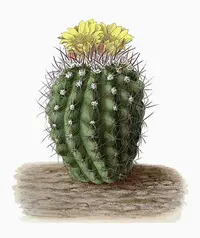
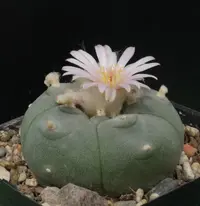
Peyote, Lophophora williamsii, is a small, slow-growing cactus native to arid regions of northern Mexico and parts of southern Texas. It grows close to the ground as a spineless, rounded plant with ribbed, bluish-green pads and often produces small pink or white flowers at the top.

This species is adapted to strong sun, well-drained mineral soils, and long dry periods. It is sensitive to overwatering and root rot, which can make it challenging for beginners.

Those who want to learn how to care for Peyote should focus on providing bright light, fast-draining gritty soil, and careful, infrequent watering that mimics desert conditions.

Main Plant Requirements

Care Difficulty

Moderate Care

Light Preference

Full Sun

Water Requirements

Low Water

Temperature Preference

Warm Climate

Hardiness Zone

9–11

Soil Texture

Sandy, Rocky, Loamy

Soil pH

Slightly acidic (6.5–7.0), Neutral (7.0)

Soil Drainage

Well-drained

Fertilization

Minimal (feed rarely)

Get Personalized Care Plan

Scan your plant to receive care tips personalized for your specific plant

Available on iOS and Android

How to Care for the Peyote

This cactus prefers strong light but benefits from some protection from intense midday sun.

  • Provide 4–6 hours of direct morning sun plus bright, filtered light for the rest of the day, especially in hot, arid regions where Peyote naturally occurs.
  • Allow light, shifting shade in the afternoon to prevent scorching; yellowing, bleached skin indicates too much sun, while elongated, pale growth signals insufficient light.
  • In summer, ensure excellent air circulation in full-sun sites; in winter, maximize exposure by avoiding deep shade from buildings, trees, or larger plants.

This species evolved for very dry conditions and is highly sensitive to excess moisture.

  • Water only when the soil is completely dry at least 5–8 cm deep; wrinkling or slight softening of the ribs is a better trigger than a fixed schedule.
  • Use very fast-draining mineral-rich soil so water runs through in seconds; never let water pool around the base or in planting depressions.
  • During cool winter dormancy, keep Lophophora williamsii almost dry, giving only a tiny splash if it shrivels severely; soft, yellowing tissue or black spots indicate overwatering.

This cactus prefers warm, dry conditions with a pronounced cool, dry rest period.

  • Aim for active growth temperatures around 75–90°F (24–32°C), with very low humidity to reduce fungal risk and maintain firm, compact tissue.
  • Protect from cold below 45°F (7°C); brief drops to 40°F (4°C) may be tolerated if the plant is completely dry, but frost quickly damages the soft body.
  • In winter, keep it cool and dry at 45–60°F (7–16°C) to mimic natural dormancy; in summer heat above 95°F (35°C), provide airflow and light afternoon shade to prevent stress.

This cactus prefers very dry air and generally does not need humidity adjustment indoors.

  • Target 20–40% relative humidity, similar to arid indoor conditions or desert-like climates.
  • It tolerates brief higher humidity if the soil is dry, but prolonged damp air with cool temperatures increases rot risk.
  • Signs of excess humidity include soft, yellowing tissue at the base and slow drying soil; increase airflow and warmth to correct.

Use a very fast-draining, mineral-heavy mix to prevent root and stem rot.

  • Choose a sandy, gritty texture with minimal organic matter, such as 70–80% mineral content and 20–30% low-peat cactus substrate.
  • Aim for a soil pH around 6.5–7.5, avoiding strongly acidic mixes that can damage fine roots of Lophophora williamsii.
  • Combine pumice, coarse sand, and small gravel to improve drainage and aeration, keeping particles mostly 2–5 mm in size.
  • Avoid compact, peat-heavy, or water-retentive mixes, which hold moisture around the taproot and greatly increase rot risk.

This species is well suited to container growing when drainage and root space are carefully managed.

  • Select a pot just slightly wider than the plant body to limit excess wet substrate while still allowing slow radial expansion.
  • Use a container with large, unobstructed drainage holes so water exits within seconds of watering and does not pool at the base.
  • Unglazed clay pots are advantageous because they evaporate moisture through the walls, reducing the risk of a persistently damp root zone.

This slow-growing cactus needs only light, infrequent feeding to stay healthy in cultivation.

  • Use a low-nitrogen, balanced cactus fertilizer (diluted to 25–50% strength) rather than rich compost for Peyote.
  • Feed once every 4–6 weeks during the warm growing season if growth is active.
  • Do not apply fertilizer to dry soil; water lightly first, then add the diluted solution.
  • Stop feeding entirely in winter dormancy and resume only when new growth clearly restarts.

Pruning needs for Lophophora williamsii are minimal and mostly hygienic rather than shaping.

  • Perform any pruning in late spring or early summer when growth is active and healing is faster.
  • Remove only clearly dead, diseased, or rotting tissue using a sterile, sharp knife or scalpel.
  • Avoid cosmetic trimming of healthy tissue, as this can scar the stem and slow growth.
  • If removing rot, cut back to firm, healthy flesh, let the wound dry and callus before watering again.

This cactus prefers to stay slightly root-bound and only needs infrequent repotting in well-drained media.

  • Repot every 3–5 years or when roots circle the pot, emerge from drainage holes, or growth slows without another cause.
  • Choose late spring as the safest time, using a shallow container and very gritty cactus mix with excellent drainage.
  • Gently loosen the root ball, remove old compacted soil, and trim dead roots with sterile scissors if needed.
  • After repotting, keep the plant dry for 7–10 days to let root wounds callus, then reintroduce water gradually.

Propagation of this species is usually done slowly and carefully, mainly from seed under controlled conditions.

  • Sow fresh seeds in late spring or early summer on the surface of a sterile, very well-draining cactus mix.
  • Maintain gentle bottom warmth around 75–85°F, bright but indirect light, and high humidity using a covered tray.
  • Keep the medium just barely moist, never wet, to limit damping-off, a fungal issue that kills young seedlings.
  • Offsets, if present, can be detached with a sterile knife, allowed to callus, then rooted in dry, gritty mix.

Cold-season management is important, as this cactus is not reliably hardy in prolonged freezing conditions.

  • Keep temperatures around 45–55°F in winter, avoiding hard frost, ice, or freezing winds.
  • Move container plants indoors or into an unheated but frost-free greenhouse before night lows drop near freezing.
  • Provide maximum light with a cool, very dry rest; water only enough to prevent extreme shriveling.
  • Ensure the potting mix stays almost completely dry to prevent root rot in cold conditions.

Care Tips

Deep pot choice

Use a narrow but deep pot with several side and bottom drainage holes so the taproot can extend straight down without curling against the container walls.

Root inspection repot

Every 3–4 years, unpot the plant in late spring, brush off old soil, inspect the taproot for rot or mealybugs, and replant slightly higher to keep the stem above any splash zone.

Controlled offset removal

If pups crowd the main body, slice them off cleanly with a sterile, thin blade, let the wounds callus 7–10 days in dry shade, then replant offsets in very gritty mix for propagation.

Winter light adjustment

In winter, shift the plant to the brightest, coolest window or under a dedicated cactus grow light and reduce handling so the body stays compact and does not lean toward weak light.

Targeted pest monitoring

Once a month, examine the woolly areoles, roots, and soil surface with a hand lens for mealybugs or scale, and isolate and treat the plant promptly if any pests are detected to keep long-term caring for Peyote safe and controlled.

Common Pests and Diseases

Red spider mites

This pest often appears in hot, dry conditions and feeds on cactus skin, causing a faded, rough or brownish surface on the stem. Symptoms include very fine webbing in areoles and a dull, sandblasted look to the epidermis.

Solution

Increase air movement, then rinse the plant carefully with a firm stream of water and a soft brush to remove mites without damaging the tissue. Follow with repeated applications of insecticidal soap or a light horticultural oil, always keeping Peyote dry at the root zone and slightly reducing temperature and light intensity during recovery.

Mealybugs

These insects hide around areoles and roots, forming white cottony masses and sucking plant sap, which weakens the plant and may cause yellowing or deformity of new growth. In Lophophora, they often settle deep in the wool, making them easy to miss at first glance.

Solution

Isolate the plant, then physically remove visible mealybugs with a cotton swab dipped in isopropyl alcohol, repeating weekly until no new insects appear. For heavier infestations, use a systemic insecticide labeled for cacti, allow the soil to dry well between waterings, and inspect roots for root mealybugs when repotting.

Corky scab

This disease causes hardened, brown, cork-like patches on the skin, often starting on the underside or areas that stayed wet or were injured. Symptoms include rough, dry lesions that do not wipe off and may slowly expand but usually remain superficial.

Solution

Improve cultural conditions by avoiding overhead watering, keeping the epidermis dry, and providing bright, indirect light with good airflow. Remove any loose dead tissue with a sterile tool only if it lifts easily, then allow the area to dry; prevent new lesions by spacing plants, ventilating well, and correcting any chronic overwatering issues as part of Lophophora williamsii plant care.

Fusarium stem rot

This disease is caused by soilborne fungi that enter through wounds or wet scars, leading to soft, brown to black internal tissue and a sudden collapse of one or more ribs. Symptoms include localized shrinking, discoloration at the base or a side, and a sour or musty smell when cut open.

Solution

At early stages, cut out all discolored tissue with a sterile knife until only firm, healthy tissue remains, then allow the wound to callus in a dry, warm, shaded place for several days before replanting in fresh, sterile cactus mix. Discard severely affected plants, disinfect pots and tools, and avoid watering onto wounds or fresh scars to prevent reinfection.

Scale insects

These insects appear as small, hard, brown or gray bumps stuck to the cactus surface, especially along ribs and near areoles, and they feed on sap, causing slow decline and yellowish or uneven growth. This pest adheres firmly to the skin and does not move when touched, unlike mealybugs.

Solution

Gently scrape or lift individual scales off the plant with a cotton swab or soft brush dipped in isopropyl alcohol, taking care not to injure the skin. After mechanical removal, apply insecticidal soap or horticultural oil to all surfaces, repeat treatments every 7–10 days for several cycles, and keep the plant in a bright, airy, low-humidity environment during recovery.

Interesting Facts

Extremely slow growth

This cactus can take 10–30 years in habitat to reach only 2–5 cm across, forming a small, flattened dome rather than a tall column like many other cacti.

Button-like stem structure

The plant forms a spineless, blue‑green to gray‑green stem divided into rounded ribs with low tubercles, giving it a distinct button-like appearance that sits partly sunken into the soil.

Specialized desert root system

It develops a thick taproot that stores water and nutrients, allowing the small above-ground body to survive long droughts in the Chihuahuan Desert of northern Mexico and southern Texas.

Botan icon

Did you know?

Wild populations of this species have declined significantly in parts of its native range and it is now legally protected in both the United States and Mexico, with international trade regulated under CITES Appendix II.

FAQs about Peyote

Growth is very slow. Seedlings may stay under 1 cm for several years, and mature size often takes 8–15 years or more. Cooler temperatures, low light, and cramped roots slow it further, while stable warmth and strong light speed growth slightly.

Grow Healthy Plants with Botan Care

Keep your plants happy and healthy with plant identification, disease detection, and easy care guidance.

Botan plant care app — identify plants on mobile

Explore More Plants