Turk's cap cacti Care (Melocactus ernestii)

Turk's cap cacti

About Turk's cap cacti

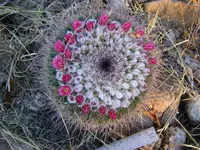
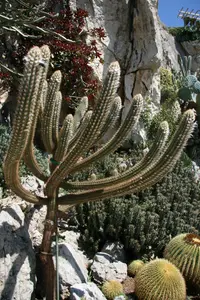
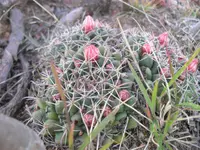
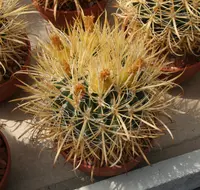
Turk's cap cacti are small, slow-growing desert cacti known for their rounded green stems topped with a woolly, often reddish cap called a cephalium. Melocactus ernestii forms a compact, solitary sphere with distinct ribs and spines, then develops this cap as it matures.

This species is native to rocky, sun-exposed habitats in eastern Brazil, where it grows in well-drained, often poor soils. It can be challenging for beginners because it dislikes cold, excess water, and root disturbance, so how to care for Turk's cap cacti must be learned with some attention.

Given bright light, a gritty mineral substrate, and careful watering, it can adapt well to container culture and remain an attractive, sculptural plant for many years.

Main Plant Requirements

Care Difficulty

Hard Care

Light Preference

Full Sun

Water Requirements

Low Water

Temperature Preference

Tropical / Frost Sensitive

Hardiness Zone

11–12

Soil Texture

Sandy, Rocky, Loamy

Soil pH

Slightly acidic (6.5–7.0), Neutral (7.0)

Soil Drainage

Well-drained

Fertilization

Minimal (feed rarely)

Get Personalized Care Plan

Scan your plant to receive care tips personalized for your specific plant

Available on iOS and Android

How to Care for the Turk's cap cacti

Melocactus ernestii needs strong, consistent light to form a compact body and healthy cephalium.

  • Provide 6–8 hours of direct sun daily, ideally with morning sun and light afternoon shade in hot, dry climates.
  • In very intense afternoon sun, use bright filtered light or 30–40% shade cloth to prevent scorching and bleaching of Turk's cap cacti.
  • Outdoors, give maximum sun in late fall to early spring; in summer, increase shade slightly if stems turn yellowish or feel overly hot to the touch.

Watering for Melocactus ernestii must be cautious, as the roots are sensitive to excess moisture.

  • Allow the top 3–5 cm of soil to dry fully before watering, then soak thoroughly so excess drains away from the root zone.
  • In spring–summer growth, expect watering every 7–21 days depending on heat, wind, and soil mix; always check soil rather than the calendar.
  • Reduce watering sharply in cooler months, watching for slight rib shrinkage as a cue to water, and avoid constantly damp soil that causes root rot or sour odors.

Stable warmth is essential for strong growth and cephalium development in this species.

  • Aim for active growth temperatures of 75–90°F (24–32°C), with good air movement to prevent heat buildup around the plant body.
  • Protect from cold below 50°F (10°C); short dips to 45°F (7°C) are usually survivable if soil is dry, but prolonged chill weakens roots.
  • Never expose to frost, and shield from extreme heat above 100°F (38°C) by adding light shade and ensuring the soil does not stay hot or wet.

This cactus thrives in dry indoor air and rarely needs extra humidity attention.

  • Aim for 30–40% humidity, similar to most heated indoor rooms, avoiding persistently damp environments.
  • Turk's cap cacti tolerate brief dips below 30% but may wrinkle slightly if combined with underwatering.
  • Signs of humidity stress include soft, pale, or moldy tissue, which indicate air is too moist rather than too dry.

Melocactus ernestii needs a very fast-draining, mineral-heavy substrate that prevents waterlogging around the roots.

  • Use a gritty mix such as 50–70% inorganic materials (pumice, coarse sand, lava rock, or perlite) with 30–50% cactus potting mix.
  • Choose a loose, crumbly texture that does not compact, as compacted soil reduces aeration and promotes root rot.
  • Aim for slightly acidic to neutral pH, around 6.0–7.0, avoiding strongly acidic or alkaline mixes that limit nutrient uptake.
  • Avoid peat-heavy, moisture-retentive, or clayey substrates; instead, increase drainage and aeration by adding extra pumice or coarse sand.

This species is well suited to container growing when the pot is chosen to control moisture and support its top-heavy form.

  • Select a pot only slightly wider than the root ball so the mix dries evenly instead of holding moisture in unused areas.
  • Use a heavy, low-profile container that resists tipping as the cephalium forms and the plant becomes more top-heavy.
  • Prefer unglazed terracotta when possible, since its porous walls speed evaporation and reduce the risk of chronic wetness after watering.

Melocactus ernestii needs light, controlled feeding to support healthy growth without pushing soft, weak tissue.

  • Use a balanced cactus fertilizer (low to moderate NPK) diluted to 25–50% strength for Turk's cap cacti in containers.
  • Feed every 4–6 weeks during the warm, active growing season when light is strong and watering is consistent.
  • Stop fertilizing in winter or cool dormant periods to prevent root damage and stretched growth.
  • Avoid compost-heavy or slow-release products that hold excess moisture or deliver constant high nutrients.

Melocactus ernestii requires almost no pruning, since its natural form and cephalium development are best left undisturbed.

This cactus prefers tight pots and infrequent disturbance, so repot only when clearly necessary.

  • Check for roots circling the drainage holes, very slow growth, or soil that no longer wets evenly as signs repotting is due.
  • Plan repotting in late spring to early summer, about every 4–6 years, when temperatures are consistently warm.
  • Use a slightly larger, shallow pot with a fast-draining cactus mix, and keep the root ball as intact as possible.
  • After repotting, keep the plant dry for 5–7 days, then resume light watering to limit root stress and rot risk.

Propagation of Melocactus ernestii is specialized and mostly done from seed rather than offsets.

  • Sow fresh seeds in late spring under warm conditions of 75–85°F with bright, indirect light.
  • Use a sterile, very gritty seed mix, lightly cover seeds, and maintain gentle, even moisture without waterlogging.
  • Provide high humidity with a vented cover and good air movement to limit fungal problems during germination.
  • Transplant seedlings only when well rooted and handle carefully to avoid damaging the young taproot.

This species is frost sensitive and needs warm, dry winter conditions, especially in cool climates.

  • Keep air temperatures above 50°F, ideally 55–65°F, and avoid cold drafts or unheated windowsills.
  • Move container plants indoors or into a heated greenhouse before nights drop near 50°F.
  • Reduce watering sharply in winter, allowing the mix to dry almost completely between light waterings.
  • Ensure strong light indoors, such as a bright south-facing window or supplemental grow lights, to prevent etiolation.

Care Tips

Controlled pot sizing

Use a pot that is only 2–3 cm wider than the stem to reduce excess substrate moisture and encourage a compact, firm body that supports the developing cephalium.

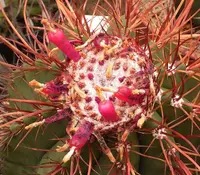
Cephalium protection

Once the cephalium forms, avoid touching or brushing it and keep it away from overhead watering so the dense wool and bristles stay dry and free of trapped debris that can harbor fungi.

Winter light adjustment

In winter, move the plant to the brightest, coolest frost-free window possible to compensate for low light and help maintain the tight, rounded form typical of healthy specimens.

Targeted pest checks

Inspect the groove where the cephalium meets the older stem with a flashlight every few weeks, since mealybugs and scale often hide in this junction and are easier to control when detected early.

Stable display surface

Place the pot on a stable, vibration-free surface away from foot traffic and doors, as repeated bumps can gradually loosen roots and tilt the column, especially in tall, top-heavy plants.

Common Pests and Diseases

Mealybugs

This pest often settles in woolly clusters around areoles and between ribs, sucking sap and weakening the plant over time. Symptoms include slow growth, slight yellowing, and sticky honeydew that can encourage sooty mold.

Solution

Isolate the cactus, then remove visible mealybugs with a cotton swab dipped in 70% isopropyl alcohol and gently clean the affected areas. Improve light and airflow, and repeat spot treatments weekly; for heavier infestations, use a labeled systemic insecticide for cacti according to package directions.

Red spider mites

These insects are tiny sap-feeding mites that thrive on hot, dry plants and can form fine webbing between ribs and around the cephalium. Symptoms include a dull, dusty appearance, small pale spots on the epidermis, and general loss of color intensity.

Solution

Increase humidity slightly around the plant without wetting the cephalium, and rinse the body of the cactus under a gentle stream of water to dislodge mites. For persistent infestations, apply a targeted miticide or insecticidal soap labeled for use on cacti, ensuring good coverage of the ribs while keeping the cephalium as dry as possible.

Scale insects

This pest appears as hard, dome-shaped bumps on ribs and near areoles, where it feeds on sap and can cause localized yellowing or scarring. These insects are often well camouflaged against the stem and may be noticed only when honeydew or sooty mold appears.

Solution

Manually remove scales with a soft brush or cotton swab dipped in alcohol, working carefully to avoid damaging the skin. After physical removal, monitor closely and, if new scales appear, use a systemic insecticide suitable for cacti to control hidden life stages.

Corky stem lesions

This disease presents as sunken, brown, corky patches on the stem, sometimes starting near old mechanical damage or minor sunburn. Symptoms include localized hardening and discoloration that may slowly spread if conditions remain stressful.

Solution

Improve growing conditions with stable warmth, strong but filtered light, and careful watering that allows the substrate to dry well between waterings. Remove any badly damaged tissue only if soft or spreading, use sterile tools, and maintain good air circulation to prevent secondary infections as part of Melocactus ernestii plant care.

Cephalium fungal rot

This disease affects the cephalium, causing dark, soft, or foul-smelling areas in the woolly crown, often after prolonged moisture or poor airflow. Symptoms include collapsing bristles, discoloration, and eventual spread into the upper stem if untreated.

Solution

Immediately reduce watering, keep the plant in a warm, very well-ventilated spot, and avoid any overhead moisture on the cephalium. Carefully cut away clearly rotted tissue with sterile tools if accessible, dust the area with a dry sulfur or copper-based fungicide, and maintain a consistently dry crown to prevent recurrence.

Interesting Facts

Coastal rocky specialist

This species naturally occurs on exposed rocky slopes and outcrops in eastern Brazil, often near the coast, where it endures intense sun, high temperatures, and drying winds that many other cacti cannot tolerate long term.

Distinctive low cephalium

Compared with some other Melocactus species, it develops a relatively low, broad cephalium, the bristly flowering structure on top of the stem, which is often banded and sharply separated in color and texture from the green body below.

Limited geographic range

It is considered a regional endemic of Brazil and is known from a relatively restricted stretch of habitat, making careful, sustainable cultivation important when people choose to grow Melocactus ernestii.

FAQs about Turk's cap cacti

Flowering starts only once the cephalium, the woolly cap on top, is mature. Lack of blooms often relates to plant immaturity, stress from repotting, insufficient rest in cooler, drier months, or inadequate overall vigor.

Grow Healthy Plants with Botan Care

Keep your plants happy and healthy with plant identification, disease detection, and easy care guidance.

Botan plant care app — identify plants on mobile

Explore More Plants