Top-dressing gravel
Apply a 0.5–1 cm layer of inert gravel or pumice on the soil surface to keep the stem base dry, reduce rot risk, and prevent algae or moss from forming around the crown.

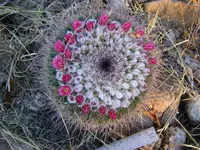
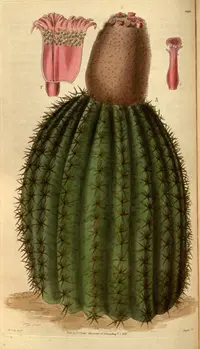
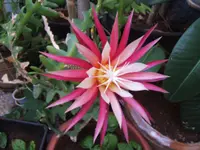
Mammillaria petterssonii is a small, clustering cactus that forms tight groups of rounded stems covered with neat rows of tubercles and fine, white spines. In mature plants, rings of pink to magenta flowers often appear near the stem tips, giving a decorative crown effect.
This species is native to arid regions of Mexico, where it grows in rocky, well-drained habitats with strong sunlight and infrequent rain. Its slow growth, drought tolerance, and compact size make it suitable for containers and windowsills, provided excess moisture is avoided. With the right light and a gritty, fast-draining soil mix, how to care for Mammillaria petterssonii becomes manageable even for relatively new cactus growers.

Care Difficulty
Easy Care

Light Preference
Full Sun

Water Requirements
Low Water

Temperature Preference
Warm Climate

Hardiness Zone
9–11

Soil Texture
Sandy, Loamy, Rocky

Soil pH
Acidic (5.5–6.5), Slightly acidic (6.5–7.0)

Soil Drainage
Well-drained

Fertilization
Minimal (feed rarely)
Scan your plant to receive care tips personalized for your specific plant
Available on iOS and Android
This small desert cactus needs bright light to stay compact and flower well.
This cactus is highly drought-tolerant and prefers infrequent, thorough watering.
This species prefers warm, dry conditions with a cool but not freezing winter rest.
This cactus prefers dry air and handles typical indoor humidity easily.
Use a very fast-draining, mineral-rich cactus mix to protect the roots from rot.
This small, clumping cactus is very suitable for container growing.
This desert cactus needs only light feeding to stay healthy in pots.
Pruning needs are minimal and mainly focus on hygiene for this small clustering cactus.
This cactus prefers slightly tight pots and only needs occasional repotting in well-drained mix.
Mammillaria petterssonii is commonly multiplied from offsets and seeds under warm, bright conditions.
This cactus prefers cool, very dry winter rest and is only mildly frost tolerant.

Plant Health Check
Not sure what's wrong with your plant? Check your plant's health inside the app.
This species often produces its pink to magenta flowers in a distinct ring or several rings around the upper part of the stem, a characteristic that makes it easy to distinguish from many related Mammillaria species.
It forms tight clusters of short, white to pale radial spines that create a fine, almost woolly texture on the stem surface, contrasting with fewer, slightly stouter central spines.
Over time, it tends to form compact mounds of many small stems rather than a single column, which is a typical growth pattern in this species within its native Mexican habitats.
This cactus grows slowly, usually adding only a few millimeters in height and girth per year. Growth is most noticeable in spring–summer, then nearly stops in winter. Limited root space and low light can slow it even more.
Keep your plants happy and healthy with plant identification, disease detection, and easy care guidance.