Melocactus bahiensis Care

Melocactus bahiensis

About Melocactus bahiensis

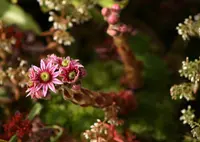
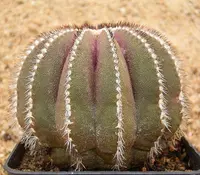
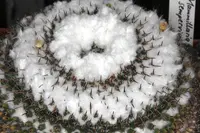
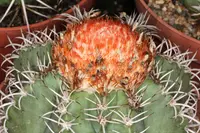
Melocactus bahiensis is a small globular cactus from dry regions of eastern Brazil, known for its distinctive woolly, bristly cap called a cephalium. The body stays relatively low, while the cephalium elongates with age and produces small pink to red flowers followed by bright fruits.

This species grows among rocks and gritty soils in full sun, adapted to intense light and long dry periods. It is slow-growing and more delicate than many common cacti, especially sensitive to overwatering and cold.

Because of these sensitivities, care for Melocactus bahiensis is best suited to growers who can provide stable warmth, very sharp drainage, and careful, moderate watering.

Main Plant Requirements

Care Difficulty

Hard Care

Light Preference

Full Sun

Water Requirements

Low Water

Temperature Preference

Tropical / Frost Sensitive

Hardiness Zone

11–12

Soil Texture

Sandy, Rocky, Loamy

Soil pH

Slightly acidic (6.5–7.0), Neutral (7.0)

Soil Drainage

Well-drained

Fertilization

Minimal (feed rarely)

Get Personalized Care Plan

Scan your plant to receive care tips personalized for your specific plant

Available on iOS and Android

How to Care for the Melocactus bahiensis

This cactus prefers strong light but benefits from some protection from the harshest sun.

  • Provide 6–8 hours of direct sun daily, ideally with morning to early afternoon exposure and light shade after 2–3 p.m.
  • In very hot climates, use 30–40% shade cloth or dappled tree shade to prevent yellowing, corky patches, or sunscald on the stem.
  • If new growth is pale, thin, or leaning, increase light gradually over 1–2 weeks to avoid shock for Melocactus bahiensis.

Watering should be infrequent and guided by soil dryness, not by a fixed schedule.

  • Allow the top 4–6 cm of soil to dry fully before watering, then soak thoroughly so excess drains away from the root zone.
  • During warm active growth, this may mean watering every 10–21 days; in cool or cloudy periods, extend intervals or pause watering almost completely.
  • Overwatering signs include soft, yellowing tissue and a sour smell, while deep wrinkling and loose, lightweight soil indicate underwatering in Melocactus bahiensis.

Stable warmth is important for healthy growth and flowering.

  • Aim for 75–90°F (24–32°C) in the growing season; growth slows noticeably below 70°F (21°C).
  • Protect from cold; do not expose to below 55°F (13°C), and avoid any frost, which can quickly damage the stem and roots.
  • Short heat waves up to 100–104°F (38–40°C) are tolerated if the plant has some shade and good airflow, but reduce watering during extreme heat.

This cactus prefers dry air and typical indoor humidity rather than high humidity.

  • Target 30–40% humidity and avoid prolonged conditions above 60% to reduce rot risk.
  • Dry household air is usually acceptable if watering is infrequent and the substrate dries fully.
  • Humidity stress appears as soft, pale, or blackening stem tissue; improve air flow and reduce moisture if seen.

Melocactus bahiensis needs a very fast-draining, mineral-rich substrate to prevent root and stem rot.

  • Use a gritty mix such as 40% coarse sand, 30% pumice or perlite, and 30% cactus potting mix.
  • Ensure water drains through in seconds and the surface dries within 1–2 days after watering.
  • Aim for slightly acidic to neutral pH around 6.0–7.0, which supports nutrient availability without stressing roots.
  • Avoid fine peat-heavy or compacted mixes that stay wet, and add extra mineral grit to improve aeration and drainage.

This species is well suited to container growing when drainage and plant stability are carefully managed.

  • Choose a pot only 2–4 cm wider than the plant’s body so the root zone dries evenly after watering.
  • Select unglazed terracotta if possible, as it allows faster evaporation and lowers the risk of chronic moisture around the roots.
  • Place the pot in a heavy outer cachepot or on a stable surface to prevent tipping as the cephalium makes the plant top-heavy.

This cactus needs only light feeding to support slow, compact growth.

  • Use a dilute balanced cactus fertilizer (around 10-10-10) at 1/4 strength during active growth in spring–summer.
  • Apply liquid feed every 4–6 weeks, always onto moist soil to avoid root burn.
  • Avoid compost or heavy organic feeds, which hold too much moisture around roots.
  • Stop feeding in fall–winter when Melocactus bahiensis rests, to prevent weak, etiolated growth.

Pruning needs are minimal and focus on hygiene rather than shaping.

  • Remove only dead, diseased, or rotting tissue, cutting back to healthy green tissue with a sterile knife.
  • Inspect after mechanical damage and trim any soft, darkened areas to limit infection spread.
  • Do light cleaning at the start of the warm growing season when healing is fastest.
  • Avoid cutting the cephalium, as damage there may reduce flowering and long-term vigor in Melocactus bahiensis.

This species prefers tight containers and infrequent disturbance.

  • Repot only when roots circle the pot or emerge from drainage holes, or when growth slows despite good light and watering.
  • Plan repotting in late spring, about every 4–6 years, using a shallow pot with excellent drainage.
  • Lift the plant gently, keep the root ball mostly intact, and handle with folded paper or tongs to reduce spine injury and root stress.
  • Set in fresh, gritty cactus mix, fill gaps lightly, then keep soil barely moist for 1–2 weeks to let damaged roots callus.

Propagation of Melocactus bahiensis is specialized and usually done from seed rather than vegetative cuttings.

  • Sow fresh seed in late spring or early summer in a sterile, very well-drained cactus mix.
  • Press seed onto the surface, barely cover with fine grit, then maintain 75–85°F and bright, indirect light.
  • Keep humidity moderately high with a vented cover, and water with a fine mist to avoid dislodging seed.
  • Germination is slow and variable; seedlings should remain in the seed tray for at least 1–2 years before individual potting.

This cactus is frost-sensitive and needs a warm, dry rest period in winter.

  • Keep indoor or greenhouse temperatures around 60–70°F, never below 50°F, to avoid cold damage to the cephalium.
  • Place containers in the brightest possible spot, such as a south-facing window, to maintain compact growth.
  • Reduce watering sharply in winter, allowing the mix to dry almost completely between light waterings.

Care Tips

Rotate for symmetry

Rotate the pot 90° every 2–3 weeks so the cephalium develops evenly and the stem does not lean toward the light source over time.

Use tall, heavy pots

Choose a deeper, heavier clay pot to stabilize the narrow root system and reduce the risk of the top-heavy mature plant tipping over, especially once the cephalium forms.

Protect cephalium when watering

When the cephalium is present, direct water strictly to the soil surface and avoid wetting the bristly cap to reduce the risk of rotting flower buds and fungal growth.

Strict no-repoting policy

Avoid repotting once the cephalium has formed; only top-dress with fresh mineral mix if needed, as disturbing the roots of a mature plant can cause decline or death instead of supporting growing Melocactus bahiensis.

Winter light boost

In winter, move the plant to the brightest possible indoor spot or add a small grow light so the cephalium continues to function well despite the reduced natural day length.

Common Pests and Diseases

Red spider mites

This pest thrives in hot, very dry indoor air and can form fine webbing on ribs and spines, causing a dull, grayish surface and speckled discoloration on the epidermis.

Solution

Isolate the plant, then shower the stems gently with lukewarm water and a soft brush, making sure not to damage the cephalium; follow with repeated applications of a miticide based on insecticidal soap or horticultural oil, and slightly increase ambient humidity without keeping the soil wet to support long‑term control when growing Melocactus bahiensis.

Cochineal scale

These insects appear as white, cottony or crusty clusters along ribs, areoles, and around the cephalium and can exude pink or red dye-like sap when crushed.

Solution

Remove visible insects with a cotton swab dipped in 70% isopropyl alcohol, paying close attention to crevices around the cephalium, then repeat weekly and use a systemic insecticide labeled for cacti if the infestation persists, keeping the plant isolated until no new clusters appear.

Root mealybugs

This pest lives hidden in the root zone, forming white cottony masses on roots and at the base of the stem, often causing slow decline, poor growth, and yellowing despite apparently normal watering.

Solution

Unpot the cactus, wash off all soil and visible insects from roots with lukewarm water, trim badly affected roots, then soak the root system briefly in an appropriate systemic insecticide solution, repot into fresh sterile mineral-rich mix, and maintain a dry period of several days before resuming careful watering.

Fusarium stem rot

This disease enters through wounds or old areoles, leading to sunken, brown to purplish lesions that may expand internally and cause sudden collapse of part of the stem or cephalium.

Solution

At the first sign of localized lesions, cut away affected tissue with a sterile blade until only healthy green tissue remains, dust the wound with a sulfur or copper-based fungicide, keep the plant in a warm, very dry and bright location, and avoid any watering on the stem until a dry callus forms.

Soft bacterial rot

Symptoms include rapidly spreading, soft, water-soaked areas with foul odor, often starting at a small injury point and moving quickly through the succulent tissue.

Solution

Isolate the plant immediately, cut out all soft tissue well into firm healthy tissue using sterile tools, allow the wound to dry in warm, moving air, and if rot has reached the base or core, discard the plant and potting mix to prevent spread, then review handling and watering to avoid future damage and excess moisture on the stem.

Interesting Facts

Distinctive cephalium development

As Melocactus bahiensis matures, it forms a woolly, bristly cap called a cephalium that completely changes the look of the plant and marks the point when it starts to flower only from this structure.

Endemic to eastern Brazil

This species occurs naturally in limited rocky habitats of Bahia and nearby regions in eastern Brazil, often on exposed quartzite or sandstone outcrops with very strong sun and rapid drainage.

Highly specialized root system

In its native rocky sites, the plant develops a relatively shallow but wide-spreading root system that exploits thin soil pockets and quickly absorbs short, irregular rain events typical of its habitat.

Botan icon

Did you know?

Melocactus bahiensis flowers and fruits emerge exclusively from the cephalium, producing small tubular pink to purple flowers followed by bright, club-shaped fruits that protrude from the cephalium and are eaten by birds, which then disperse the seeds across the rocky landscape.

FAQs about Melocactus bahiensis

Growth is slow, often under 1 cm per year. It may take 6–10 years to form the distinctive cephalium, depending on light, warmth, watering, and fertilizer. Stable, low-nutrient conditions usually produce more compact, healthier plants.

Grow Healthy Plants with Botan Care

Keep your plants happy and healthy with plant identification, disease detection, and easy care guidance.

Botan plant care app — identify plants on mobile

Explore More Plants