Zygophyllum mayanum Care

Zygophyllum mayanum

About Zygophyllum mayanum

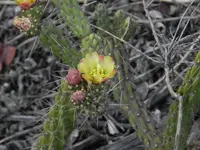
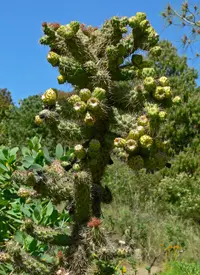
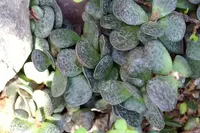
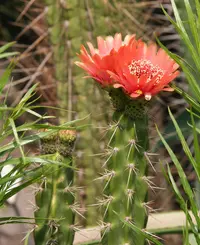
Zygophyllum mayanum is a small, shrubby succulent from arid regions of Central America. It forms low, branching clumps with thick, paired leaves that store water. New growth is often slightly fleshy and may show a bluish or gray-green tone, giving the plant a compact, architectural look in containers or rock gardens. Its drought tolerance and slow, controlled growth make it suitable for careful indoor culture. Because it comes from dry, sunny habitats, it prefers bright light, very well-drained soil, and infrequent watering. Understanding these natural conditions is the key to how to care for Zygophyllum mayanum.

Main Plant Requirements

Care Difficulty

Moderate Care

Light Preference

Full Sun

Water Requirements

Low Water

Temperature Preference

Warm Climate

Hardiness Zone

Unknown

Soil Texture

Sandy, Loamy, Rocky

Soil pH

Slightly alkaline (7.0–7.5), Alkaline (7.5–8.5)

Soil Drainage

Well-drained

Fertilization

Minimal (feed rarely)

Get Personalized Care Plan

Scan your plant to receive care tips personalized for your specific plant

Available on iOS and Android

How to Care for the Zygophyllum mayanum

This succulent prefers bright, open exposure similar to its native semi-arid habitat.

  • Provide 6–8 hours of direct sun daily, ideally strong morning to early afternoon light, to keep growth compact and foliage dense for Zygophyllum mayanum care instructions.
  • In very hot regions, give light afternoon shade or filtered light after 2–3 p.m. to prevent leaf scorch and excessive water loss.
  • In winter, ensure the plant is not shaded by taller vegetation or buildings, as low light leads to weak, stretched growth.

This species stores water in its fleshy tissues and needs a careful, dry-leaning watering routine.

  • Allow the top 3–5 cm of soil to dry completely before watering, then soak the root zone once, letting excess drain away quickly.
  • During active growth in spring and summer, expect deeper watering every 10–21 days depending on heat, wind, and soil drainage; avoid fixed schedules.
  • In fall and winter, reduce frequency sharply; shriveling leaves suggest underwatering, while soft, yellowing, or translucent leaves indicate overwatering and possible root rot.

This desert-adapted plant prefers warm, dry conditions and does not tolerate hard frost.

  • Aim for daytime temperatures of 70–85°F (21–29°C) during active growth, with slightly cooler nights to mimic natural conditions.
  • Protect the plant when temperatures drop near 35–40°F (2–4°C); brief light chills are tolerated, but freezing below 32°F (0°C) can damage stems and roots.
  • In heat waves above 95°F (35°C), ensure excellent airflow and consider light afternoon shade to limit stress and prevent tissue scorch.

This species tolerates typical indoor humidity and rarely needs special adjustments.

  • Prefers 30–50% humidity, similar to most heated or air-conditioned homes.
  • Handles dry air well if soil moisture is stable and roots are not waterlogged.
  • Low humidity stress shows as slight leaf edge browning or shriveling on newer growth.
  • Increase humidity only in very dry rooms by grouping plants or placing a water tray nearby, avoiding direct misting on leaves of Zygophyllum mayanum.

Soil preparation should prioritize sharp drainage and high air content around the roots.

  • Use a gritty, sandy mix, roughly 50–60% mineral components such as coarse sand, pumice, or perlite with the rest lean potting mix.
  • Aim for slightly alkaline to neutral pH around 7.0–7.8, avoiding strongly acidic substrates.
  • Improve aeration by including 0.5–1 cm grit or small gravel, which prevents fine particles from compacting around the roots.
  • Avoid dense, peat-heavy or clay-based soils that stay wet for longer than 2 days, as Zygophyllum mayanum is highly prone to root rot in such conditions.

This species is suitable for container growing when drainage and root-zone conditions are tightly controlled.

  • Choose a wide, shallow pot that matches the naturally spreading root system and keeps the root zone from staying cold and wet in depth.
  • Select unglazed terracotta if extra evaporation is needed, especially in cooler or low-light positions where mix drying is slower.
  • Raise the container slightly on feet or blocks so drainage holes remain clear and excess water leaves the pot quickly, especially outdoors after heavy rain.

This drought-adapted succulent from nutrient-poor habitats needs only light feeding for healthy growth.

  • Use a diluted balanced liquid fertilizer (around 10-10-10 or 20-20-20 at 1/4 strength) during active spring–summer growth.
  • Apply every 4–6 weeks at most; excess nutrients can cause weak, stretched growth in Zygophyllum mayanum.
  • Skip fertilizer in fall–winter when growth slows or stops, especially in cool conditions.
  • Avoid heavy organic compost; use low-salt cactus or succulent formulations instead.

This plant needs only minimal pruning to keep its form tidy and healthy.

  • Carry out light pruning in late winter or early spring before active growth resumes.
  • Remove dead, diseased, or rubbing stems with clean, sharp scissors or bypass pruners.
  • Thin crowded branches slightly to improve light penetration and air movement through the plant.
  • Shorten overly long shoots to maintain a compact shape without cutting back into very old, woody stems.

Container-grown plants prefer infrequent disturbance and slightly tight quarters.

  • Plan to repot every 2–3 years in spring when roots circle the pot or growth slows noticeably.
  • Move up only 1 pot size, using a fast-draining cactus or succulent mix to limit waterlogging stress on Zygophyllum mayanum.
  • Gently loosen circling roots, trim broken ones, and keep the original root ball largely intact.
  • After repotting, water lightly once, then allow the mix to dry well before resuming a normal watering schedule.

This species is most often propagated from semi-ripe stem cuttings taken in warm months.

  • Take 6–8 cm cuttings in late spring–summer, removing lower leaves and allowing cut surfaces to callus for 1–2 days.
  • Insert cuttings into a gritty, barely moist cactus mix under bright, indirect light and good air movement.
  • Maintain warmth around 70–80°F and avoid overwatering to limit rot and encourage root initiation.
  • Seed propagation is possible but slower; sow fresh seed in a well-drained mix and keep slightly dry between light waterings.

This warm-climate succulent dislikes hard frost and benefits from simple winter protection in cool regions.

  • In areas below 30°F, grow Zygophyllum mayanum in containers that can be moved indoors or to a frost-free porch.
  • Indoors, place in bright light and keep soil almost dry to prevent root rot during slow growth.
  • In mild climates, a light gravel mulch around the crown helps keep roots drier in winter.

Care Tips

Pot weight check

Use the weight of the pot as a quick indicator of root health and moisture balance; a consistently heavy pot suggests poor drainage or early root rot, so unpot and inspect roots if it stays heavy for several days after watering.

Salt buildup control

Every 2–3 months, flush the pot thoroughly with plain water until it runs freely from the drainage holes to reduce fertilizer salt buildup that can burn the fine feeder roots of this species.

Root zone aeration

When repotting, gently loosen the outer 1–2 cm of the root ball with a clean tool to improve root branching and aeration rather than placing a dense, compact root mass into fresh mix unchanged.

Dry season rest

Provide a slightly cooler, brighter, and drier period in late fall or winter to mimic its natural dry-season rest, which encourages stronger, more compact growth in the following active season.

Targeted pest scouting

Inspect the joints between stems and leaves and the lower stem near the soil line every 1–2 weeks with a hand lens, since early mealybug or scale infestations often hide there and are easier to control when first detected during caring for Zygophyllum mayanum.

Common Pests and Diseases

Mealybugs

This pest feeds on tender stems and leaf joints, sucking sap and causing shriveling of the small fleshy leaves. Symptoms include white cottony clusters in crevices and sticky honeydew on nearby surfaces.

Solution

Isolate the plant, then dab visible insects with cotton swabs dipped in 70% isopropyl alcohol and gently wipe affected areas. Improve light and airflow, and repeat alcohol or insecticidal soap treatments weekly until no new clusters appear, which is a key step in Zygophyllum mayanum care instructions.

Spider mites

These insects thrive on thin, fleshy foliage in hot, dry conditions, leading to fine stippling, dulling of leaf color, and webbing between stems. Symptoms include tiny moving dots on the undersides of leaves and gradual leaf drop if ignored.

Solution

Rinse the plant thoroughly with a gentle but strong stream of lukewarm water, focusing on leaf undersides, then let it dry in bright light. Raise humidity slightly near the plant, improve air movement, and apply a horticultural oil or insecticidal soap every 5–7 days for several cycles to break the life cycle.

Aphids

This pest often colonizes new shoots and soft stem tips, causing distortion and reduced growth. Symptoms include clusters of soft-bodied insects, shiny honeydew, and sometimes sooty mold on nearby surfaces.

Solution

Remove heavily infested tips if practical, then hose the plant off or rinse it in a sink to dislodge aphids. Follow with insecticidal soap sprayed thoroughly on all green tissue, repeating every 5–7 days until no new aphids appear, and avoid overfertilizing with high-nitrogen products that encourage soft, vulnerable growth.

Fungal leaf spots

This disease appears as small brown to dark spots on the succulent leaves, sometimes with yellow halos and eventual tissue collapse. Symptoms include localized lesions that may coalesce, causing leaves to dry and drop.

Solution

Remove and discard all affected leaves and any fallen debris, then keep foliage dry during watering and improve spacing and airflow. If the problem persists, use a broad-spectrum fungicide labeled for ornamental succulents and apply according to label directions, avoiding overhead watering and crowded, overly humid locations.

Bacterial stem rot

This disease affects water-storing stems, leading to soft, dark, foul-smelling tissue that can spread rapidly from a wound or damaged area. Symptoms include sudden wilting of nearby segments and collapse of affected portions of the plant.

Solution

Cut out all soft, discolored tissue back to firm, healthy growth using sterilized tools, and discard infected material rather than composting it. Allow remaining cut surfaces to dry and callus in a warm, bright, airy location, then adjust care by using a very free-draining gritty mix and watering only when the soil is completely dry to reduce future infections.

Interesting Facts

Limited scientific data

This species is poorly documented in the scientific literature, with only basic taxonomic records available and very little published on its ecology, physiology, or population status.

Regionally restricted occurrence

Available herbarium and database records suggest that this plant has a relatively narrow native range in Mesoamerica, rather than a broad, cosmopolitan distribution like some other members of Zygophyllaceae.

Taxonomic knowledge gap

Although placed in Zygophyllum based on morphological traits, the species has not been studied in modern molecular phylogenetic analyses, so its precise relationships within the genus remain uncertain.

FAQs about Zygophyllum mayanum

This species performs better outdoors in bright, dry conditions with excellent drainage. Indoors it often becomes weak and stretched due to lower light and airflow, so indoor culture suits only very bright, airy spots or temporary display use.

Grow Healthy Plants with Botan Care

Keep your plants happy and healthy with plant identification, disease detection, and easy care guidance.

Botan plant care app — identify plants on mobile

Explore More Plants