Use mineral mulch
Apply a 2–5 cm layer of coarse gravel or decomposed granite around the base to keep joints dry at the soil line and discourage rot and fungal issues when growing California cholla outdoors.

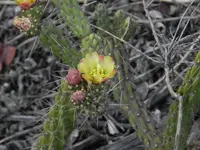
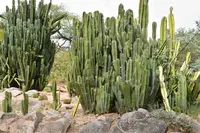
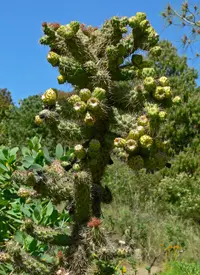
California cholla (Cylindropuntia californica) is a shrubby cactus native to dry coastal and inland areas of southern California and Baja California. It forms clumping, branching stems covered with sharp spines and sometimes bristly glochids that detach easily.
Plants often reach a low to medium height, creating dense, spiny thickets that provide shelter for wildlife. Showy yellow to greenish flowers appear along the joints, followed by rounded, often persistent fruits.
This species is adapted to arid, rocky sites with excellent drainage and full sun. It tolerates heat and drought very well but dislikes prolonged moisture and poorly drained soil, which is important to understand when learning how to care for California cholla.

Care Difficulty
Easy Care

Light Preference
Full Sun

Water Requirements
Low Water

Temperature Preference
Warm Climate

Hardiness Zone
8–11

Soil Texture
Sandy, Loamy, Rocky

Soil pH
Slightly acidic (6.5–7.0), Slightly alkaline (7.0–7.5)

Soil Drainage
Well-drained

Fertilization
Minimal (feed rarely)
Scan your plant to receive care tips personalized for your specific plant
Available on iOS and Android
This desert cactus thrives in strong, direct light and is adapted to intense sun exposure.
This species is highly drought-adapted and prefers infrequent, deep watering rather than light, frequent applications.
This cactus is adapted to hot, arid climates but still has clear limits for cold and frost exposure.
Humidity is rarely a concern for this desert-adapted cactus.
Use very fast-draining, mineral-heavy soil to prevent root rot in containers or dry gardens.
This species adapts well to container growing when its drought and weight are managed carefully.
This desert cactus needs minimal feeding, but light fertilization can support growth in containers or poor soils.
Pruning Cylindropuntia californica is mainly for safety, shape control, and plant health.
Transplanting or repotting this cactus is infrequent and mainly needed for container plants or poorly sited landscape specimens.
This species is most commonly propagated from stem cuttings, with seeds used less often.
Cylindropuntia californica is fairly cold tolerant in dry conditions but benefits from simple winter management in colder climates.

Plant Health Check
Not sure what's wrong with your plant? Check your plant's health inside the app.
This cholla is naturally restricted to sandy coastal habitats of southern California and northern Baja California, often growing in stabilized dunes and coastal scrub where few other woody plants tolerate shifting, salty substrates.
Its cylindrical stem joints detach very easily when disturbed, a trait that discourages large herbivores and also allows stem pieces to root and form new plants after being moved by animals or gravity.
Several recognized subspecies have very narrow ranges, and in parts of coastal southern California this cactus is considered rare due to habitat loss, making remaining wild populations of conservation interest.

Some populations of this species hybridize naturally with other Cylindropuntia in southern California, producing plants with intermediate spine and stem-joint characteristics that can make field identification challenging for botanists.
This species spreads by dropping jointed stem segments that root where they land. In dry, low-traffic areas it forms thickets over time, so allow generous space and avoid planting near paths, play areas, or lawns.
Keep your plants happy and healthy with plant identification, disease detection, and easy care guidance.