Sedum brevifolium Care

Sedum brevifolium

About Sedum brevifolium

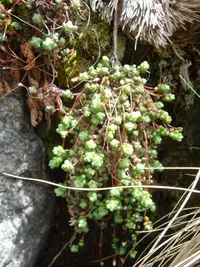
Sedum brevifolium is a small, mat-forming succulent known for its tiny, closely packed leaves that create a dense, cushion-like carpet. The foliage often shifts in color with light and temperature, adding subtle seasonal interest.

This species is native to rocky, dry areas of southern Europe, where it grows in thin, fast-draining soils and full sun. Its drought tolerance and compact habit make it well suited to containers, rock gardens, and small spaces.

Because it stores water in its leaves and tolerates poor soils, it is considered an easy plant for beginners who want to learn how to care for Sedum brevifolium. It generally prefers bright light, low to moderate moisture, and gritty, well-drained soil.

Main Plant Requirements

Care Difficulty

Easy Care

Light Preference

Full Sun

Water Requirements

Low Water

Temperature Preference

Cold Hardy

Hardiness Zone

5–9

Soil Texture

Sandy, Loamy, Rocky

Soil pH

Slightly acidic (6.5–7.0), Neutral (7.0)

Soil Drainage

Well-drained

Fertilization

Minimal (feed rarely)

Get Personalized Care Plan

Scan your plant to receive care tips personalized for your specific plant

Available on iOS and Android

How to Care for the Sedum brevifolium

This compact succulent thrives with bright sun and avoids stretching when light is strong and consistent.

  • Provide 4–6 hours of direct morning sun plus bright light the rest of the day; mild afternoon sun is acceptable in cooler climates.
  • In hot, dry regions, protect Sedum brevifolium from intense afternoon sun with light shade or filtered light to prevent leaf scorch.
  • If stems elongate or foliage turns pale, increase light exposure; in winter, maximize sun by avoiding shade from taller plants or structures.

This species prefers infrequent, deep watering and dries quickly between soakings.

  • Water only when the top 2–4 cm of soil are completely dry; in typical outdoor conditions this may mean every 7–14 days in warm weather.
  • Use very fast-draining, gritty soil and raised beds or slopes so water runs off quickly and roots do not sit in soggy conditions.
  • Overwatering shows as soft, translucent leaves and sudden collapse; underwatering shows as wrinkled, shriveled leaves that recover after a thorough soak.

This hardy succulent accepts a wide temperature range but performs best in mild conditions.

  • Active growth is strongest around 60–75°F (16–24°C); plants stay compact and color well in cooler, bright conditions.
  • Established clumps often tolerate down to about 0–10°F (-18 to -12°C) with good drainage, though prolonged wet cold increases rot risk.
  • Heat up to 90–95°F (32–35°C) is tolerated if soil is very free-draining; during heat waves, protect from reflective surfaces and hot afternoon exposure to reduce stress.

This species thrives in dry air and usually does not need humidity adjustment indoors.

  • Target 30–50% relative humidity, which matches most heated or air-conditioned homes.
  • Tolerates very low humidity; stress appears mainly as soft, elongated, pale growth from excess moisture rather than dryness.
  • If air is extremely dry and hot, increase humidity slightly by placing nearby open trays of water without enclosing the plant.

Sedum brevifolium needs very fast-draining, mineral-rich soil to prevent root rot.

  • Use a gritty, sandy mix such as 50–70% inorganic material (pumice, perlite, coarse sand, or small gravel) with 30–50% cactus potting mix.
  • Aim for slightly acidic to neutral pH around 6.0–7.0, avoiding strongly acidic or alkaline mixes that can limit nutrient uptake.
  • Improve aeration by using large, irregular particles (3–6 mm) and avoiding fine peat that compacts and holds excessive water.
  • Avoid dense, clay-heavy, or water-retentive soils that stay wet for more than 1–2 days after watering.

This compact succulent is very suitable for container growing.

  • Choose a wide, shallow pot that matches its mat-forming habit and prevents unused, constantly damp deeper soil.
  • Select porous materials such as unglazed terracotta to let the mix dry faster and reduce the chance of root rot.
  • Raise the container slightly on pot feet or bricks so drainage holes stay clear and water can exit quickly after each watering.

This species is adapted to poor, rocky soils and generally needs only light feeding in containers.

  • Use a diluted balanced liquid fertilizer (such as 10-10-10 at 1/4 strength) for Sedum brevifolium grown in pots.
  • Feed once in late spring and once in mid-summer during active growth, then stop.
  • Avoid compost-rich mixes or heavy slow-release products that keep the soil moist for long periods.
  • Never apply fertilizer to dry soil; water lightly first to reduce root burn risk.

Pruning is minimal and mainly used to keep Sedum brevifolium compact and healthy.

  • Best time for light trimming is after flowering in late spring or early summer.
  • Snip off dead, damaged, or leggy stems with clean, sharp scissors or small pruners.
  • Remove crowded or sprawling tips to maintain a low, dense mat and encourage branching.
  • Discard any diseased material rather than composting to limit potential disease spread.

This slow-growing succulent rarely needs frequent repotting and prefers slightly tight conditions.

  • Check for roots circling the pot, reduced drainage, or noticeably slower growth as signs to move Sedum brevifolium.
  • Plan repotting or transplanting in spring, about every 3–4 years for container plants.
  • Choose a shallow container with excellent drainage and a gritty cactus or succulent mix.
  • Handle roots gently, keep them as intact as possible, and water sparingly for 5–7 days afterward to limit stress.

Sedum brevifolium is commonly propagated from stem or leaf cuttings rather than from seed.

  • Take short, firm stem cuttings or individual leaves in late spring or summer.
  • Let cut surfaces dry and callus for 1–2 days before planting in a gritty, barely moist mix.
  • Provide bright, indirect light and good air flow; avoid high humidity to reduce rot.
  • Division of dense clumps in spring is also effective; replant sections immediately at the same depth.

This hardy sedum tolerates moderate frost and usually needs little special winter care in the ground.

  • In colder regions, use a light gravel or coarse sand mulch to protect the crown and improve drainage.
  • Keep container-grown Sedum brevifolium on the dry side and out of winter rain to prevent root rot.
  • Move pots to a bright, frost-free place if temperatures routinely fall below 20°F.

Care Tips

Control mat spread

Use scissors or clean snips to trim back overly dense mats in late spring so light reaches the lower foliage and to prevent inner stems from rotting in prolonged wet periods.

Boost drainage height

Raise shallow trays or bowls on pot feet or small tiles so excess water can drain fully from the base, which helps keep the fine root system aerated and less prone to rot.

Winter rain protection

In climates with wet, cool winters, place containers under a clear overhang or use a simple cold frame lid to keep rainfall off while still allowing bright light and good air movement.

Propagate from clumps

Gently break off small rooted clumps from the edges of the mound and replant them in fresh, sharply drained mix to quickly expand your planting without stressing the original colony.

Grit top-dressing

Apply a thin layer of horticultural grit or coarse sand on the soil surface to keep lower leaves dry, reduce algae and moss growth, and make caring for Sedum brevifolium in shallow dishes cleaner and easier.

Common Pests and Diseases

Mealybugs

This pest feeds on succulent leaves and stems, often hiding in tight leaf clusters and at stem joints. Symptoms include white cottony clusters, sticky honeydew, and gradual loss of vigor.

Solution

Isolate the plant, then wipe visible insects with cotton swabs dipped in 70% isopropyl alcohol and repeat weekly until no new clusters appear. Improve light and airflow, avoid overfertilizing, and, if needed, use a labeled insecticidal soap or neem oil, applying in the early morning and keeping the foliage out of intense sun until dry.

Aphids

These insects cluster on tender new growth and flower stems and can cause curling or distortion of leaves. Symptoms include sticky honeydew, sooty mold on the coating, and stunted growth.

Solution

Rinse the plant thoroughly with a firm but gentle stream of water to knock off colonies, repeating every few days. For persistent infestations, apply insecticidal soap to all plant surfaces, including undersides of leaves, and reduce excess nitrogen fertilizer that encourages soft, aphid-prone growth.

Fungal leaf spots

This disease develops in prolonged damp conditions, especially on dense mats of foliage. Symptoms include small brown or black spots on leaves that may merge and cause localized dieback of the mat.

Solution

Remove and discard affected leaves or small patches to stop spread, then improve air circulation and keep foliage dry by watering at the base in the morning. If conditions stay humid and spotting continues, apply a sulfur or copper-based fungicide labeled for succulents, following the product directions carefully.

Stem and crown rot

This disease occurs when the plant stays wet in poorly drained soil, especially in cool weather. Symptoms include soft, discolored stems at the base, a sour smell, and rapid collapse of affected patches.

Solution

Cut out and discard all soft, dark, or mushy tissue, rescuing any firm, healthy tips as cuttings. Replant only in a fast-draining gritty mix, use shallow, infrequent watering, and ensure containers and outdoor sites have very sharp drainage as a core part of Sedum brevifolium care instructions.

Interesting Facts

Miniature alpine cushions

This species naturally forms dense, tight cushions of tiny gray-green leaves on exposed rocky slopes in the Pyrenees and other southwestern European mountain ranges, helping it resist wind and rapid moisture loss at high elevations.

Leaves that redden

Its small, rounded leaves can flush pink to red under strong sun, cold nights, or drought stress due to increased pigments called anthocyanins, which help protect leaf tissues from light and temperature extremes.

Shallow but efficient roots

The plant develops a shallow, fibrous root system well adapted to thin, stony substrates, allowing it to quickly absorb brief pulses of moisture from rain or mountain fog in its native habitat.

FAQs about Sedum brevifolium

This species forms a low, slowly expanding mat rather than running aggressively. It spreads by short stems and occasional self-seeding, usually staying well contained. In rock gardens or troughs, simple edging is enough to control it.

Grow Healthy Plants with Botan Care

Keep your plants happy and healthy with plant identification, disease detection, and easy care guidance.

Botan plant care app — identify plants on mobile

Explore More Plants