coastal stonecrop Care (Lenophyllum texanum)

Also known as: Texas Sedum
coastal stonecrop

About coastal stonecrop

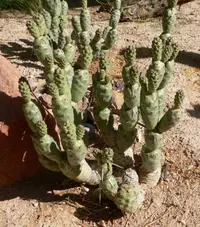
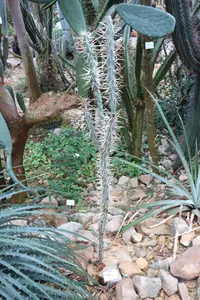
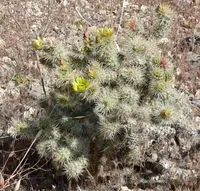
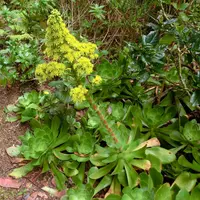
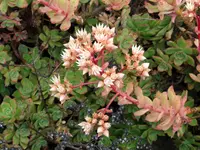
Coastal stonecrop (Lenophyllum texanum) is a compact, drought-tolerant succulent native to rocky and sandy areas of Texas and northern Mexico. It forms low mats of fleshy, green leaves that often develop reddish tones in strong sun.

The plant has a clumping habit and produces small, starry yellow flowers on short stems, adding subtle color without much maintenance. Its thick leaves store water, which makes it resilient to neglect and irregular watering.

Lenophyllum texanum prefers bright light, fast-draining soil, and careful watering that allows the roots to dry between soakings. These traits generally make it easy to care for coastal stonecrop in both outdoor rock gardens and small containers.

Main Plant Requirements

Care Difficulty

Easy Care

Light Preference

Full Sun

Water Requirements

Low Water

Temperature Preference

Warm Climate

Hardiness Zone

8–11

Soil Texture

Sandy, Loamy, Rocky

Soil pH

Slightly acidic (6.5–7.0), Slightly alkaline (7.0–7.5)

Soil Drainage

Well-drained

Fertilization

Minimal (feed rarely)

Get Personalized Care Plan

Scan your plant to receive care tips personalized for your specific plant

Available on iOS and Android

How to Care for the coastal stonecrop

This sun-loving succulent thrives in bright, open exposures similar to its native habitats.

  • Provide 6–8 hours of direct sun daily; morning to early afternoon sun is ideal for compact growth and rich leaf color.
  • It tolerates light afternoon shade, especially in very hot regions, but prolonged shade causes stretching and weak, pale stems.
  • In summer, introduce young coastal stonecrop to full sun gradually to prevent leaf scorch; in winter, maximize sun by avoiding deep shade from buildings or trees.

Watering for this succulent should mimic brief rains followed by dry periods.

  • Allow the top 3–5 cm of soil to dry completely before watering, then soak thoroughly so excess drains away from the root zone.
  • In spring and summer, expect to water more often during active growth; in cooler months, reduce frequency sharply as the plant dries much more slowly.
  • Signs of overwatering include soft, translucent leaves and blackened stems, while severe wrinkling and leaf drop indicate Lenophyllum texanum has stayed dry too long.

This species prefers warm, arid conditions with protection from hard frost.

  • Aim for 70–90°F (21–32°C) during active growth, which supports steady photosynthesis and firm, well-colored leaves.
  • It tolerates short dips to about 25–30°F (-4 to -1°C) if dry, but repeated freezing or wet cold quickly damages foliage and roots.
  • In heat above 95°F (35°C), provide afternoon shade and good airflow to limit stress; growth slows in cool weather below 50°F (10°C).

Humidity is rarely a concern for Lenophyllum texanum, which is adapted to dry air.

Lenophyllum texanum prefers a mineral, sharply drained substrate that dries quickly between waterings.

  • Use a gritty mix of 50–70% inorganic material such as pumice, perlite, or coarse sand with the rest lean potting mix.
  • Aim for slightly acidic to neutral pH, around 6.0–7.2, to support root function and nutrient uptake.
  • Ensure the mix crumbles easily in the hand; avoid compact, peat-heavy or clay-based substrates that hold water around the roots.
  • Top-dress with a thin gravel layer to reduce stem rot where foliage meets the soil surface.

This species is well suited to container growing, including shallow dishes or troughs.

  • Choose a wide, shallow pot to match its spreading habit and keep the root zone from staying wet too long.
  • Prefer unglazed terracotta when rainfall is frequent, since it allows faster evaporation from the root zone.
  • Elevate the container slightly so drainage holes clear the ground and water cannot pool under the pot.

Lenophyllum texanum needs only light feeding to support compact, healthy growth.

  • Use a balanced, low-strength liquid fertilizer (such as 10-10-10) at 1/4–1/2 label rate during active growth in spring–summer.
  • Apply every 4–6 weeks in well-drained soil, skipping feeds if growth is strong and foliage is deep green.
  • Avoid fertilizing in fall–winter when growth slows, especially for indoor coastal stonecrop, to prevent soft, weak tissue.
  • Do not use heavy compost layers that hold moisture; a thin, well-aerated top-dress is sufficient if desired.

Pruning is mainly used to keep Lenophyllum texanum compact and remove unsightly growth.

  • Best time is late winter to early spring, just before strong new growth begins.
  • Use clean, sharp scissors or small pruners to remove dead, damaged, or stretched stems at the base.
  • Tip back leggy shoots to encourage branching and a dense mound rather than tall, floppy growth.
  • After flowering, trim spent flower stems to maintain a tidy appearance and direct energy to foliage and roots.

This shallow-rooted succulent prefers infrequent disturbance, so repot or transplant only when clearly needed.

  • Repot every 2–3 years or when roots circle the pot, drainage slows, or growth becomes weak despite good light.
  • Plan repotting or garden transplanting for spring, allowing the plant a full warm season to reestablish.
  • Choose a slightly wider container with fast-draining cactus mix, handling the brittle stems and roots gently.
  • Let roots dry for 1–2 days after unpotting, then replant and water lightly to reduce stress and rot risk.

Lenophyllum texanum is commonly propagated from stem or leaf cuttings for consistent new plants.

  • Best season is spring–early summer, when warmth and light support fast rooting.
  • Take healthy stem tips or firm leaves, let cut surfaces callus in dry shade for 1–3 days.
  • Set cuttings on or just in gritty, barely moist cactus mix with bright, indirect light.
  • Keep temperatures around 70–80°F and moisture minimal until roots form, then increase light gradually.

This succulent prefers mild winters and benefits from simple protection in colder climates.

  • It tolerates light frost but can be damaged below about 25°F, especially in wet conditions.
  • In-ground plants in marginal zones benefit from a 2–5 cm layer of dry, coarse mulch around the root zone.
  • Move containers under cover or indoors to a bright, cool, frost-free spot with very light watering.
  • Keep soil on the dry side in winter to reduce rot risk in cold, short-day conditions.

Care Tips

Shallow, Wide Pots

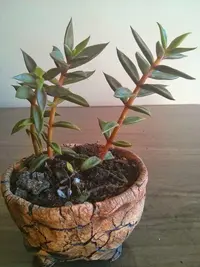
Use a shallow, wide container with ample drainage holes to match the plant’s spreading, shallow root system and reduce the risk of rot at the crown.

Gravel Topdressing

Apply a 1–2 cm layer of coarse gravel on the soil surface to keep leaves dry at the base, reduce algae and fungus gnat issues, and stabilize the plant in light, gritty mixes.

Planned Offset Division

Every 2–3 years, gently remove and replant well-rooted offsets into fresh, dry mix to maintain a compact colony and produce additional plants with minimal stress.

Winter Rain Protection

In climates with cool, wet winters, keep outdoor containers under a porch roof or eave so the plant stays bright but avoids prolonged cold moisture that can damage stems.

Light-Quality Check

Monitor leaf color and internode length; compact growth with slightly tinted foliage indicates adequate light, while long pale stems signal a need to move the plant to a brighter spot when growing coastal stonecrop.

Common Pests and Diseases

Mealybugs

This pest feeds on succulent leaves and stems, sucking sap and hiding in leaf joints and tight rosettes. Symptoms include white cottony clusters, sticky honeydew, and stunted or distorted new growth.

Solution

Isolate the plant, then remove visible mealybugs with a cotton swab dipped in 70% isopropyl alcohol and gently wipe leaf bases and crevices. Follow with a thorough spray of insecticidal soap or neem oil every 7–10 days for several cycles, and reduce excess nitrogen fertilization to make the plant less attractive to reinfestation.

Scale insects

These insects attach firmly to stems and leaf undersides, appearing as small brown, tan, or gray bumps. Symptoms include yellowing patches, reduced vigor, and sticky honeydew that can lead to sooty mold.

Solution

Gently scrape or wipe off individual scales with a cotton swab or soft brush dipped in 70% isopropyl alcohol, taking care not to damage the succulent tissue. For ongoing control, use repeated applications of horticultural oil or neem oil, ensuring good coverage of stems and leaf bases, and keep the plant in bright, dry, well-ventilated conditions.

Aphids

These insects cluster on tender new growth and flower stalks, sucking sap and excreting sticky honeydew. Symptoms include curled or distorted tips, slowed growth, and occasional sooty mold on surfaces below the plant.

Solution

Rinse aphids off with a firm but controlled stream of water, then treat remaining insects with insecticidal soap or neem oil, repeating every 5–7 days until no new colonies appear. Avoid overfertilizing, and maintain good light and airflow to support resilient Lenophyllum texanum plant care.

Edema (water blisters)

This disorder occurs when roots absorb water faster than leaves can transpire it, causing cells to burst and form corky spots or blisters on leaves. Symptoms include small raised bumps or rough, scarred patches, especially on older, lower leaves.

Solution

Allow the soil to dry more thoroughly between waterings, particularly in cool or low-light conditions, and ensure the pot has sharp drainage. Improve airflow around the plant and avoid sudden shifts from very dry to very wet soil to prevent new lesions from forming.

Bacterial soft rot

This disease causes localized mushy, foul-smelling areas on succulent leaves or stems, often starting at a wound or overwatered point. Symptoms include water-soaked, collapsing tissue that spreads quickly in warm, humid conditions.

Solution

Immediately remove and discard all affected leaves or stem sections with a sterile knife, cutting well into healthy tissue, and let the cuts dry and callus in a dry, airy location. Reduce watering, improve drainage, keep foliage dry, and avoid overhead watering or handling that may wound the fleshy stems, as there is no effective cure once rot is widespread.

Interesting Facts

Native Texan succulent

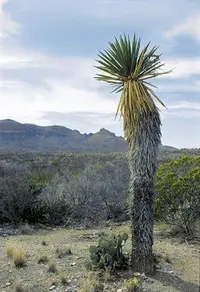
This species is native to south and west Texas and adjacent northern Mexico, where it naturally grows on rocky limestone outcrops, thin soils, and exposed ledges in semi-arid conditions.

Night-opening flowers

The small, pale yellow, star-shaped flowers often open and are most fragrant in the evening and at night, an adaptation that favors pollination by nocturnal insects such as moths.

Detached leaves root easily

Individual leaves that fall onto gritty, dry soil commonly root and form new rosettes, allowing the plant to spread locally without relying only on seed.

FAQs about coastal stonecrop

Brown leaves usually result from underwatering, intense reflected heat, or salt buildup in the potting mix. Check soil moisture, flush the soil occasionally, and move the plant away from very hot surfaces or harsh reflected sun.

Grow Healthy Plants with Botan Care

Keep your plants happy and healthy with plant identification, disease detection, and easy care guidance.

Botan plant care app — identify plants on mobile

Explore More Plants