giant Spanish-dagger Care (Yucca carnerosana)

giant Spanish-dagger

About giant Spanish-dagger

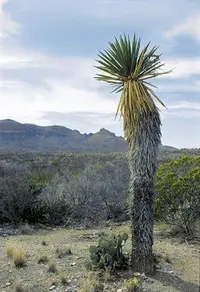
Giant Spanish-dagger (Yucca carnerosana) is a large, architectural succulent shrub from arid regions of northern Mexico and southern Texas. It forms stout trunks topped with dense rosettes of stiff, sword-like leaves. Over time, it can develop multiple heads, creating a striking, tree-like silhouette. Mature plants produce tall flower spikes with many creamy-white blooms. In nature, it grows in rocky slopes and desert grasslands, so it is highly drought tolerant and prefers excellent drainage. Its slow growth, toughness, and tolerance of poor soils make it relatively low-maintenance once established. Understanding how to care for giant Spanish-dagger mainly involves providing strong light, lean soil, and avoiding persistent excess moisture.

Main Plant Requirements

Care Difficulty

Easy Care

Light Preference

Full Sun

Water Requirements

Low Water

Temperature Preference

Cold Hardy

Hardiness Zone

6–10

Soil Texture

Sandy, Loamy, Rocky

Soil pH

Slightly acidic (6.5–7.0), Slightly alkaline (7.0–7.5)

Soil Drainage

Well-drained

Fertilization

Minimal (feed rarely)

Get Personalized Care Plan

Scan your plant to receive care tips personalized for your specific plant

Available on iOS and Android

How to Care for the giant Spanish-dagger

Yucca carnerosana prefers strong, consistent sun typical of arid and semi-arid habitats.

  • Provide 6–10 hours of direct sun daily; full sun is ideal, though light afternoon shade in very hot regions reduces leaf scorch risk.
  • Plant giant Spanish-dagger in an open, unshaded site; it tolerates very light partial shade, but growth becomes looser and leaves may lean toward the light.
  • In cooler seasons, full sun helps maintain compact form, while in intense summer sun, monitor leaves for bleaching or crisp brown tips as signs of excess exposure.

Yucca carnerosana is highly drought-tolerant and prefers infrequent, deep watering.

  • Allow soil to dry thoroughly between waterings; in the ground, wait until the top 5–10 cm are completely dry and the soil feels coarse, not cool or damp.
  • In warm growing seasons, deep soak only when leaves start to look slightly less rigid; in cool or dormant periods, water very sparingly or not at all if rain is sufficient.
  • Ensure sharply draining, sandy or gravelly soil; yellowing, soft leaves or a rotting crown indicate overwatering, while extreme leaf curling and browning tips suggest prolonged drought.

This species suits hot, arid climates and tolerates a wide temperature range once established.

  • Optimal growth occurs around 70–90°F (21–32°C), with steady warmth promoting strong rosettes and trunk development.
  • Mature plants can survive brief drops to about 10–15°F (-12 to -9°C) if soil is dry, but young plants are less cold-hardy and benefit from protection during hard freezes.
  • Heat tolerance is high, often 100–110°F (38–43°C), provided there is full sun, excellent airflow, and very well-drained soil to prevent root stress.

Yucca carnerosana tolerates a wide humidity range and rarely needs special humidity management indoors or outdoors.

  • Target 30–50% humidity, similar to most heated or air-conditioned homes, without extra humidifiers.
  • The plant copes well with dry air; crisp leaf tips usually indicate underwatering or heat stress, not humidity issues.
  • Only raise humidity slightly with a nearby pebble tray if leaves brown at the edges while soil moisture and light are already correct.

This species needs very fast-draining, mineral-based soil to prevent root and crown rot.

  • Use a gritty mix such as 50–70% coarse sand or small gravel with 30–50% cactus mix to keep structure open and sharply draining.
  • Aim for neutral to slightly alkaline pH (7.0–8.0), avoiding very acidic peat-heavy blends that compact around the roots.
  • Incorporate pumice or perlite to improve aeration, especially in containers or heavy native soils prone to holding water.
  • Avoid dense clay, waterlogged spots, or organic-rich mixes that stay wet for more than 1 day after watering, as this stresses Yucca carnerosana.

This species can be grown in containers, but the plant becomes large and strongly benefits from very stable, heavy pots.

  • Choose a deep, weighty container (such as thick-walled clay or concrete) that lowers the center of gravity for the tall, top-heavy rosette.
  • Ensure large, unobstructed drainage holes and keep the pot slightly elevated so runoff water clears quickly from the base.
  • Fill the container with a stony, cactus-style mix so rain or irrigation drains within minutes instead of pooling around the roots.

Yucca carnerosana grows well in lean soils and needs only modest feeding in cultivation.

  • Use a balanced slow-release fertilizer (around 10-10-10) or light compost top-dressing in spring.
  • Feed once at the start of the growing season for in-ground plants; containers can receive 1–2 light feeds.
  • Apply at 1/2 strength for liquids to avoid soft, weak growth and potential root burn.
  • Avoid feeding in fall and winter when growth slows, especially for giant Spanish-dagger in cool climates.

Pruning Yucca carnerosana is mainly cosmetic and focused on safety and tidiness.

  • Best time is late winter to early spring, before vigorous new growth begins.
  • Remove dead, broken, or crossing leaves with clean, sharp bypass pruners or a pruning saw.
  • Trim old lower leaves to expose the trunk and maintain a tidy, upright form.
  • Cut spent flower stalks back to the base to direct energy to foliage and root development.

This species is usually grown in the ground, so transplanting is more common than repotting.

  • Transplant in late spring when soil is warming and the risk of hard frost has passed.
  • Look for slow growth, roots circling a pot, or plants outgrowing their space as signs of needed relocation.
  • Water deeply 1–2 days before moving, then dig a wide root ball and replant at the same depth in sharply drained soil.
  • Reduce root stress by shading the plant for 1–2 weeks after transplanting and watering lightly until re-established.

Propagation of Yucca carnerosana is practical but slower than many soft-stemmed ornamentals.

  • Take stem or offset cuttings in late spring or early summer, allowing cut surfaces to dry and callus for several days.
  • Plant cuttings in very well-drained, gritty mix and keep barely moist, with bright light and good airflow.
  • Sow seeds in warm (70–80°F) conditions, using a coarse, free-draining medium and light, even moisture.
  • Provide patience; rooting and seedling development can take many weeks before strong new growth appears.

Mature plants are quite cold hardy but young or potted Yucca carnerosana may need some winter attention.

  • Established plants tolerate brief freezes and light snow in well-drained soil.
  • Apply a 5–8 cm gravel or coarse mulch layer around the root zone in colder regions, keeping it off the crown.
  • For containers, move pots to a bright, unheated sheltered space once temperatures drop below the mid-20s°F.

Care Tips

Secure Structural Support

In very windy or exposed sites, stake young plants with 2–3 sturdy posts set outside the root zone and tied loosely with soft, UV-stable straps to prevent trunk rocking that can damage new roots.

Manage Lower Leaves

Once older lower leaves turn fully brown and dry, cut them cleanly at the base with pruning shears rather than pulling, which helps prevent trunk wounds and keeps the rosette well ventilated.

Gravel Mulch Ring

Apply a 5–8 cm ring of coarse gravel around the base instead of organic mulch to suppress weeds, keep the crown dry, and reflect heat and light toward the plant in cooler climates.

Plan Safe Spacing

When growing giant Spanish-dagger near walkways, plant it at least 1.5–2 m away from paths and entries so the rigid, sharp leaves do not pose a hazard as the rosette expands.

Inspect Crown After Rains

After prolonged heavy rain, inspect the leaf rosette and crown, then gently shake or fan out tightly packed leaves if water is sitting in the center to reduce the risk of rot in cool or humid conditions.

Common Pests and Diseases

Yucca weevil

This pest bores into the base and crown, causing wilting, yellowing, and sudden collapse of heads or whole stems. Symptoms include frass (sawdust-like material) and soft, rotten tissue at the stem base.

Solution

Remove and destroy heavily infested stems to prevent further spread, and inspect the crown regularly for fresh boring holes. Keep the plant in well-drained, dry conditions, and if needed use a targeted systemic insecticide labeled for weevils, applied according to label directions around the crown and root zone.

Scale insects

These insects attach along leaves and stems, appearing as small, hard bumps that suck sap and cause yellowing and general decline. Sticky honeydew and sooty mold may appear around affected areas.

Solution

Wipe or gently scrape off visible scale with a cloth or soft brush dipped in insecticidal soap or diluted alcohol, focusing on leaf bases and along the trunk. For heavier infestations, repeat treatments with horticultural oil, making sure to coat the insects thoroughly while keeping the plant in a shaded, cooler spot during application to avoid leaf burn.

Yucca leaf spot

This disease causes tan to dark-brown spots or streaks on the stiff leaves, sometimes with yellow halos, and can lead to premature leaf drop under humid or crowded conditions. Symptoms include more damage on lower, older leaves where moisture persists longer.

Solution

Prune and discard affected leaves to reduce inoculum, and improve air circulation by spacing plants and avoiding overhead watering. If spotting continues to spread in humid weather, apply a copper-based fungicide labeled for ornamental leaf spots, following label guidance and allowing leaves to dry quickly after irrigation.

Southern blight

This disease, caused by soilborne fungi, leads to rapid wilting and yellowing from the base, along with brown, rotting tissue at soil level and white fungal growth with small tan sclerotia (seed-like structures). Symptoms include sudden collapse of one or more stems even in otherwise dry conditions.

Solution

Cut out and discard infected crowns and surrounding soil, and avoid replanting susceptible species in the same spot. Improve drainage, raise the planting area if needed, and use a coarse mineral mulch; in high-risk sites, consider preventive soil-directed fungicide treatments labeled for southern blight in ornamental landscapes.

Agave snout weevil

This pest occasionally attacks large yuccas in arid landscapes, tunneling into the crown and causing internal rot, leaf loosening, and eventual toppling of the rosette. Symptoms include foul odor and soft, collapsing tissue at the plant center.

Solution

Remove and dispose of infested plants promptly to prevent adults from moving to nearby specimens, and avoid wounding the crown, which attracts egg-laying females. In areas where this weevil is established, consider preventive systemic insect treatments in late spring on high-value plants and maintain very well-drained, low-organic soils to reduce favorable conditions for decay once damage occurs.

Interesting Facts

Desert limestone specialist

This species is naturally restricted to arid limestone slopes and cliffs in northeastern Mexico and a few spots in Texas, often rooting in very shallow, rocky soils where many other woody plants cannot survive.

Massive flowering stalk

Mature plants produce a tall, branched flower stalk that can reach several meters above the rosette, carrying hundreds of creamy white flowers that are pollinated at night by moths and other insects.

Architectural multi-trunk form

Unlike many smaller yuccas, older individuals develop several thick, upright trunks topped with dense rosettes of stiff leaves, giving mature plants a tree-like, sculptural silhouette in the landscape.

Botan icon

Did you know?

Yucca carnerosana is considered one of the largest tree-form yuccas, with old specimens forming substantial clumps that can dominate exposed desert ridges and act as important perches and shelter for birds in otherwise sparsely vegetated habitats.

FAQs about giant Spanish-dagger

This species usually flowers only once it is quite mature, often after many years. Lack of bloom is normal in young plants. Poor light, heavy fertilizer, or recent transplanting can also delay flower spike development.

Grow Healthy Plants with Botan Care

Keep your plants happy and healthy with plant identification, disease detection, and easy care guidance.

Botan plant care app — identify plants on mobile

Explore More Plants