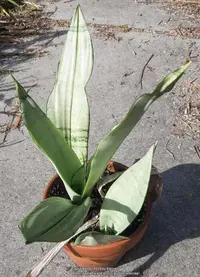
Aeonium ciliatum Care

Aeonium ciliatum

About Aeonium ciliatum

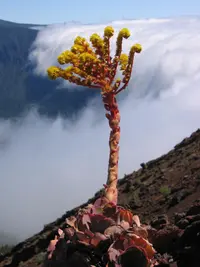
Aeonium ciliatum is a shrubby succulent from the Canary Islands, valued for its rosettes of fleshy leaves on branching, woody stems. It forms an open, somewhat tree-like structure that can become quite architectural with age.

In habitat it grows in mild, coastal and upland climates with bright light and well-drained, rocky soils. Its drought tolerance and relatively slow growth make it manageable for container culture, although it dislikes hard frost and prolonged waterlogging.

Understanding how to care for Aeonium ciliatum starts with providing strong light, good air movement, and soil that dries between waterings, which keeps roots healthy and foliage compact.

Main Plant Requirements

Care Difficulty

Moderate Care

Light Preference

Partial Sun

Water Requirements

Low Water

Temperature Preference

Tropical / Frost Sensitive

Hardiness Zone

10–11

Soil Texture

Sandy, Loamy, Rocky

Soil pH

Slightly acidic (6.5–7.0), Neutral (7.0)

Soil Drainage

Well-drained

Fertilization

Minimal (feed rarely)

Get Personalized Care Plan

Scan your plant to receive care tips personalized for your specific plant

Available on iOS and Android

How to Care for the Aeonium ciliatum

This sun-loving succulent needs bright exposure but is sensitive to extreme midday heat in hot summers.

  • Provide 4–6 hours of direct morning sun with bright, filtered light or light shade in the afternoon, especially in zones with hot summers.
  • Tolerates light or partial shade, but rosettes of Aeonium ciliatum may elongate and lose color if grown in less than 3–4 hours of direct light.
  • In summer, protect from intense sun above 90°F (32°C) to avoid leaf scorch; in winter, choose the brightest available spot to compensate for shorter days.

Watering should respect its drought-tolerant, succulent nature and the plant’s seasonal rhythm.

  • Allow the top 3–5 cm (1–2 in) of soil to dry before watering, then soak thoroughly, ensuring excess water drains away quickly.
  • In active growth, typically fall to spring, expect more frequent watering; in hot, dry summer dormancy, reduce watering and irrigate only when leaves begin to slightly wrinkle.
  • Use sharply draining soil and avoid standing water; yellowing, mushy lower leaves suggest overwatering, while crisp, shriveled foliage indicates prolonged underwatering.

This species prefers mild, frost-free conditions with moderate seasonal variation.

  • Aim for 60–75°F (16–24°C) during active growth, with slightly cooler nights to support compact rosettes and steady development.
  • Protect from temperatures below 32°F (0°C); brief light frost may damage leaf edges, while hard freezes can kill the growing tips or entire plant.
  • Tolerates short periods up to about 90–95°F (32–35°C) if soil is not waterlogged and airflow is good, but extended extreme heat can trigger dormancy and leaf drop.

This succulent shrub prefers dry air and usually does not need special humidity control indoors.

  • Ideal relative humidity is 30–50%, matching most heated or air-conditioned homes.
  • Tolerates drier air if soil moisture is managed carefully and roots are not kept wet.
  • Low humidity rarely causes stress; problems like shriveling leaves usually result from underwatering rather than air dryness.

Aeonium ciliatum requires a sharply draining, mineral-based mix to keep roots aerated and dry between waterings.

  • Use a gritty, sandy mix such as 50–70% inorganic material (pumice, perlite, coarse sand) with 30–50% lean potting soil.
  • Ensure very fast drainage so water runs through in seconds and the mix dries within a few days.
  • Aim for slightly acidic to neutral pH, roughly 6.0–7.0, which most commercial cactus mixes provide.
  • Avoid dense, peat-heavy, or clay soils that stay wet, as these quickly lead to root rot and stem collapse.

This species is well suited to container growing when the pot supports its shrubby, sometimes top-heavy form.

  • Choose a wide, low, and heavy container to reduce tipping risk as the rosettes gain size and catch wind outdoors.
  • Select terra cotta or unglazed clay if extra evaporation is needed in cooler or less sunny locations.
  • Elevate the pot on feet or grids so drainage holes stay clear and runoff moves away quickly after watering.

This succulent needs modest feeding to support compact rosettes and healthy color during its active season.

  • Use a balanced liquid fertilizer (around 10-10-10 or 20-20-20) diluted to 25–50% strength for Aeonium ciliatum in containers.
  • Feed every 4–6 weeks in spring and early summer when growth is strongest.
  • Skip or greatly reduce fertilizing in late summer dormancy and winter to avoid soft, weak growth.
  • Organic compost or a mild slow-release fertilizer can be mixed sparingly into very free-draining soil at the start of the season.

Pruning is mainly used to tidy plants and shape rosettes rather than to control vigorous growth.

  • Best time to prune Aeonium ciliatum is late winter to early spring, just before strong growth starts.
  • Remove dead, shriveled, or damaged rosettes and stems with clean, sharp scissors or pruners.
  • Thin congested branches to improve light and airflow, which helps maintain symmetrical rosettes.
  • Cutting back leggy stems encourages branching and a fuller, more compact plant outline.

Container-grown plants benefit from occasional repotting to refresh soil and manage root health.

  • Repot when roots circle the pot, emerge from drainage holes, or growth slows despite good light and watering.
  • Move Aeonium ciliatum in late winter or early spring, about every 2–3 years, before vigorous growth resumes.
  • Choose a pot only 2–3 cm wider with very free-draining cactus or succulent mix to limit waterlogging stress.
  • Lift the plant gently, loosen outer roots, replant at the same depth, then water lightly after 3–5 days of dry recovery.

This species is commonly propagated from stem cuttings, making it practical to expand a small collection.

  • Take 5–10 cm stem cuttings with healthy rosettes from Aeonium ciliatum in late winter to late spring.
  • Allow cut ends to callus for 2–5 days in a dry, shaded place to reduce rot risk.
  • Insert cuttings into barely moist, gritty succulent mix and keep in bright, indirect light at 65–75°F.
  • Water sparingly until roots form, then gradually increase light and resume a normal succulent watering schedule.

Cool-season growth and poor frost tolerance mean plants need careful handling in cold climates.

  • Aeonium ciliatum is frost sensitive and should be kept above 35–40°F, ideally indoors in USDA zones colder than 10.
  • Move containers to a bright, cool indoor spot or protected porch before the first frost.
  • Keep soil slightly drier in winter, avoiding prolonged saturation in cool conditions.
  • In mild coastal climates, a light gravel mulch around the root zone helps drainage and protects the crown from excess winter moisture.

Care Tips

Rotate for symmetry

Turn the pot 90° every 1–2 weeks during active growth so the rosette develops evenly and the stem does not lean strongly toward the light.


Support top-heavy stems

If the stem elongates and becomes top-heavy, insert a slim bamboo stake close to the base and secure the stem loosely with soft plant ties to prevent snapping in wind or when moving the pot.

Timed summer rest

In very hot, dry summers, slightly reduce watering and avoid repotting or heavy feeding, as this species can partially pause growth in heat and responds better when major work is done in cooler, active-growth periods.

Encourage branching

After the plant has formed a sturdy stem, selectively cut just below the rosette with a sterile blade in late winter or early spring to stimulate multiple new shoots along the stem, using the removed rosette as a cutting if desired.

Prevent fungal spots

Water directly onto the substrate and avoid wetting the rosettes in the evening, which helps reduce fungal spotting on leaves when caring for Aeonium ciliatum in humid or coastal climates.

Common Pests and Diseases

Aphids

This pest feeds on tender rosette growth, causing distortion, sticky honeydew, and sometimes sooty mold on leaves and stems.

Solution

Rinse colonies off the rosettes with a firm stream of water, then treat remaining insects with insecticidal soap or a light horticultural oil, repeating weekly until gone. Reduce excess nitrogen fertilization and inspect new growth often, especially when growing Aeonium ciliatum in mild, humid coastal climates where aphids are common.

Mealybugs

These insects appear as white, cottony clusters in leaf axils and along stems, weakening the plant and causing yellowing or leaf drop if populations build up.

Solution

Isolate the plant, then dab visible mealybugs with cotton swabs dipped in 70% isopropyl alcohol and follow with insecticidal soap or neem oil on all rosettes and stems. Improve light and avoid overfertilizing, and inspect offsets and the base of the rosettes regularly to catch reinfestations early.

Aeonium leaf spot

This disease causes small brown to black spots on the succulent leaves, often starting on lower leaves that stay wet or shaded for long periods.

Solution

Remove and discard affected leaves, then keep foliage dry, water at the soil level, and increase airflow around the rosettes. In persistent, humid conditions, apply a copper-based fungicide labeled for ornamentals according to directions and avoid overhead watering, especially in the evening.

Powdery mildew

This disease appears as a white, powdery coating on the fleshy leaves, which can lead to dull, distorted foliage and reduced vigor under crowded or shaded conditions.

Solution

Improve light and air circulation around the plant, avoid wetting the foliage, and prune overcrowded stems or nearby plants to reduce humidity pockets. Treat active infections with a sulfur-based fungicide or potassium bicarbonate product labeled for ornamentals, applying to all leaf surfaces as directed.

Soft scale

These insects form rounded, waxy or dome-shaped bumps on stems and sometimes leaf undersides, sucking sap and excreting honeydew that can attract sooty mold.

Solution

Gently scrape or wipe off visible scales with a soft cloth or toothbrush, then apply a light horticultural oil to smother remaining insects, repeating every 7–14 days as needed. Monitor stems and the underside of rosettes closely, especially on plants kept outdoors in mild climates where ants and other insects can help scales spread.

Interesting Facts

Endemic laurel-pine slopes

This species is naturally restricted to Tenerife in the Canary Islands, where it grows on humid, north-facing slopes within laurel forest and Canary Island pine zones, often on rocky banks and road cuts.

Tall, shrubby growth

Unlike many low, compact aeoniums, this species can form branched, upright shrubs over 1 m tall with large rosettes concentrated toward the tips of the stems.

Sticky, hairy leaves

Its leaves are covered with fine hairs and glandular structures that can feel slightly sticky, a surface that helps manage moisture and may deter some herbivores in its native habitat.

Botan icon

Did you know?

In the wild, this species often forms local, visually dominant stands on humid volcanic slopes of northern Tenerife, making it an important and characteristic element of the island’s mid-elevation cliff and bank vegetation.

FAQs about Aeonium ciliatum

Lack of bloom often relates to plant age or seasonal rhythm. This species flowers when mature, then that rosette dies. Ensure strong light, a cool, dryish winter rest, and avoid heavy pruning of potential flowering rosettes.

Grow Healthy Plants with Botan Care

Keep your plants happy and healthy with plant identification, disease detection, and easy care guidance.


Botan plant care app — identify plants on mobile

Explore More Plants