Offset management
Rotate and gently remove offsets only when they show clear root nubs, then replant in separate, shallow pots to reduce crowding and maintain a compact, flowering clump over time.


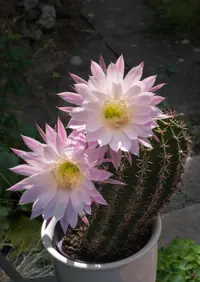
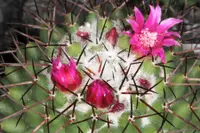
Aylostera heliosa is a small, clustering cactus known for its tight, rounded stems covered in fine, radiating spines that create a silvery, textured look. In spring, it produces striking orange to red funnel-shaped flowers that can almost hide the stems.
This species comes from high-altitude regions of Bolivia, where it grows in rocky, well-drained habitats with strong light and cool nights. Its compact size and slow, offsetting growth habit make it popular for windowsills and small containers.
The plant is generally considered easy to grow for those who understand how to care for Aylostera heliosa, especially its need for bright light, porous soil, and careful watering that avoids prolonged moisture around the roots.

Care Difficulty
Moderate Care

Light Preference
Full Sun

Water Requirements
Low Water

Temperature Preference
Warm Climate

Hardiness Zone
10–12

Soil Texture
Sandy, Rocky, Loamy

Soil pH
Slightly acidic (6.5–7.0), Neutral (7.0)

Soil Drainage
Well-drained

Fertilization
Minimal (feed rarely)
Scan your plant to receive care tips personalized for your specific plant
Available on iOS and Android
This small cactus prefers bright, direct light but benefits from some protection during the hottest hours.
This species needs infrequent, thorough watering and fast-draining soil to avoid root rot.
This cactus prefers warm days, cool nights, and a dry, frost-free rest in winter.
This species prefers dry indoor air and does not have special humidity needs.
This cactus needs a very fast-draining, gritty mix to prevent root rot.
This species is very suitable for container growing due to its compact, clustering habit.
This small cactus has low nutrient needs but benefits from light feeding during active growth.
Pruning is minimal and mainly keeps this cactus healthy and well-shaped.
This cactus prefers to stay slightly root bound and only needs occasional repotting.
This species is most often propagated from offsets, with seed used mainly by dedicated growers.
This cactus needs cool, very dry winter conditions and must be kept above hard frost.

Plant Health Check
Not sure what's wrong with your plant? Check your plant's health inside the app.
This species naturally forms tight, low cushions of many small heads, each only about 1–2 cm across, creating a compact mound rather than a single large stem.
In strong light the stems often turn a distinctive coppery to orange-brown tone, an adaptive response that helps protect the plant’s tissues from intense high-altitude sunlight.
The short, fine, radially arranged spines create a regular star-like pattern on each areole, giving the plant a silvery, textured appearance that is characteristic for this species within its genus.

In its native Bolivian habitat, this cactus grows on rocky slopes at relatively high elevations, where its dense clustering and low profile help it withstand strong sun, wide temperature swings, and occasional drought in a very exposed environment.
Lack of flowers usually comes from insufficient light, too much nitrogen-rich fertilizer, or keeping winter temperatures too warm. This cactus needs a cool, bright, relatively dry winter rest period to set buds and bloom well in spring.
Keep your plants happy and healthy with plant identification, disease detection, and easy care guidance.