twistleaf yucca Care (Yucca pallida)

Also known as: Pale Yucca
twistleaf yucca

About twistleaf yucca

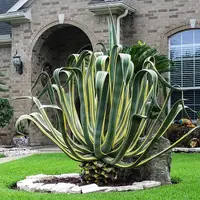
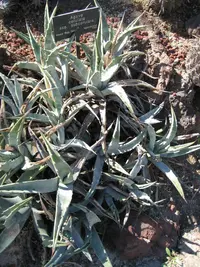
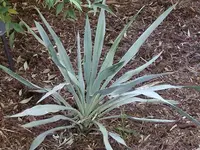
Twistleaf yucca, Yucca pallida, is a small, clumping desert shrub grown mainly for its cool blue-green foliage and strong architectural form. It stays low and compact, with narrow, twisting leaves that create a soft, rounded rosette. Taller branched flower spikes appear seasonally, carrying clusters of pale, bell-shaped blooms above the foliage.

This species is native to dry, rocky areas of central Texas and northern Mexico, where it thrives in full sun and well-drained, gritty soil. Its drought tolerance, heat resistance, and general toughness make it straightforward to care for twistleaf yucca in low-maintenance gardens and containers, as long as the soil does not stay wet for long periods.

Main Plant Requirements

Care Difficulty

Easy Care

Light Preference

Full Sun

Water Requirements

Low Water

Temperature Preference

Cold Hardy

Hardiness Zone

6–10

Soil Texture

Sandy, Loamy, Rocky

Soil pH

Slightly acidic (6.5–7.0), Slightly alkaline (7.0–7.5)

Soil Drainage

Well-drained

Fertilization

Minimal (feed rarely)

Get Personalized Care Plan

Scan your plant to receive care tips personalized for your specific plant

Available on iOS and Android

How to Care for the twistleaf yucca

Yucca pallida thrives in bright, mostly direct sun with some protection at the hottest times of day.

  • Provide 6–8 hours of sun daily, ideally with full morning sun and light afternoon shade, especially in hot summer climates.
  • Plant twistleaf yucca where it receives at least half-day sun; in light or partial shade it survives but grows looser and may lean toward the light.
  • Watch leaves for stress: very pale, crisped patches indicate too much intense afternoon sun, while thin, stretched growth signals insufficient light.

Yucca pallida prefers dry, fast-draining conditions and is highly drought tolerant once established.

  • Allow the top 5–8 cm of soil to dry completely before watering; in arid or hot weather this may mean deep watering every 2–4 weeks, and far less often in cool seasons.
  • Use gritty, sharply draining soil and avoid low spots where water collects, since standing moisture around the roots quickly triggers rot.
  • Overwatering shows as yellowing, mushy leaves and a soft crown; prolonged drooping and browning leaf tips usually indicate the plant has been dry for too long.

This species is adapted to wide outdoor temperature swings but has clear limits for long-term health.

  • Optimal growing temperatures are around 65–90°F (18–32°C), with strong growth during warm spring and summer conditions.
  • Mature plants tolerate brief drops to about 0–10°F (-18 to -12°C) when well drained, but repeated hard freezes with wet soil increase crown-rot risk.
  • In extreme heat above 100°F (38°C), provide some late-day shade and ensure soil drains quickly so hot, soggy conditions do not damage roots.

Yucca pallida tolerates low indoor humidity and usually does not require special humidity management.

  • Target 30–50% humidity, similar to most heated or air-conditioned homes, without active modification.
  • Dry air is rarely harmful; focus more on light and drainage than on raising humidity for twistleaf yucca.
  • If tips brown while soil stays correctly watered, suspect fluoride, salts, or root issues rather than low humidity.

Yucca pallida prefers lean, mineral, sharply drained soil that dries quickly after watering.

  • Use a gritty mix such as 50% cactus potting mix with 25% coarse sand and 25% pumice or perlite to maximize drainage.
  • Aim for slightly acidic to neutral pH, about 6.0–7.2, and avoid peat-heavy mixes that stay wet for long periods.
  • Ensure the soil structure is loose and crumbly, not compacted, so oxygen can reach the roots and excess water moves out fast.
  • Avoid clayey, poorly drained, or highly organic soils, which increase the risk of root rot and frost damage in cooler climates.

This species adapts well to container growing outdoors if the pot provides fast drainage and stability.

  • Choose a heavy, wide-based container to keep the tall rosette stable in strong wind and to prevent tipping.
  • Select a pot that allows 5–8 cm of free space around the root mass so the soil can dry evenly between deep waterings.
  • Use unglazed clay if extra evaporation is needed in wet or humid climates, as it allows moisture to escape through the pot walls.

Yucca pallida grows well in lean soil but benefits from modest feeding in containers or very poor ground.

  • Use a balanced slow-release fertilizer or diluted liquid feed (around 1/4–1/2 strength) in spring for twistleaf yucca.
  • Apply once at the start of the growing season, or every 6–8 weeks for potted plants with fast-draining mix.
  • Rinse soil lightly after feeding to prevent salt buildup around roots.
  • Stop fertilizing in late summer; do not feed in winter dormancy.

Yucca pallida needs light, occasional pruning mainly to maintain appearance and remove damage.

  • Best time is late winter to early spring before new growth extends.
  • Cut away dead, yellowing, or storm-damaged leaves at the base with clean, sharp pruners.
  • Thin crowded rosettes only if access or airflow is poor, preserving the plant’s natural form.
  • Remove spent flower stalks near their base once they dry to tidy the clump.

This species is usually grown in the ground; focus on careful transplanting or infrequent repotting for containers.

  • Transplant or up-pot in spring when roots circle the pot, drainage is poor, or growth slows without other cause.
  • Plan on repotting container plants about every 3–5 years into a gritty, fast-draining mix.
  • Water the plant 1–2 days before moving it to reduce root stress and ease removal.
  • Set at the same soil depth in the new site, firm gently, then water once and allow soil to dry between later waterings.

Yucca pallida is commonly propagated from offsets and stem cuttings, with seeds used less often.

  • Divide or remove offsets in spring or early summer when they have a good root base.
  • For stem cuttings, allow cut surfaces to dry and callus for several days before planting in gritty, barely moist mix.
  • Keep cuttings warm (around 70–80°F) with bright, indirect light and good air movement to encourage rooting.
  • Sow seeds in a well-drained medium, just covered, and maintain light moisture and warmth until germination.

Yucca pallida is quite cold hardy and usually needs minimal winter care in the ground.

  • In climates colder than its usual range, add a 5–8 cm layer of dry mulch around the root zone, keeping it off the crown.
  • Ensure soil drains well; avoid waterlogged conditions that increase winter rot risk.
  • For container plants, move pots to a sheltered, unheated but frost-free spot with bright light.

Care Tips

Root-zone gravel

When planting in the ground, lay a 5–8 cm layer of coarse gravel or crushed stone directly under the root ball to keep the crown dry and reduce the risk of rot in wet winters.

Offset management

Every 2–3 years, slice off a few well-rooted side pups with a clean, sharp knife and replant them, which keeps the main clump from becoming overcrowded and maintains good air flow around the leaves.

Winter drainage protection

In regions with wet, cool winters, build a low soil mound or raised bed and plant on top of it so excess water drains away from the crown during the cold season.

Leaf injury cleanup

If leaves are mechanically damaged or sun-scorched, trim only the brown, dead portions along the natural leaf shape instead of removing whole leaves to preserve photosynthesis while improving appearance.

Weed and debris control

Keep a 30–45 cm weed-free gravel or stone mulch ring around the plant to reduce competition, reflect light to the lower leaves, and prevent decaying organic debris from holding moisture at the crown when growing twistleaf yucca.

Common Pests and Diseases

Yucca moth larvae

This pest lives inside the flowering stalks and seed capsules, where the larvae feed on developing seeds and can weaken or deform the inflorescence. Symptoms include small entry holes, frass, and reduced viable seed set.

Solution

Remove and dispose of heavily infested flower stalks and seed pods before larvae complete development, and clean up spent inflorescences after flowering to reduce carryover. In landscapes where seed production is not needed, cutting flower stalks shortly after bloom limits habitat for larvae while keeping the plant healthy for growing Yucca pallida in dry gardens.

Agave plant bug

This pest is a sap-feeding insect that clusters on leaves and in leaf axils, causing stippling, pale patches, and sometimes leaf distortion on Yucca pallida. These insects excrete sticky honeydew that can attract sooty mold on the leaf surface.

Solution

Spray leaf surfaces and leaf axils with a strong stream of water to dislodge bugs, then spot-treat remaining clusters with insecticidal soap or a ready-to-use neem oil product, applied in the early morning or evening. Reduce plant stress with appropriate watering and avoid high-nitrogen fertilizer, which can increase soft new growth that attracts sap feeders.

Scale insects

This pest forms small, dome-shaped or oval shells on leaves and stems, often along the midrib, causing gradual yellowing, reduced vigor, and occasional leaf drop. These insects may also produce honeydew, which encourages sooty mold on the waxy foliage.

Solution

Physically remove light infestations by gently scraping individual scales with a fingernail or soft brush, then wipe leaves with a cloth dipped in diluted insecticidal soap. For heavier infestations, repeat applications of horticultural oil or insecticidal soap every 7–14 days, ensuring thorough coverage of both leaf surfaces and leaf bases, while monitoring for fresh crawlers on new foliage.

Leaf spot

This disease causes tan to brown spots or lesions on leaves, sometimes with darker margins, often starting on older or lower leaves exposed to prolonged moisture. Symptoms include scattered spotting that may coalesce into larger patches, giving the leaf a mottled appearance.

Solution

Prune and discard affected leaves to remove fungal or bacterial inoculum, and keep foliage as dry as possible by watering at the base of the plant early in the day. Improve airflow by spacing plants generously, removing dense debris around the base, and in persistent cases consider a labeled broad-spectrum ornamental fungicide, applied according to label directions during humid or rainy periods.

Phyllosticta leaf spot

This disease, caused by Phyllosticta species, produces distinct circular to oval spots with light centers and darker borders on Yucca pallida leaves, sometimes developing tiny black fungal fruiting bodies in the lesions. Symptoms include cosmetic damage that can progress to larger necrotic areas on stressed or crowded plants.

Solution

Remove and discard leaves showing advanced spotting to reduce spore sources, and avoid overhead irrigation to limit leaf wetness duration. Maintain good air circulation, clean up fallen leaf debris, and where the problem is recurrent on landscape plantings, apply a preventive fungicide labeled for ornamental leaf spots at the start of warm, humid conditions, rotating products if needed to reduce resistance risk.

Interesting Facts

Blue-green leaf adaptation

This species develops pale blue-green leaves with a waxy coating that helps reflect intense sun and reduce water loss in its native north-central Texas habitat.

Cold-hardy desert yucca

Unlike many arid-land yuccas, it tolerates winter temperatures below freezing and has been documented surviving single-digit °F lows in cultivation when soils are well drained.

Clump-forming growth habit

Instead of forming a tall trunk, it usually grows as a low, multi-headed clump, slowly expanding outward from the base and creating dense mounds that stabilize shallow, rocky soils.

Botan icon

Did you know?

Yucca pallida is considered a species of conservation concern in parts of its limited native range in Texas, where habitat fragmentation and land-use change have reduced populations, leading to its use in restoration plantings to preserve local genetic diversity.

FAQs about twistleaf yucca

Brown tips or edges usually come from chronic underwatering, very low humidity, salt buildup from fertilizer, or past cold or heat stress. Check soil dryness, flush salts occasionally, and trim only the dry, dead tissue.

Grow Healthy Plants with Botan Care

Keep your plants happy and healthy with plant identification, disease detection, and easy care guidance.

Botan plant care app — identify plants on mobile

Explore More Plants