Cane Cactus Care (Austrocylindropuntia cylindrica)

Cane Cactus

About Cane Cactus

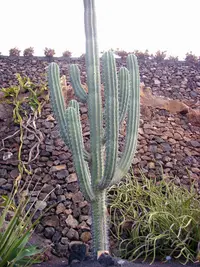
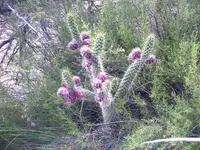
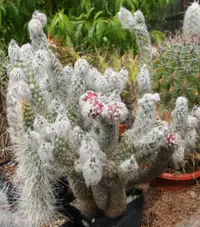
Cane cactus, Austrocylindropuntia cylindrica, is a shrubby, columnar cactus with many upright, pencil-thick stems that form a dense clump over time. The stems are segmented and armed with sharp spines, giving the plant a strong architectural look. This species is native to high, dry regions of the Andes in South America, where it tolerates intense sun, poor soils, and periods of drought. It is generally considered easy to grow for those who provide bright light, fast-draining soil, and careful watering. Its toughness and drought tolerance make it suitable for beginners learning how to care for Cane Cactus, as long as overwatering and frost are avoided.

Main Plant Requirements

Care Difficulty

Easy Care

Light Preference

Full Sun

Water Requirements

Low Water

Temperature Preference

Warm Climate

Hardiness Zone

9–11

Soil Texture

Sandy, Loamy, Rocky

Soil pH

Slightly acidic (6.5–7.0), Neutral (7.0)

Soil Drainage

Well-drained

Fertilization

Minimal (feed rarely)

Get Personalized Care Plan

Scan your plant to receive care tips personalized for your specific plant

Available on iOS and Android

How to Care for the Cane Cactus

This species prefers strong light and thrives with several hours of direct sun daily.

  • Provide 4–6 hours of direct morning or late-afternoon sun, plus bright light for the rest of the day, to keep Cane Cactus stems compact and well-colored.
  • Accepts light partial shade, but stems may stretch and lean toward the window or sun-facing side if light stays below roughly 4 hours of direct sun.
  • In very intense summer sun, especially in hot, dry regions, introduce light filtering or brief shade to prevent stem scorching or pale, sunburned patches.

Watering for this cactus should mimic arid, episodic rainfall rather than frequent small drinks.

  • Let the top 3–5 cm of soil dry completely before watering; in fast-draining, sandy soil this often means longer gaps between soakings.
  • During active growth in warmer months, water deeply until excess drains away, then do not water again until the soil is dry and the stems feel slightly less firm.
  • In cool seasons, reduce watering sharply to prevent root rot; yellowing, soft, or blackened stem bases indicate overwatering, while wrinkling and slight shriveling suggest underwatering for Austrocylindropuntia cylindrica.

This cactus tolerates heat well but is sensitive to prolonged cold and frost.

  • Aim for 70–90°F (21–32°C) during active growth, which supports steady stem elongation and healthy new pads.
  • Short dips to 40–45°F (4–7°C) are usually survivable if the plant is dry, but sustained exposure below 40°F (4°C) greatly increases the risk of tissue damage.
  • Protect from frost and freezing temperatures; in regions with winter lows below 35°F (2°C), provide shelter or move plants to a frost-free, cool-bright spot.

This cactus prefers dry air and rarely suffers from low indoor humidity.

  • Aim for 20–40% relative humidity, similar to arid or heated indoor environments.
  • Dry, firm stems are normal; softening, blackened spots, or musty odor indicate excess humidity and poor airflow.
  • Increase air movement with a small fan and space the Cane Cactus away from tightly packed plants to prevent stagnant, humid pockets.

This species needs a very fast-draining, mineral-based substrate to prevent root and stem rot.

  • Use a gritty cactus mix with 50–70% inorganic materials such as coarse sand, pumice, or perlite and 30–50% lean, low-peat substrate.
  • Aim for slightly acidic to neutral pH around 6.0–7.2, avoiding highly alkaline or strongly acidic mixes that impair nutrient uptake.
  • Improve drainage and aeration by adding extra pumice or crushed lava rock and using larger, irregular particles rather than fine sand alone.
  • Avoid dense, water-retentive potting composts, unamended garden soil, or any mix that stays wet for more than 24 hours around Austrocylindropuntia cylindrica roots.

This species is well suited to container culture, especially in cooler or wetter climates.

  • Choose a heavy terracotta or wide ceramic pot to counterbalance the tall, jointed stems and reduce tipping in windy spots.
  • Select a pot only 2–3 cm wider than the root ball so the mix dries quickly between waterings and does not stay cool and damp.
  • Raise the container on pot feet or a stand so drainage holes stay clear and runoff leaves the pot immediately instead of pooling under it.

This cactus needs light feeding to support steady growth in containers without causing weak, lush tissue.

  • Use a diluted balanced liquid fertilizer (around 10-10-10) at 1/4–1/2 strength during active growth in spring–summer.
  • Feed every 4–6 weeks for Cane Cactus grown in pots; in-ground plants in poor soil may receive 1–2 light feeds per season.
  • Choose products formulated for cacti/succulents or use slow-release granules sparingly, keeping them off the stems.
  • Stop feeding in fall–winter to allow full dormancy and reduce risk of root rot or soft growth.

Pruning is mainly used to control size, improve form, and remove damaged segments on Austrocylindropuntia cylindrica.

  • Carry out pruning in late spring or early summer when growth is active and healing is faster.
  • Remove dead, shriveled, storm-damaged, or crossing stems, cutting back to a healthy joint.
  • Shorten or thin crowded stems to maintain a stable, uncluttered shape and prevent breakage.
  • Use clean, sharp pruners or a knife, wear thick gloves, and let cut surfaces dry in airy conditions.

Container-grown plants benefit from infrequent repotting into slightly larger, fast-draining pots.

  • Repot every 2–3 years, or when roots circle the pot, emerge from drainage holes, or growth noticeably slows.
  • Choose late spring as the best time, when the plant is entering active growth and can re-establish more quickly.
  • Use a gritty cactus mix, handle stems with tongs or folded newspaper, and disturb roots as little as possible.
  • After repotting Austrocylindropuntia cylindrica, keep soil barely moist for 1–2 weeks to limit stress and reduce rot risk.

This species is commonly propagated from stem cuttings, with seeds used less often for home growing.

  • Take 7–15 cm stem cuttings in late spring–summer, using a clean, sharp knife and protective gloves.
  • Allow cut pieces to callus in a dry, bright place for 5–10 days before planting.
  • Set callused cuttings in barely moist, gritty cactus mix and keep in bright, indirect light at 70–80°F.
  • Maintain very light moisture and good air flow until roots form, then gradually increase light for strong growth.

Winter care focuses on keeping roots dry and preventing cold damage to stems, especially in cool, wet climates.

  • This cactus tolerates brief light frosts when dry but is safer above 25–30°F, especially in containers.
  • In cold regions, move potted plants indoors to a bright, cool, very dry spot before hard frost.
  • Outdoors, ensure sharply draining soil and avoid winter watering; wet, cold roots greatly increase rot risk.
  • In marginal climates, use a gravel mulch around the base and a breathable cover during extended freezes.

Care Tips

Stabilize Tall Stems

As stems elongate and become top-heavy, tuck the lower segments into a wider, heavier pot or anchor them with decorative stones around the base to prevent the plant from tipping under its own weight.

Segment Propagation Prep

When taking cuttings, allow the detached segments to dry and callus for 5–10 days in bright, dry air before potting, which greatly reduces rot and increases successful rooting.

Encourage Bushier Clumps

To create a denser, more architectural plant, periodically remove a few of the tallest, most awkward stems and replant the rooted cuttings around the original clump to fill gaps over time.

Safe Handling Routine

Handle stems only with thick gloves or folded newspaper sleeves, and keep a dedicated set of tools for this plant to avoid spreading the tiny, barbed glochids to other pots or surfaces.

Dry Winter Rest

In winter, especially below 60°F, give the plant a pronounced dry rest with only very light sips of water every 4–6 weeks, which supports stronger growth and flowering potential when growing Cane Cactus long term.

Common Pests and Diseases

Cochineal scale

This pest appears as white, cottony patches on stems, often clustered on the ridges and joints of the cylindrical segments. Symptoms include sticky honeydew, sooty mold growth, and gradual yellowing or weakening of the pads.

Solution

Remove visible insects with a strong jet of water or by wiping stems with cotton pads dipped in 70% isopropyl alcohol, then improve light and air circulation. For persistent infestations, use a ready-to-use insecticidal soap or horticultural oil labeled for cacti, repeating every 7–10 days until no new insects appear.

Cactus mealybugs

These insects hide in crevices and around areoles, forming small white, woolly clumps and causing yellowing, shriveling, and slowed growth. This pest often appears on stressed or overfertilized plants grown in warm, sheltered conditions.

Solution

Isolate the plant, then dab visible mealybugs with 70% isopropyl alcohol and gently brush them off. Follow up with 1–2 treatments of insecticidal soap or a light horticultural oil spray, making sure the plant dries quickly and reducing excess nitrogen fertilization to prevent recurrence.

Spider mites

These insects thrive on Austrocylindropuntia cylindrica in hot, dry conditions, causing fine stippling, dull or bronzed stems, and very fine webbing between segments and spines. Symptoms include segment shriveling despite dry, firm roots.

Solution

Rinse the plant thoroughly with lukewarm water, focusing on stem joints and spine clusters, then allow it to dry in bright, airy conditions. Apply insecticidal soap or a miticide labeled for spider mites on succulents, and slightly increase ambient humidity without wetting the soil for long periods.

Stem canker

This disease produces sunken, corky brown or black lesions on the green segments, often starting from small wounds or spine injuries. Symptoms include localized softening or cracking of tissue that may slowly spread along the stem.

Solution

Cut out affected areas with a sterile, sharp blade, removing all discolored tissue, and allow wounds to callus fully in bright, dry conditions before any watering. Improve drainage and avoid overhead watering, and discard severely affected stems to prevent the problem from spreading along the clump.

Fungal stem rot

This disease begins as soft, water-soaked spots on the lower segments, which rapidly turn brown or black and may emit a sour odor. Symptoms include collapsing segments and rapid decline after prolonged wet soil or cold, damp conditions.

Solution

Immediately cut away all soft or discolored portions until only firm, healthy tissue remains, then let the cut surfaces dry and callus for several days. Replant healthy segments in fresh, very fast-draining cactus mix, water sparingly, and keep the plant in a warm, bright, and well-ventilated place to support recovery and reduce the risk of recurrence in Cane Cactus indoor care.

Interesting Facts

Segment detaches easily

This cactus drops whole stem segments when stressed or broken, and these detached pieces can root on the ground and form new plants, which helps it spread rapidly in suitable climates.

Native Andean shrub cactus

It is naturally distributed along high Andean regions of Peru and Ecuador, where it grows as a shrubby cactus in dry, open habitats rather than as a desert dune plant.

Invasive in mild climates

Outside its native range, especially in parts of Australia, New Zealand, and South Africa, it has become an invasive weed, forming dense thickets that displace local vegetation and are controlled by biosecurity programs.
Botan icon

Did you know?

Austrocylindropuntia cylindrica has been used as a host plant for biological control experiments, where specific coevolved insects are introduced to feed on it in regions where the cactus has become invasive, helping to reduce its spread without broad chemical control.

FAQs about Cane Cactus

Lack of flowers usually comes from insufficient light, overly rich soil, or frequent watering that prevents a cool, slightly drier rest period. Mature plants need strong sun, lean soil, and seasonal stress to trigger flowering.

Grow Healthy Plants with Botan Care

Keep your plants happy and healthy with plant identification, disease detection, and easy care guidance.

Botan plant care app — identify plants on mobile

Explore More Plants