Controlled offset removal
Use a clean, sharp knife to remove pups only once they show distinct ribs and roots, then let the cut surfaces dry for 5–7 days before potting to reduce rot risk and maintain a compact, single-headed specimen.

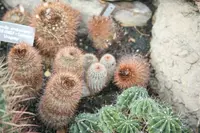
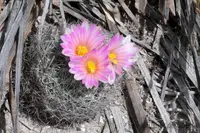
Parodia × erubescens is a small globular cactus, usually forming a single rounded stem that may slowly cluster with age. It shows distinct ribs lined with short, stiff spines. In season it produces bright funnel-shaped flowers near the crown, often yellow to orange-red, which contrast with the green body. This hybrid comes from South American Parodia species native to rocky, sunny habitats. It stays compact, so it suits windowsills and small indoor collections. Thick, water-storing tissues make it quite drought tolerant, but also sensitive to overwatering and poor drainage. Understanding how to care for Parodia × erubescens mainly involves giving strong light, gritty soil, and careful watering.

Care Difficulty
Easy Care

Light Preference
Full Sun

Water Requirements
Low Water

Temperature Preference
Warm Climate

Hardiness Zone
10–11

Soil Texture
Sandy, Loamy, Rocky

Soil pH
Slightly acidic (6.5–7.0), Neutral (7.0)

Soil Drainage
Well-drained

Fertilization
Minimal (feed rarely)
Scan your plant to receive care tips personalized for your specific plant
Available on iOS and Android
This cactus prefers bright conditions that mimic open, high-light habitats without harsh, all-day sun.
Watering should imitate brief desert rains followed by thorough drying.
Stable warmth with a cool, dry winter rest supports healthy growth and flowering.
This cactus prefers dry indoor air and does not need elevated humidity.
Use a very fast-draining, mineral-rich cactus substrate to protect roots from rot.
This species is well suited to container growing when the pot limits moisture retention.
This cactus benefits from light, controlled feeding during its active season to support compact growth and flowering.
This species needs minimal pruning, mainly to maintain health and a clean outline.
Repotting is infrequent but important to prevent root congestion and refresh the growing medium.
Propagation of this hybrid cactus is usually done through offsets rather than seeds, which may not come true.
Winter care focuses on keeping the plant cool, dry, and frost free to support a safe dormancy period.

Plant Health Check
Not sure what's wrong with your plant? Check your plant's health inside the app.
This cactus is a naturally occurring or horticultural hybrid within the Parodia complex from southern Brazil and neighboring regions, showing intermediate features such as its slightly elongated, many-ribbed stems and moderate clustering habit that differ from its presumed parent species.
Mature plants often develop dense radial spines that age from pale yellow to coppery or reddish tones, creating a distinct color contrast against the green stem, especially in strong light.
It produces relatively large, satiny yellow to orange-yellow funnel-shaped flowers near the stem apex, which are considered abundant and long-lasting compared with many similar-sized Parodia species.
This cactus has a slow growth rate, often adding only a few millimeters to 1 cm in diameter per year. Growth is quickest in warm, bright months and slows markedly during winter rest.
Keep your plants happy and healthy with plant identification, disease detection, and easy care guidance.